

Natural Alternatives to Ozempic: What Works and What Doesn’t
Understanding Ozempic and Why People Seek AlternativesOzempic is a prescription medication primarily used to manage type 2 diabetes and support weight loss. It works by [...]
Read More
Medically reviewed by Alan Lucks | MD, Alan Lucks MDPC Private Practice - New York on February 14th, 2026. Updated on April 30th, 2026
Explore effective natural options for blood sugar control and weight management.
Understand which lifestyle changes and supplements have scientific backing.
Learn why some popular natural remedies fall short compared to Ozempic.
Discover how telehealth services like Doctronic.ai can support your health journey safely and conveniently.
Ozempic is a prescription medication primarily used to manage type 2 diabetes and support weight loss. It works by mimicking a hormone called GLP-1 that helps regulate blood sugar levels and appetite. While effective, it requires a prescription and can have side effects that some people want to avoid. Common side effects may include nausea, vomiting, and gastrointestinal discomfort, which can be particularly concerning for those who are already managing multiple health issues. The cost of Ozempic can be prohibitive for some patients, especially if they lack insurance coverage that includes this medication.
Because of these factors, many look for natural alternatives to Ozempic that might offer similar benefits without the need for medication. These alternatives can range from dietary changes to herbal supplements and lifestyle modifications. For instance, incorporating fiber-rich foods such as whole grains, fruits, and vegetables can help stabilize blood sugar levels and promote a feeling of fullness, potentially aiding weight management. It’s important to know what actually works and what does not, especially when managing complex conditions like diabetes or obesity. Consulting with healthcare professionals before making significant changes to one’s diet or treatment plan is crucial, as they can provide tailored advice based on individual health needs and conditions.
In addition to dietary adjustments, some individuals explore the benefits of physical activity as a natural way to enhance their health. Regular exercise not only helps in weight loss but also improves insulin sensitivity, which is vital for those with type 2 diabetes. Activities such as walking, swimming, or strength training can be effective and enjoyable ways to incorporate movement into daily routines. Mindfulness practices, including yoga and meditation, have gained popularity for their potential to reduce stress, which can also impact blood sugar levels. By taking a holistic approach that combines nutrition, exercise, and mental well-being, individuals may find effective ways to manage their health without relying solely on medications like Ozempic.
One of the most powerful natural approaches is improving your diet. Consuming whole, unprocessed foods rich in fiber, lean proteins, and healthy fats can help stabilize blood sugar and reduce cravings. This shift not only supports blood sugar levels but also contributes to overall health and well-being.
Low Glycemic Index Foods: Foods like legumes, nuts, and non-starchy vegetables release sugar slowly, preventing spikes in blood glucose. Incorporating these foods into your meals can lead to more sustained energy levels throughout the day.
Balanced Macronutrients: Combining protein and healthy fats with carbohydrates slows digestion and keeps you full longer. This balance can help prevent the sudden hunger pangs that often lead to unhealthy snacking.
Portion Control: Managing portion sizes helps reduce calorie intake, aiding weight loss. Utilizing smaller plates or measuring portions can be effective strategies to help you stay mindful of your eating habits.
In addition to these dietary changes, incorporating a variety of colorful fruits and vegetables can provide essential vitamins and minerals that support metabolic health. Foods rich in antioxidants, such as berries and leafy greens, can help combat oxidative stress, which is often linked to insulin resistance. Staying hydrated is crucial; drinking plenty of water can help regulate appetite and support metabolic processes.
Exercise enhances insulin sensitivity, meaning your body uses blood sugar more effectively. Both aerobic exercises, like walking or cycling, and resistance training are beneficial. Engaging in regular physical activity not only helps with weight management but also boosts your mood and energy levels.
Even moderate activity, such as 30 minutes of brisk walking most days of the week, can improve blood sugar control and support weight loss efforts. Incorporating activities you enjoy, whether it’s dancing, swimming, or hiking, can make it easier to stick to a routine. Strength training exercises, such as lifting weights or using resistance bands, can help build muscle mass, which in turn increases your resting metabolic rate and aids in burning more calories throughout the day.
Poor sleep and chronic stress can disrupt hormones that regulate appetite and blood sugar. Prioritizing quality sleep and using stress reduction techniques like meditation or deep breathing can have a positive impact. Establishing a calming bedtime routine, such as reading or practicing gentle yoga, can enhance sleep quality and duration.
Chronic stress can lead to unhealthy coping mechanisms, such as emotional eating or increased cravings for sugary foods. Implementing mindfulness practices, such as journaling or spending time in nature, can help mitigate stress levels. Engaging in social activities and nurturing relationships can also provide emotional support, which is vital for maintaining a balanced lifestyle and managing stress effectively.
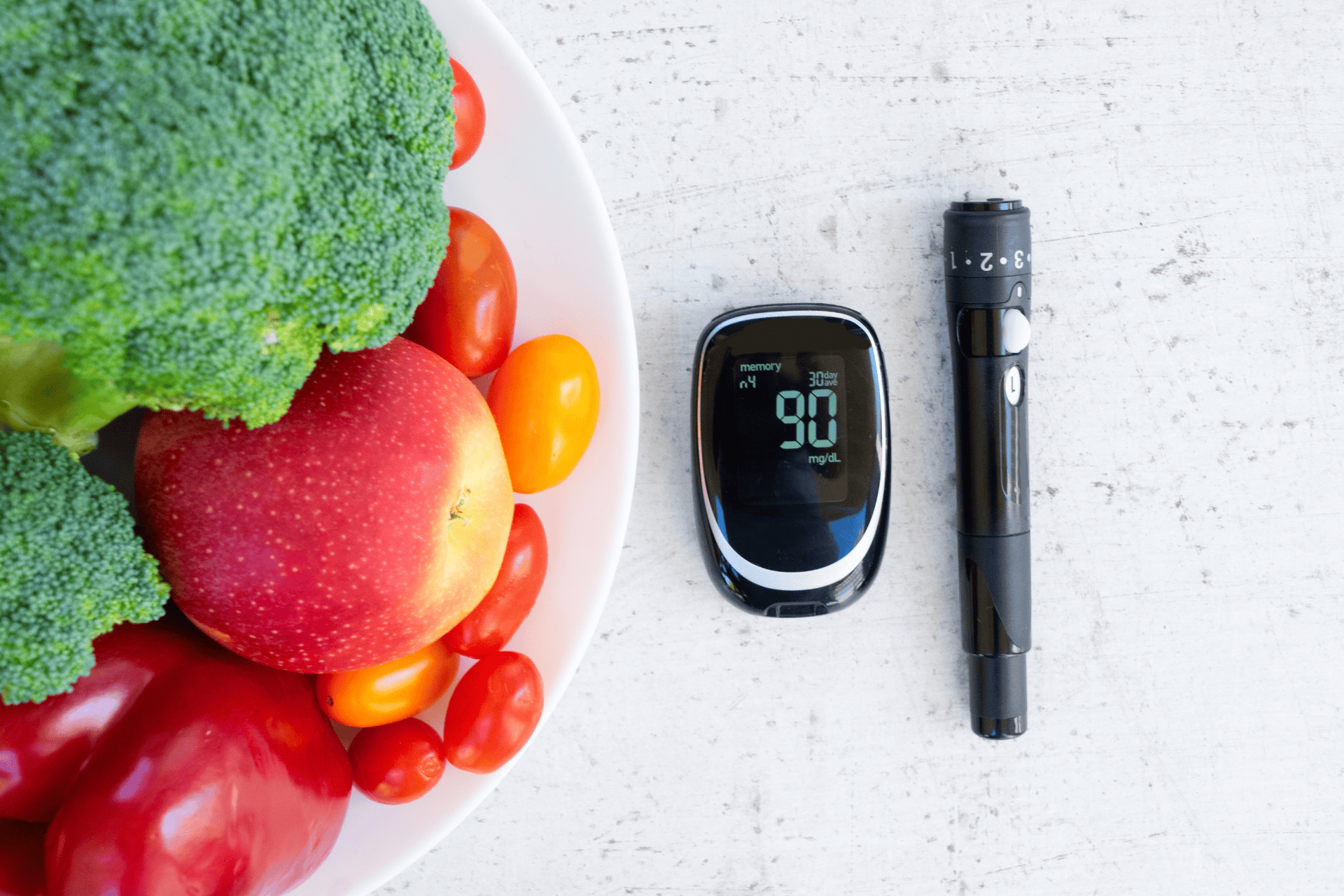 Supplements and Natural Compounds: What Science Says
Chromium is a mineral that some studies suggest may improve insulin sensitivity, but results are mixed, and benefits tend to be modest. Cinnamon has also been touted for blood sugar control, but research shows inconsistent effects, often depending on the dose and cinnamon type.
Berberine, a compound found in several plants, has gained attention for its ability to lower blood sugar and improve metabolism. Clinical studies indicate it can be as effective as some diabetes drugs in certain cases. It may interact with medications, so consulting a healthcare provider is important.
Soluble fiber supplements like psyllium can help slow glucose absorption and improve satiety. They are generally safe and can complement dietary fiber intake, but they don’t replace the benefits of a fiber-rich diet.
Detox diets promise quick weight loss and blood sugar improvements, but they lack scientific support and can be harmful if overly restrictive. The body naturally detoxifies through the liver and kidneys, so these diets are unnecessary and often unsustainable.
Many herbal teas claim to lower blood sugar or boost metabolism, but most have little clinical evidence backing their effectiveness. Relying solely on these can delay proper treatment and lead to poor health outcomes.
While intermittent fasting can benefit some people, extreme fasting or crash diets often cause muscle loss, nutrient deficiencies, and rebound weight gain. Sustainable lifestyle changes are more effective long-term.
Managing blood sugar and weight involves many variables. Telehealth platforms like Doctronic.ai provide 24/7 access to licensed doctors who can help interpret your symptoms, review your treatment options, and offer personalized advice.
Doctronic’s AI-powered system synthesizes the latest medical research to answer questions quickly and accurately. It remembers your health history and provides tailored recommendations, making it easier to explore natural alternatives safely alongside medical treatments.
Natural alternatives to Ozempic can support your health when chosen wisely and combined with professional guidance. Lifestyle changes like diet and exercise remain the cornerstone of blood sugar and weight management. Some supplements have promising evidence but should be used cautiously.
Always consult with a healthcare provider before starting or stopping any medication or supplement. Doctronic.ai offers convenient, affordable telehealth visits to help you make informed decisions and get the care you need.
Natural alternatives can support blood sugar and weight control, but may not fully replace Ozempic, especially for people with advanced diabetes. Medication decisions should be made with a healthcare provider.
Yes, supplements can interact with medications and cause side effects. It is important to discuss any supplement use with your doctor.
Telehealth services like Doctronic.ai offer video visits with licensed doctors 24/7, allowing you to get professional advice from home at an affordable price.
Exercise improves insulin sensitivity and overall health, so it is recommended alongside any medication unless contraindicated by your doctor.
A diet rich in whole foods, fiber, lean protein, and healthy fats, with controlled carbohydrate intake, is generally best for managing blood sugar.
Natural alternatives to Ozempic can support blood sugar control and weight management, especially through diet, exercise, sleep, and stress reduction, but they rarely match prescription effectiveness. Supplements may help modestly and require caution. For safe, personalized guidance, consult a healthcare professional or use telehealth services like Doctronic.ai.
Understanding Ozempic and Why People Seek AlternativesOzempic is a prescription medication primarily used to manage type 2 diabetes and support weight loss. It works by [...]
Read More
Join 50,000+ readers using Doctronic to understand symptoms, medications,
and next steps.
Add your phone number below to get health updates and exclusive VIP offers.
By providing your phone number, you agree to receive SMS updates from Company. Message and data rates may apply. Reply “STOP” to opt-out anytime. Read our Privacy Policy and Terms of Service for more details.
Save your consults. Talk with licensed doctors and manage your health history.
