
Mirena Dosage Guide: How Much to Take and When (With Chart)

Medically reviewed by Alan Lucks | MD, Alan Lucks MDPC Private Practice - New York on January 4th, 2026.
Published on January 1st, 2026. Updated on July 23rd, 2026.
Key takeaways
Mirena is a hormonal intrauterine device (IUD) used primarily for long-term birth control and managing heavy menstrual bleeding.
Dosage is not measured in pills or injections but by the device’s hormone release rate and duration of use.
Mirena releases levonorgestrel at a decreasing rate over five years, providing continuous contraception and symptom relief.
Insertion and removal must be performed by a healthcare professional, with follow-up to ensure proper placement.
Consulting with a healthcare provider or using Doctronic.ai can help personalize guidance and address any concerns about Mirena usage.
Understanding Mirena Uses and Dosages
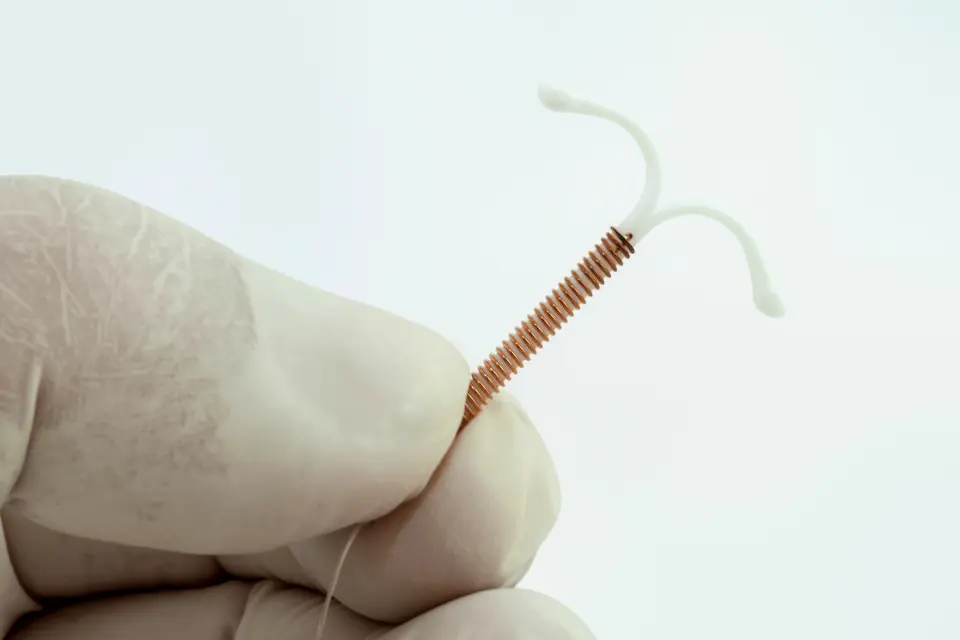
Mirena is not a traditional medication taken by mouth or injection. Instead, it is a small, T-shaped intrauterine device (IUD) that releases the hormone levonorgestrel directly into the uterus. Because Mirena delivers hormones locally, its dosage is measured by a daily hormone release rate, not by milligrams taken each day.
Mirena is approved for up to five years of use and serves two primary purposes: long-term contraception and treatment of heavy menstrual bleeding. After insertion, Mirena releases a higher initial amount of levonorgestrel, which gradually decreases over time while maintaining effectiveness and reducing the likelihood of side effects.
In addition to birth control, Mirena offers critical therapeutic benefits. It has been shown to reduce heavy periods, often leading to lighter bleeding or no periods at all. It can lower the risk of endometrial hyperplasia, a condition involving abnormal thickening of the uterine lining. These benefits can significantly improve the quality of life for many users.
One of Mirena’s key advantages is convenience. Once inserted, it requires minimal maintenance, eliminating the need for daily pills or frequent injections. Regular follow-up visits with a healthcare provider are still recommended to ensure proper placement and ongoing effectiveness.
How Mirena Delivers Its Hormone
The device initially releases levonorgestrel at approximately 20 micrograms per day. This rate slowly declines to about 10 micrograms per day by the end of five years. This slow, localized hormone release reduces systemic exposure compared to oral contraceptives, leading to fewer side effects.
Because the hormone is delivered directly where it’s needed, Mirena provides reliable contraception and can significantly reduce menstrual bleeding and cramps for many users. The localized action of levonorgestrel not only helps in managing menstrual symptoms but also contributes to a more stable hormonal environment within the uterus, which can be particularly beneficial for women who experience hormonal fluctuations. This stability can lead to a more predictable menstrual cycle, enhancing the quality of life for many individuals.
The insertion of Mirena is a relatively quick procedure that can be performed in a healthcare provider's office. Many women appreciate the convenience of having a long-term contraceptive option that requires minimal maintenance. Once inserted, there is no need to remember daily pills or frequent visits for injections, allowing users to focus on their daily lives without the constant reminder of birth control. Additionally, Mirena can be removed at any time, allowing for a quick return to fertility, which is an appealing feature for those who may want to conceive in the future.
Mirena Dosage Chart
Form |
Hormone Released |
Initial Release Rate |
Duration |
Typical Use |
Route |
|---|---|---|---|---|---|
Intrauterine Device (IUD) |
Levonorgestrel |
20 mcg/day |
Up to 5 years |
Contraception, heavy menstrual bleeding |
Intrauterine |
Mirena Usage by Condition
Contraception
Mirena is highly effective as a contraceptive, with a failure rate of less than 1% when properly inserted. The hormone released thickens cervical mucus to prevent sperm from reaching the egg and thins the uterine lining to prevent implantation.
Users receive a consistent hormone dose over five years, after which the device should be replaced or removed.
Heavy Menstrual Bleeding
For those experiencing heavy menstrual bleeding, Mirena provides relief by reducing the thickness of the uterine lining. The hormone dose remains the same, but the therapeutic effect can be seen within a few months after insertion.
Many users report lighter periods or complete cessation of menstruation during use.
What to Expect During Mirena Insertion and Removal
Mirena must be inserted and removed by a trained healthcare professional. The procedure typically takes only a few minutes and can be done during a regular office visit.
Insertion involves placing the device inside the uterus through the cervix. Some users may experience cramping or spotting afterward, which usually resolves quickly.
Removal is straightforward and involves gently pulling the device’s strings. After removal, fertility typically returns quickly.
Follow-Up Care
After insertion, a follow-up appointment is recommended within a few weeks to confirm the device is correctly positioned. If you experience severe pain, heavy bleeding, or signs of infection, contact your healthcare provider immediately.
Learn More About Mirena Dosage With Doctronic
Because Mirena’s dosage is fixed by the device and hormone release rate, adjusting the dose isn’t possible. However, if you experience side effects or have concerns about how Mirena is working for you, professional guidance is essential.
Doctronic.ai offers quick access to licensed doctors who can answer your questions, evaluate your symptoms, and help decide whether Mirena is the right option or if alternatives should be considered.
Mirena and Special Considerations
Use in Adolescents and Women Who Have Not Given Birth
Mirena is approved for use in adolescents and women who have never given birth. While insertion may be more challenging in these groups, it remains safe and effective.
Medical Conditions Affecting Mirena Use
Certain conditions may influence whether Mirena is appropriate, including active pelvic infections, unexplained vaginal bleeding, or certain cancers. Always discuss your medical history with a healthcare provider before choosing Mirena.

Frequently Asked Questions
No. The hormone release rate is built into the device and decreases naturally over time. It cannot be adjusted or controlled by the user.
Mirena is effective for up to five years. After that, it should be removed or replaced to maintain contraceptive protection.
Though rare, the device can be expelled. If you suspect this, use backup contraception and contact your healthcare provider immediately.
Yes. Fertility typically returns quickly after removal, and pregnancy can occur as soon as the next menstrual cycle.
Services like Doctronic.ai provide AI-powered and doctor-supported telehealth consultations to help answer your questions and guide you on Mirena and other contraceptive options.
References
The Bottom Line
Mirena offers a unique, long-term approach to contraception and managing heavy menstrual bleeding through continuous hormone release. Understanding how its dosage works helps set realistic expectations for its effects and duration.
Because it requires professional insertion and removal, and because individual responses vary, consulting with healthcare providers is crucial. Doctronic.ai makes it easier than ever to get expert advice quickly, ensuring you receive the most personalized and up-to-date care.
Related articles
Get Mirena dosing guidance
Chat Now