
Metformin vs Ozempic: Key Differences Explained

Medically reviewed by Alan Lucks | MD, Alan Lucks MDPC Private Practice - New York on February 14th, 2026.
Published on January 27th, 2026. Updated on July 23rd, 2026.
Key takeaways
Metformin and Ozempic are medications used primarily to manage type 2 diabetes, but they work in different ways.
Metformin is typically the first-line treatment, focusing on insulin sensitivity and glucose production.
Ozempic, an injectable drug, helps regulate blood sugar by mimicking a natural hormone and can also aid in weight loss.
Both medications have distinct side effect profiles and dosing schedules that affect patient experience.
Choosing between them depends on individual health needs, treatment goals, and doctor recommendations.
Telehealth services like Doctronic.ai offer convenient access to medical advice and prescriptions for these medications.
Questions about diabetes medications?
Free. Anonymous. Built by doctors.
This article covers general information. Ask Doctronic about your symptoms, medications, side effects, or treatment options.
Understanding Metformin and Ozempic: What They Are and How They Work
When managing type 2 diabetes, two names often come up: Metformin and Ozempic. Both help control blood sugar, but they do so through very different mechanisms.
What is Metformin?
Metformin has been a cornerstone in diabetes treatment for decades. It works mainly by reducing glucose production in the liver and improving how the body responds to insulin. This helps lower blood sugar levels without causing the pancreas to produce more insulin.
Doctors often prescribe Metformin as the first medication after a diabetes diagnosis because of its effectiveness, safety profile, and affordability. It is taken orally, usually in pill form, making it easy to incorporate into daily routines. Metformin has been associated with various cardiovascular benefits, which are particularly important for individuals with diabetes, as they are at a higher risk for heart disease. Some studies suggest that Metformin may also have a role in weight management, as it can help reduce appetite and promote a healthier metabolic profile.
What is Ozempic?
Ozempic is a medication that belongs to a class called GLP-1 receptor agonists. It mimics a hormone called glucagon-like peptide-1, which helps the body release insulin when blood sugar rises. It also slows stomach emptying, which can reduce appetite and promote weight loss.
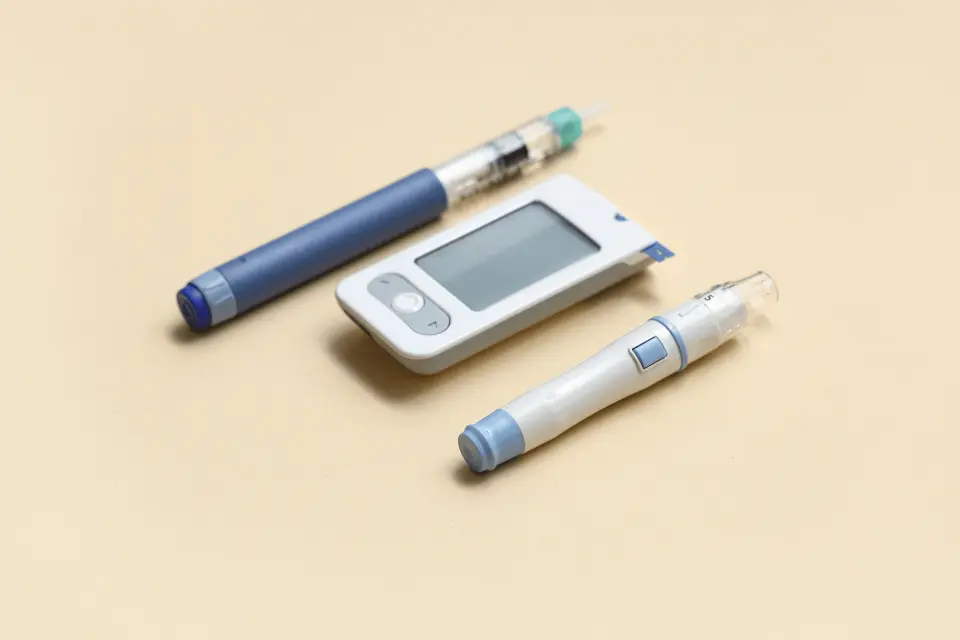
Unlike Metformin, Ozempic is administered as a once-weekly injection. It is often prescribed for patients who need additional blood sugar control or who could benefit from weight management alongside diabetes care. The convenience of a weekly injection can be appealing for many patients, as it reduces the daily burden of medication adherence. Ozempic has shown promising results in clinical trials, not only improving glycemic control but also leading to significant weight loss in many participants, making it an attractive option for those struggling with obesity as part of their diabetes management strategy. This dual benefit of blood sugar control and weight loss can enhance overall health outcomes for individuals with type 2 diabetes.
Comparing Effectiveness and Uses
Blood Sugar Control
Both Metformin and Ozempic effectively lower blood sugar, but they do it differently. Metformin targets insulin resistance and liver glucose output, making it great for early-stage type 2 diabetes.
Ozempic, on the other hand, enhances insulin secretion in response to meals and reduces glucagon, a hormone that raises blood sugar. This makes it particularly useful for patients who struggle to keep their blood sugar in range despite other treatments. Ozempic's ability to slow gastric emptying helps prevent a rapid rise in blood sugar after meals, which can benefit overall glycemic control.
Weight Management Benefits
Weight control is a significant factor in diabetes management. Metformin may cause mild weight loss or be weight neutral, but it is not primarily used for this purpose.
Ozempic stands out here because it often leads to noticeable weight loss. This effect is due to its appetite-suppressing properties and slower digestion. For many patients, this dual benefit makes Ozempic an attractive option. The weight loss associated with Ozempic can lead to improved metabolic health, reducing the risk of complications such as cardiovascular disease, which is a common concern for those with diabetes.
Other Medical Uses
Metformin is also used off-label for conditions like polycystic ovary syndrome (PCOS) and prediabetes. Its long history means doctors understand its broad applications well.
Ozempic is mainly approved for type 2 diabetes, but similar drugs in its class are being used for obesity treatment even in people without diabetes. This growing interest highlights the potential of GLP-1 receptor agonists, like Ozempic, in addressing the obesity epidemic, which is closely linked to metabolic disorders. Ongoing research is exploring the cardiovascular benefits of Ozempic, suggesting that it may play a role in reducing the risk of heart disease, a significant concern for many patients with type 2 diabetes.
Get Metformin online today
A licensed doctor can review your symptoms and, if appropriate, send a prescription for Metformin to your pharmacy, often the same day.
- $39 video visit
- Insurance accepted
- 4.8 on Trustpilot
Related medications we prescribe
- Glucophage metformin
- Jardiance empagliflozin
- Ozempic semaglutide
- Januvia sitagliptin
- Byetta exenatide
- Amaryl glimepiride
- Metaglip glipizide-metformin
- Jentadueto linagliptin-metformin
- Invokamet canagliflozin-metformin
- Oseni alogliptin-pioglitazone
- Starlix nateglinide
- Kazano alogliptin-metformin
- Glyxambi empagliflozin-linagliptin
- Glyset miglitol
- Victoza liraglutide
- Tanzeum albiglutide
- Symlin pramlintide
- Steglatro ertugliflozin
- Orinase tolbutamide
- Adlyxin lixisenatide
- Farxiga dapagliflozin
- Duetact pioglitazone-glimepiride
- Avandia rosiglitazone
- Glucovance glyburide-metformin
- Synjardy empagliflozin-metformin
- Kombiglyze Xr saxagliptin-metformin
- Fortamet metformin extended-release
- Xigduo Xr dapagliflozin-metformin
- Brenzavvy bexagliflozin
- Janumet sitagliptin-metformin
- Glucotrol glipizide er
- Actoplus Met pioglitazone-metformin
- Actos pioglitazone
- Qtern dapagliflozin-saxagliptin
- Nesina alogliptin
- Tolinase tolazamide
- Trulicity dulaglutide
- Mounjaro tirzepatide 10mg
- Bydureon exenatide er
- Humalog Injector
- Invokana canagliflozin
- Humalog U
- Lantus U
- Glyburide glibenclamide
- Pioglitazone
- Empagliflozin
- Novolin N U insulin nph
- Novolin R U insulin regular
- Metformin
- Glipizide
- Tresiba U insulin degludec
- Glimepiride
- Omnipod G5 insulin delivery system with cgm integration
- Mounjaro Injector
- Ozempic Injector
- Rybelsus semaglutide
- Trulicity Injector
 Side Effects and Considerations
Common Side Effects of Metformin
Gastrointestinal issues such as nausea, diarrhea, and stomach upset are common but often improve over time.
Rarely, it can cause a serious condition called lactic acidosis, especially in patients with kidney problems.
Metformin is generally well-tolerated and safe for long-term use under medical supervision.
Common Side Effects of Ozempic
Nausea and vomiting are the most reported side effects, particularly when starting treatment.
Some patients experience headaches, dizziness, fatigue, diarrhea or constipation.
There is a small risk of pancreatitis, so patients are monitored closely.
Because it is an injectable, some may find the administration method less convenient.
Who Should Avoid These Medications?
Metformin is not recommended for people with severe kidney or liver disease. Ozempic should be avoided by those with a personal or family history of certain thyroid cancers or pancreatitis.
Always consult a healthcare professional before starting or switching medications. Telehealth platforms like Doctronic.ai can connect you with licensed doctors who provide personalized guidance and prescriptions without the need for in-person visits.
How to Choose Between Metformin and Ozempic
Factors to Consider
Stage of Diabetes: Metformin is often the first step, while Ozempic may be added if blood sugar remains high.
Weight Goals: If weight loss is a priority, Ozempic may be more beneficial.
Side Effect Tolerance: Some patients tolerate Metformin’s GI symptoms better than injectable side effects, or vice versa.
Convenience: Oral pills versus weekly injections can influence patient preference.
Cost and Insurance: Metformin is generally less expensive, while Ozempic may have higher out-of-pocket costs.
The Role of Telehealth in Diabetes Care
Managing diabetes requires ongoing monitoring and adjustments. Telehealth services like Doctronic.ai offer a convenient way to discuss symptoms, review lab results, and adjust medications without leaving home.
Doctronic combines AI-driven medical knowledge with access to licensed doctors, providing quick answers and personalized care. This approach can make managing complex conditions like diabetes easier and more accessible.
Choosing the Right Treatment for You
Both Metformin and Ozempic have valuable roles in managing type 2 diabetes. Understanding how they work, their benefits, and potential side effects can help you make informed decisions with your healthcare provider.
Access to expert advice is easier than ever with telehealth options like Doctronic.ai, where AI-powered tools and real doctors work together to provide personalized care. Whether you are starting treatment or considering a change, professional guidance is just a click away.
Frequently Asked Questions
Yes, many patients use both medications to achieve better blood sugar control. A doctor will determine the best combination based on individual health needs.
Ozempic typically leads to more significant weight loss compared to Metformin.
Ozempic has been approved for long-term use in type 2 diabetes, but ongoing monitoring is important to watch for side effects.
Metformin begins to lower blood sugar within days, but full effects may take a few weeks.
Yes, Doctronic.ai provides telehealth consultations where licensed doctors can prescribe Metformin or Ozempic when appropriate.
The Bottom Line
Metformin and Ozempic both effectively manage type 2 diabetes, but serve different needs. Metformin is a first-line, affordable oral option, while Ozempic offers added weight loss benefits through weekly injections. The best choice depends on your health goals, tolerance, and budget, with guidance from a provider or telehealth services like Doctronic.ai.
Related articles
Compare your treatment options
Chat Now