
Magnesium L-Threonate and Hair Loss: Is There a Link?

Medically reviewed by Alan Lucks | MD, Alan Lucks MDPC Private Practice - New York on January 5th, 2026.
Published on December 31st, 2025. Updated on July 23rd, 2026.
Key takeaways
Magnesium L-Threonate is a unique form of magnesium known for its brain health benefits, but its impact on hair health remains unclear.
Hair loss can be influenced by multiple factors, including nutrition, stress, genetics, and underlying medical conditions.
There is limited scientific evidence directly connecting Magnesium L-Threonate supplementation to hair loss or hair growth.
Consulting with healthcare professionals, such as through telehealth services like Doctronic.ai, can help identify causes of hair loss and appropriate treatments.
Maintaining balanced magnesium levels is important for overall health, but excessive supplementation may have side effects.
Understanding Magnesium L-Threonate and Its Uses
Magnesium L-Threonate is a specialized form of magnesium that has gained attention primarily for its potential to improve cognitive function. Unlike other magnesium supplements, it is designed to cross the blood-brain barrier more effectively, supporting brain health and memory. This unique property sets it apart from common magnesium forms like magnesium oxide or citrate. Research suggests that Magnesium L-Threonate may enhance synaptic plasticity, which is crucial for learning and memory retention, making it a promising candidate for those looking to boost their cognitive abilities.
People often take Magnesium L-Threonate to address issues like age-related cognitive decline, stress, and sleep disturbances. However, its influence on other areas of health, such as hair growth or hair loss, is less well studied. Some anecdotal evidence suggests that adequate magnesium levels may contribute to healthier hair by improving blood circulation to the scalp and supporting the overall health of hair follicles. This potential link between magnesium and hair vitality highlights the need for further research in this area.
Magnesium’s Role in the Body
Magnesium is an essential mineral involved in over 300 biochemical reactions in the body. It supports muscle and nerve function, regulates blood sugar levels, and helps maintain normal blood pressure. Magnesium is also important for protein synthesis, which is vital for hair follicle health. Magnesium plays a role in the production of neurotransmitters, which can influence mood and cognitive function. This multifaceted mineral is crucial not only for physical health but also for mental well-being, making it a key player in maintaining a balanced lifestyle.
While magnesium deficiency can cause symptoms like muscle cramps, fatigue, and irritability, its direct link to hair loss is complex and not fully understood. Some studies suggest that low magnesium levels may increase stress and inflammation, both of which can negatively impact hair growth. Magnesium is known to help regulate hormones, including those that affect hair growth cycles. Therefore, ensuring adequate magnesium intake through diet or supplementation could be beneficial for those experiencing hair thinning or loss, although more research is needed to establish definitive connections.
Exploring the Connection Between Magnesium and Hair Loss
Hair loss, medically known as alopecia, can result from various causes, including genetics, hormonal imbalances, nutritional deficiencies, and stress. Magnesium deficiency may contribute indirectly to hair loss by affecting overall health and stress response, but it is rarely the sole cause. The intricate relationship between various nutrients and hair health highlights the importance of a balanced diet, as hair follicles are particularly sensitive to nutritional changes. For instance, deficiencies in vitamins such as biotin, zinc, and iron can also exacerbate hair thinning, making it crucial to consider a holistic approach to hair care.
Could Magnesium L-Threonate Affect Hair Health?
There is no strong scientific evidence that Magnesium L-Threonate specifically causes hair loss or promotes hair growth. Most research on this supplement focuses on brain function rather than dermatological effects. However, magnesium in general supports healthy hair by contributing to protein synthesis and helping reduce inflammation. If magnesium levels are low, correcting this deficiency might improve hair quality and reduce shedding. Magnesium plays a vital role in the regulation of calcium levels in the body, which is essential for maintaining healthy hair follicles. The balance of these minerals can influence hair strength and resilience, suggesting that a well-rounded intake of magnesium could be beneficial for those experiencing hair issues.
Potential Risks of Excess Magnesium
Taking too much magnesium, regardless of the form, can lead to side effects such as diarrhea, nausea, and abdominal cramping. While these symptoms do not directly cause hair loss, they can affect overall well-being and nutrient absorption, indirectly influencing hair health. Excessive magnesium can interfere with the absorption of other essential nutrients, such as calcium and potassium, which are also crucial for maintaining healthy hair. It is important for individuals considering magnesium supplementation to consult healthcare professionals to determine appropriate dosages and to monitor their overall nutrient intake, ensuring a balanced approach to supplementation that supports not just hair health but overall bodily function.
 Other Factors That Influence Hair Loss
When considering hair loss, it is important to look beyond magnesium supplementation. Several key factors play a role in hair health:
Genetics and Hormones
Androgenetic alopecia, or pattern hair loss, is the most common cause of hair thinning and baldness. It is largely influenced by genetics and hormonal changes, particularly dihydrotestosterone (DHT) levels.
Nutritional Deficiencies
Deficiencies in iron, vitamin D, zinc, and biotin are more commonly linked to hair loss than magnesium alone. A balanced diet rich in these nutrients supports healthy hair growth.
Stress and Medical Conditions
Physical or emotional stress can trigger telogen effluvium, a temporary form of hair shedding. Conditions such as thyroid disorders and autoimmune diseases can also cause hair loss.
Get Magnesium online today
A licensed doctor can review your symptoms and, if appropriate, send a prescription for Magnesium to your pharmacy, often the same day.
- $39 video visit
- Insurance accepted
- 4.8 on Trustpilot
Related medications we prescribe
- Magnesium magnesium (elemental)
- Magnesium Glycinate magnesium glycinate
- Magnesium Citrate magnesium citrate
How to Address Hair Loss Safely and Effectively
Identifying the root cause of hair loss is crucial for effective treatment. Self-diagnosing or assuming a single supplement is responsible can delay proper care.
Consulting Healthcare Professionals
If you notice unexplained or persistent hair loss, it is wise to consult a healthcare provider. Telehealth platforms like Doctronic.ai offer convenient access to medical professionals who can evaluate your symptoms, review your medical history, and recommend appropriate tests or treatments.
Diagnostic Steps
Blood tests to check for nutritional deficiencies, thyroid function, and hormone levels
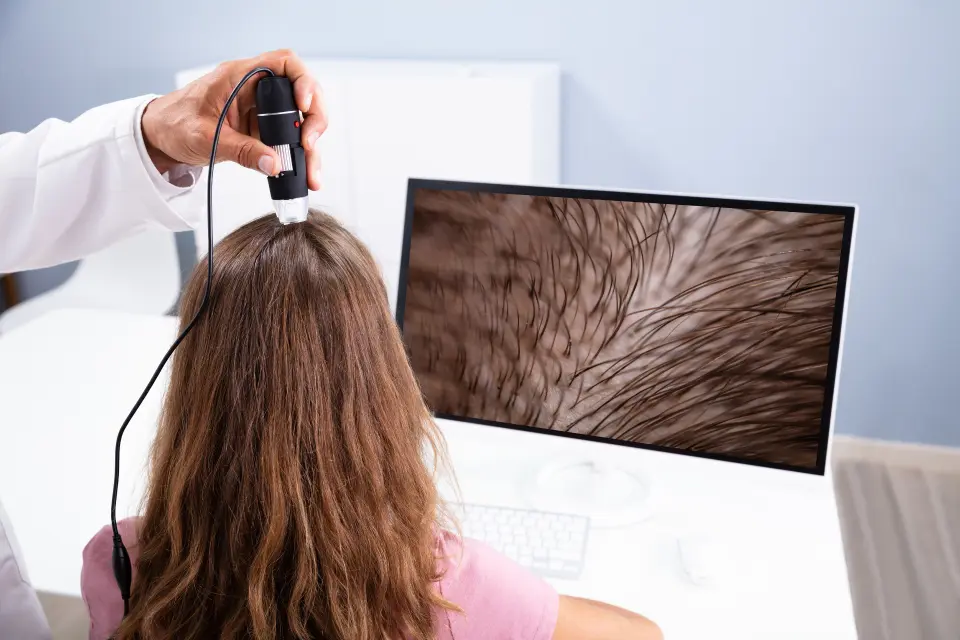
Scalp examination to assess hair follicle health
Review of medications and supplements that might affect hair growth
Treatment Options
Treatment depends on the underlying cause. Options may include nutritional supplementation, prescription medications, lifestyle changes, or specialized hair care routines. Avoiding excessive or unregulated supplement use is important to prevent side effects.
Magnesium L-Threonate in Your Wellness Routine
Magnesium L-Threonate can be a valuable addition for those seeking cognitive support, but it should be used thoughtfully. If hair loss is a concern, focus on a comprehensive approach that includes balanced nutrition, stress management, and professional guidance.
Before starting any new supplement, including Magnesium L-Threonate, discussing it with a healthcare provider ensures it fits your health needs and does not interact with other medications or conditions.
Frequently Asked Questions
There is no strong evidence that Magnesium L-Threonate causes hair loss. Hair loss is usually due to multiple factors, and magnesium supplementation is unlikely to be a direct cause.
Magnesium deficiency can affect overall health and potentially contribute to hair problems, but it is not a common or primary cause of hair loss.
If you experience hair loss after starting any supplement, consult a healthcare provider to evaluate the cause before stopping or changing your regimen.
Telehealth services like Doctronic.ai provide easy access to medical professionals who can assess your symptoms and recommend next steps remotely.
Supplements containing biotin, iron, zinc, and vitamin D are commonly used for hair health, but it is best to confirm deficiencies with a healthcare provider before starting any new supplement.
The Bottom Line
There’s no strong evidence that Magnesium L-Threonate causes or prevents hair loss. Because hair thinning is usually driven by factors like hormones, nutrition, stress, or underlying medical conditions, identifying the true cause is essential. If you’re noticing unexplained hair loss, Doctronic.ai can connect you with licensed clinicians for quick, personalized guidance so you can get the right answers and treatment plan.
Related articles
Get hair loss advice
Chat Now