

IUD Removal: What Happens During the Procedure
What Is an IUD and Why Remove It?An intrauterine device, or IUD, is a small, T-shaped contraceptive placed inside the uterus to prevent pregnancy. It is one of the most [...]
Read More
Medically reviewed by Alan Lucks | MD , Alan Lucks MDPC Private Practice - New York on December 2nd, 2025. Updated on April 30th, 2026
The procedure takes just 2-5 minutes in a clinic setting, with your provider using sterile forceps to gently pull the IUD out by its strings—no anesthesia is typically needed.
Cramping intensity peaks during the actual removal and subsides within minutes, followed by light spotting for 1-2 days that's usually lighter than a normal period.
Missing or shortened strings occur in about 5% of cases, requiring ultrasound imaging and potentially hysteroscopic removal under local anesthesia in an outpatient surgical suite.
Fertility returns immediately after removal regardless of how long the device was in place—ovulation can occur within days, so use backup contraception if pregnancy isn't desired.
Taking 600-800mg of ibuprofen 30-60 minutes before your appointment significantly reduces cramping, and scheduling during your period makes removal easier due to a softer, more open cervix.
An intrauterine device, or IUD, is a small, T-shaped contraceptive placed inside the uterus to prevent pregnancy. It is one of the most effective forms of birth control, lasting anywhere from 3 to 12 years, depending on the type. Women choose to remove their IUD for various reasons, including the desire to conceive, experiencing side effects, or reaching the device’s expiration date.
Removal is necessary to avoid complications and to switch to another form of contraception if desired. While the procedure is simple, knowing what happens during IUD removal can help reduce any worries you might have.
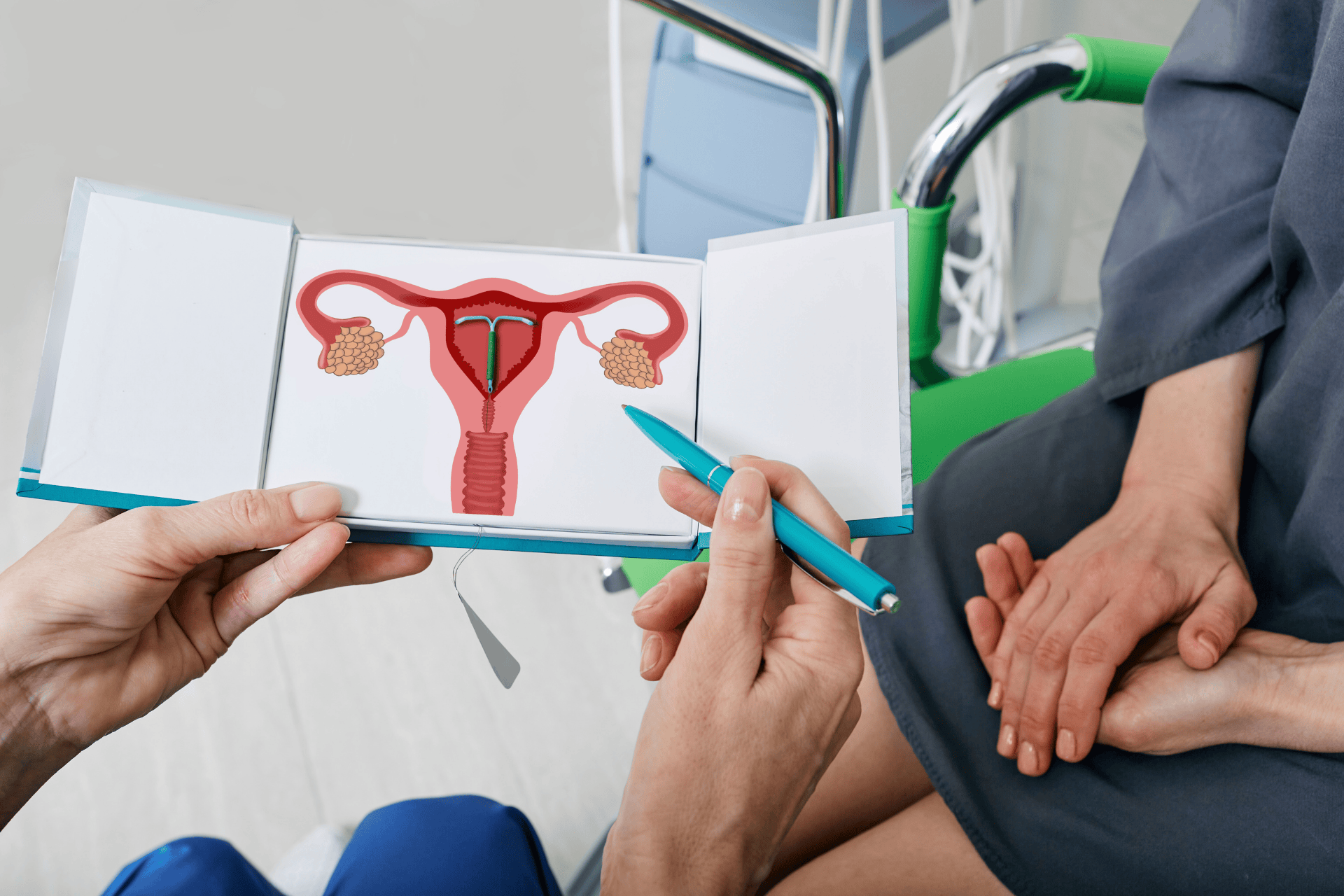
The IUD removal process typically takes just a few minutes and is performed by a healthcare provider. During the procedure, the provider will use a special instrument to grasp the strings of the IUD and gently pull it out of the uterus. Most women report feeling only mild discomfort, akin to menstrual cramps, during the removal. It's advisable to schedule the removal during your menstrual period, as the cervix is naturally more open, making the process easier and more comfortable.
After removal, many women may experience light spotting or cramping, which usually resolve quickly. If you are considering switching to another contraceptive method, it's a good idea to discuss your options with your healthcare provider during the same visit. They can provide guidance on alternative birth control methods, whether hormonal or non-hormonal, to ensure you find the best fit for your lifestyle and reproductive goals.
 Preparing for IUD Removal
Removal should be performed by a trained healthcare provider, usually at a clinic or doctor’s office. If you’re unsure about the process or have concerns, telehealth platforms like Doctronic.ai offer easy access to medical advice from the comfort of your home. You can discuss symptoms, ask questions, and get guidance on when to schedule your removal. It’s a good idea to prepare a list of any medications you are currently taking or any allergies you may have, as this information can be crucial for your provider to know prior to the procedure.
Before removal, your provider may ask about your medical history and any symptoms you’re experiencing. It’s helpful to know when your last menstrual period was, as timing can affect comfort during the procedure. Most patients do not require anesthesia, but some may be offered a mild pain reliever or a local anesthetic if needed. It's also beneficial to discuss any concerns regarding potential side effects or what to expect during the removal process. Understanding the steps involved can help alleviate anxiety and prepare you mentally for the experience.
In the days leading up to your appointment, consider keeping a journal of any symptoms or changes you’ve noticed since your IUD insertion. This can provide your healthcare provider with valuable insights into your experience and help them tailor the removal process to your specific needs. It’s wise to arrange for someone to accompany you to your appointment, especially if you feel nervous or if you anticipate needing assistance afterward. Having a support person can make the experience more comfortable and provide reassurance during the transition away from your IUD.
You will lie on an exam table, usually with your feet in stirrups. The provider will perform a pelvic exam to locate the IUD strings, which extend slightly through the cervix into the vagina. These strings are what the provider will gently pull to remove the device.
The provider uses forceps or gloved fingers to grasp the strings and gently pull. This causes the arms of the T-shaped IUD to fold upward as it slides out through the cervix. The entire process typically takes only a few seconds.
Once the IUD is out, the provider will examine it to ensure it is intact. This is important because a broken or incomplete removal can cause complications. If the strings are not visible or the device is difficult to remove, further evaluation may be necessary.
Many people experience mild cramping or discomfort similar to menstrual cramps when the IUD is pulled out. The intensity varies depending on individual sensitivity and the position of the device. The discomfort usually lasts only a few moments.
After removal, some spotting or light bleeding is common for a few days. You might also notice mild cramping as your uterus adjusts. These symptoms typically resolve quickly. If you experience heavy bleeding, severe pain, or signs of infection such as fever, contact your healthcare provider immediately.
Although rare, complications can occur. Seek prompt medical attention if you experience:
Heavy or prolonged bleeding
Severe abdominal pain
Fever or chills
Foul-smelling vaginal discharge
Difficulty removing the IUD or missing strings
If you have questions before or after removal, or if symptoms arise that concern you, telehealth services like Doctronic.ai provide quick access to medical professionals. They can help assess your symptoms, offer advice, and guide you on next steps without needing an in-person visit.
Once your IUD is removed, you may want to consider other contraceptive methods. Options include pills, implants, injections, or barrier methods. Your healthcare provider or a telehealth consultation can help you choose the best fit based on your health and lifestyle.
If removal is for pregnancy planning, fertility often returns quickly. Many people conceive within a few months after IUD removal. Tracking your cycle and maintaining a healthy lifestyle can support your reproductive goals.
Most people feel mild cramping or discomfort during removal, similar to menstrual cramps. The procedure is brief, and pain usually subsides quickly.
It is not recommended to remove an IUD on your own. Removal should be done by a healthcare professional to avoid injury or incomplete removal.
If the strings cannot be seen or felt, your provider may use an ultrasound or other methods to locate the device before removal.
Fertility typically returns immediately after removal, so pregnancy can occur as soon as you ovulate.
In many cases, a new IUD can be inserted right after removal, but this depends on your health and preferences. Discuss options with your provider.
Most women find removal much easier than insertion, with only brief discomfort and immediate return to normal activities. Call your provider if you experience severe pain, heavy bleeding, or can't feel your IUD strings during monthly checks. If you're having concerns about your IUD or removal process, Doctronic can connect you with healthcare providers for personalized guidance.
What Is an IUD and Why Remove It?An intrauterine device, or IUD, is a small, T-shaped contraceptive placed inside the uterus to prevent pregnancy. It is one of the most [...]
Read More
Join 50,000+ readers using Doctronic to understand symptoms, medications,
and next steps.
Add your phone number below to get health updates and exclusive VIP offers.
By providing your phone number, you agree to receive SMS updates from Company. Message and data rates may apply. Reply “STOP” to opt-out anytime. Read our Privacy Policy and Terms of Service for more details.
Save your consults. Talk with licensed doctors and manage your health history.
