
IUD Insertion: What to Expect Before, During, and After

Medically reviewed by Alan Lucks | MD, Alan Lucks MDPC Private Practice - New York on December 20th, 2025.
Published on December 19th, 2025. Updated on July 23rd, 2026.
Key takeaways
Understand the preparation steps before getting an IUD
Learn what happens during the IUD insertion procedure
Discover common side effects and recovery tips after insertion
Know when to seek medical advice post-insertion
Explore telehealth options like Doctronic.ai for convenient medical guidance
Questions about IUD insertion?
Free. Anonymous. Built by doctors.
This article covers general information. Ask Doctronic about your symptoms, medications, side effects, or treatment options.
Getting Ready for Your IUD Insertion
Choosing an intrauterine device (IUD) as your method of contraception is a significant decision. Preparing well can make the process smoother and less stressful. Before your appointment, it’s important to understand what to expect and how to get ready.
Scheduling and Consultation
Start by booking a consultation with your healthcare provider. Many clinics require a preliminary visit to discuss your medical history and determine if an IUD is right for you. If you want to avoid in-person visits or need quick answers, consider using telehealth services like Doctronic.ai. Their AI-powered platform can provide instant medical information and help you prepare for your appointment. During this consultation, your provider will discuss the different types of IUDs available, including hormonal and copper options, and help you weigh the benefits and potential side effects associated with each type.
Before the Procedure
On the day of insertion, avoid intercourse or using vaginal medications unless directed otherwise. Some providers recommend taking an over-the-counter pain reliever about an hour before your appointment to ease discomfort. Wear comfortable clothing and plan to take it easy for the rest of the day. It may also be helpful to have a support person accompany you to the appointment. This individual can provide emotional support and help you navigate any post-procedure instructions. Consider keeping a heating pad or hot water bottle handy for later, as applying heat can help soothe any cramping you might experience after the insertion.
Understanding the insertion process can also alleviate anxiety. The procedure typically takes only a few minutes, but knowing what to expect can make a significant difference in your comfort level. Your healthcare provider will start by performing a pelvic exam, then use a speculum to visualize the cervix. After cleansing the area, they will insert the IUD through the cervix into the uterus. You may feel some cramping during this time, but it usually subsides shortly after the procedure. Familiarizing yourself with these steps can help you feel more in control and prepared for the experience.
What Happens During IUD Insertion
The insertion itself is a quick procedure, usually lasting less than 10 minutes. Understanding the steps can help reduce anxiety and make the experience more manageable.
The Insertion Process Explained
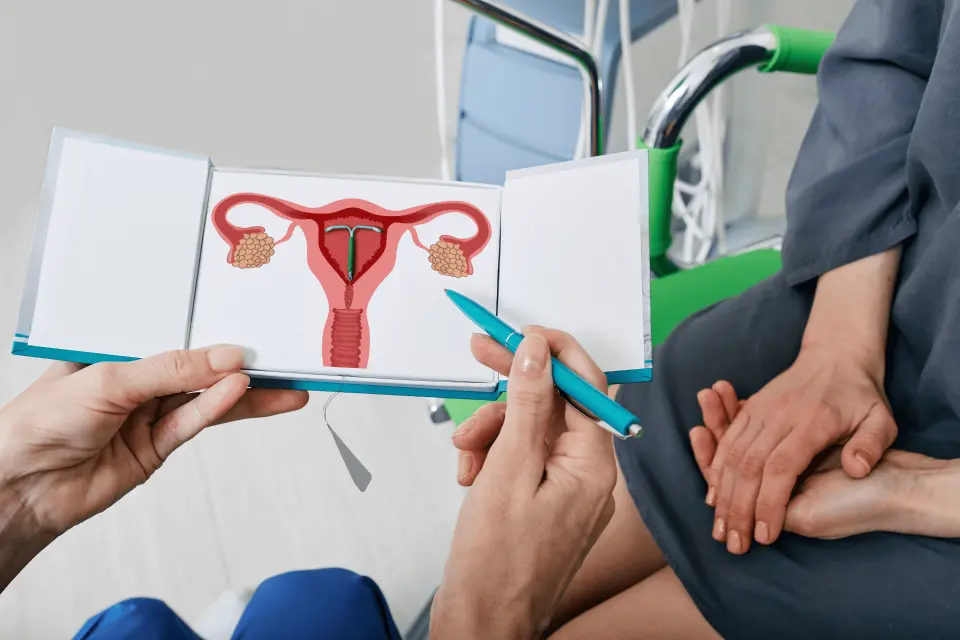
Once you arrive, your healthcare provider will perform a pelvic exam to assess your uterus. A speculum is inserted to keep the vaginal walls open, similar to a Pap smear. The cervix is then cleaned with an antiseptic solution.
A special instrument measures the depth of your uterus to ensure proper placement of the IUD. The device is then inserted through the cervix into the uterus. You may feel pressure, cramping, or pinching during this step. After placement, the provider trims the IUD strings so they extend slightly into the vagina for future removal or checks.
It’s important to note that the type of IUD being inserted can influence the experience. Hormonal IUDs, for instance, release progestin, which can also help reduce menstrual bleeding and cramping over time. In contrast, copper IUDs work as a non-hormonal option, creating an environment that is toxic to sperm. Understanding these differences can help you make an informed decision about which type of IUD might be best suited for your needs.
What You Might Feel
Discomfort varies from person to person. Some experience mild cramping or spotting immediately after insertion, while others feel more intense pain. If you have concerns about pain management, discuss options with your provider ahead of time or consult with a telehealth provider like Doctronic.ai for advice.
After the procedure, it’s common to experience some side effects as your body adjusts to the IUD. These can include irregular bleeding or spotting, especially in the first few months. Some individuals may also notice changes in their menstrual cycle, such as lighter periods or, in the case of hormonal IUDs, a complete cessation of menstruation. Monitoring these changes and maintaining open communication with your healthcare provider can help ensure that any concerns are addressed promptly and effectively.
 After IUD Insertion: Recovery and Care
Knowing what to expect after your IUD is in place can help you manage symptoms and recognize when to seek medical help.
Common Side Effects
Spotting or irregular bleeding for several weeks
Mild cramping or pelvic pain
Sensation of the IUD strings in the vagina
These symptoms are normal as your body adjusts. Over-the-counter pain relievers and rest can ease discomfort. Avoid using tampons or engaging in sexual intercourse for at least 24 hours post-insertion, or as advised by your provider.
When to Contact a Doctor
Seek medical attention if you experience severe pain, heavy bleeding, fever, chills, or unusual discharge. These could be signs of infection or complications. If you have questions or symptoms that concern you, telehealth platforms like Doctronic.ai offer quick access to medical advice without leaving home.
Benefits of Using Telehealth for IUD Questions and Follow-Up
Telehealth services have transformed access to healthcare, making it easier to get timely answers and support. For IUD users, this means you can consult with medical professionals about side effects, concerns, or next steps anytime.
Why Choose Doctronic.ai?
Doctronic.ai combines AI technology with telehealth, offering free AI doctor visits to help you understand symptoms and treatment options. Their platform synthesizes the latest medical research to provide reliable, personalized answers in seconds. For follow-up questions after your IUD insertion, Doctronic.ai can be a valuable resource.
Convenience and Accessibility
With 24/7 video visits available across all 50 states for under $40, Doctronic.ai makes it easy to connect with licensed doctors when you need them. This is especially helpful if you want to avoid waiting rooms or have questions outside regular office hours.
Get IUD counseling treatment online today
A licensed doctor can review your symptoms and send a prescription to your pharmacy, often the same day.
- $39 video visit
- Insurance accepted
- 4.8 on Trustpilot
Understanding Your IUD Options
There are two main types of IUDs: hormonal and copper. Each has different benefits and potential side effects.
Hormonal IUDs
These release small amounts of progestin to prevent pregnancy. They can reduce menstrual bleeding and cramps, but may cause hormonal side effects like mood changes or acne.
Copper IUDs
Copper IUDs do not contain hormones and work by creating an environment hostile to sperm. They may cause heavier periods and more cramping initially, but last longer, up to 10 years.
IUD Insertion
Getting an IUD is a personal choice that offers effective, long-term contraception. Being informed about the process before, during, and after insertion helps ease concerns and ensures better care. Whether you need quick medical advice or ongoing support, telehealth services like Doctronic.ai provide accessible and trustworthy assistance.
Frequently Asked Questions
Many people experience some cramping or discomfort during and after insertion. Pain levels vary, but taking a pain reliever beforehand and relaxing can help.
Yes, IUDs are safe for people who have never had children, but your provider will discuss the best options for you.
Hormonal IUDs are effective immediately if inserted within seven days of your period starting. Copper IUDs are effective right away.
Contact your healthcare provider promptly. They can check the placement and trim the strings if necessary.
No, removal should always be done by a healthcare professional to avoid injury or complications.
Related articles

Get personalized health advice
Chat Now