

Is Zepbound Better Than Wegovy?
Understanding Zepbound and Wegovy: What Are They?Zepbound: Dual Hormone Activation for Weight ManagementZepbound, known generically as tirzepatide, is an FDA-approved [...]
Read More
Medically reviewed by Alan Lucks | MD, Alan Lucks MDPC Private Practice - New York on November 25th, 2025.
Zepbound (tirzepatide) activates both GIP and GLP-1 receptors, leading to average weight loss of 15-20% of body weight compared to Wegovy's 10-15% through single GLP-1 receptor targeting.
Clinical trials demonstrate tirzepatide's superior effectiveness for obesity-related sleep apnea, with patients experiencing significant reduction in airway fat deposits and improved breathing patterns during sleep.
Both medications carry identical contraindications for patients with personal or family history of medullary thyroid carcinoma or multiple endocrine neoplasia syndrome type 2.
Gastrointestinal side effects occur in 70-80% of patients initially, including nausea, vomiting, and diarrhea, typically subsiding after 4-8 weeks as the body adjusts to treatment.
Weekly injections require gradual dose escalation over 16-20 weeks to reach therapeutic levels, with lifestyle modifications including 500-750 calorie deficit essential for optimal results.
Zepbound, known generically as tirzepatide, is an FDA-approved medication for adults struggling with obesity or being overweight. It stands out because it activates two hormone pathways, GIP and GLP-1 receptors, that naturally regulate appetite, digestion, insulin release, and feelings of fullness. This dual action helps reduce hunger and slows stomach emptying, which supports significant and sustained weight loss.
Besides weight management, Zepbound has shown benefits for people with moderate to severe obstructive sleep apnea (OSA) linked to obesity. By reducing fat deposits around the airway, it decreases airway collapse during sleep, improving OSA symptoms indirectly through weight loss rather than acting as a sleep medication.
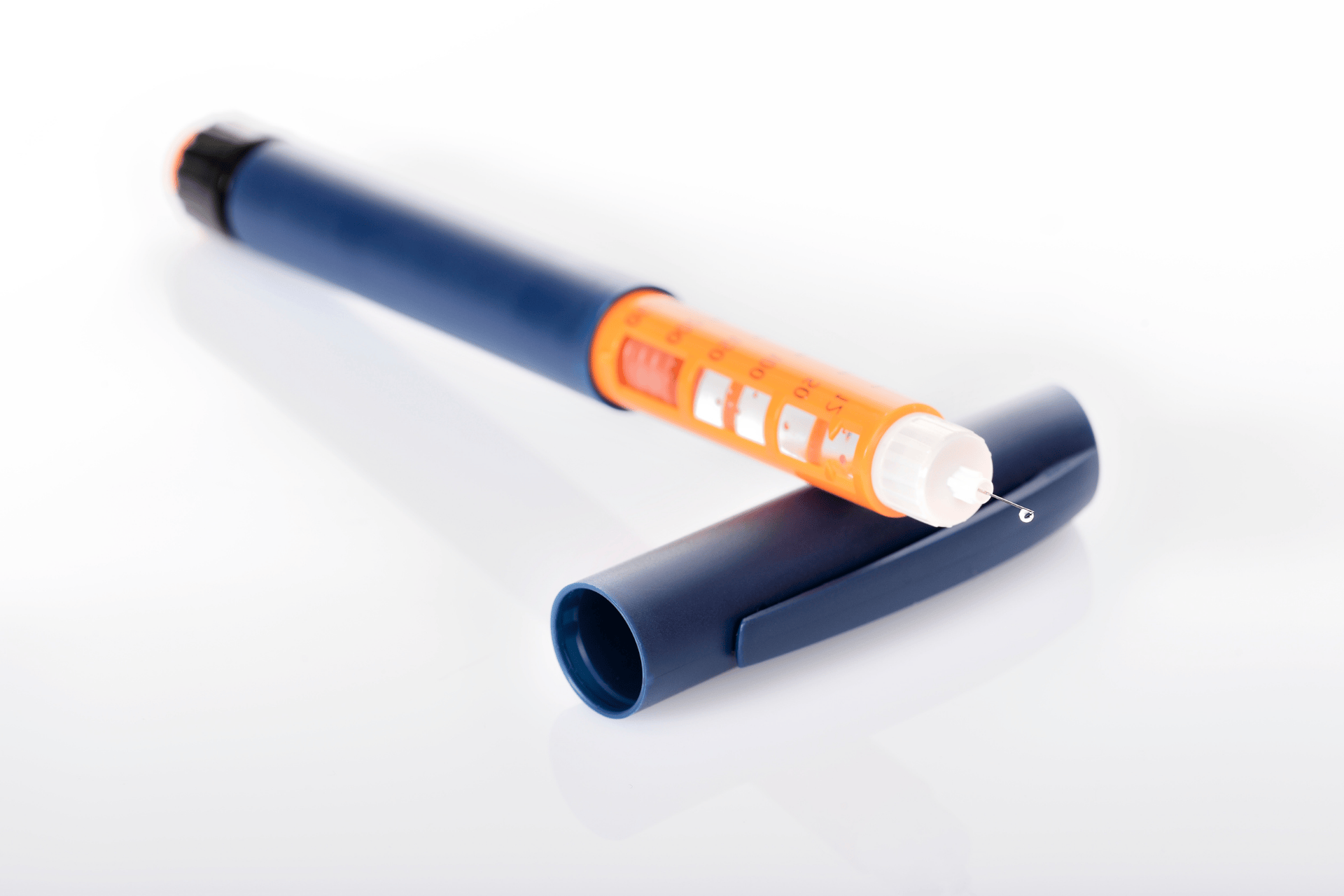 Wegovy: Targeting GLP-1 for Weight Control
Wegovy, another injectable medication, primarily targets the GLP-1 receptor to help regulate appetite and food intake. It has been widely prescribed for chronic weight management and has demonstrated effectiveness in helping patients lose weight and maintain it over time. Like Zepbound, Wegovy requires consistent dosing and lifestyle adjustments to achieve the best outcomes.
While Wegovy does not have a direct indication for obstructive sleep apnea, weight loss achieved through its use can also improve related health conditions.
Zepbound’s unique approach lies in its ability to activate both GIP and GLP-1 receptors simultaneously. GIP (glucose-dependent insulinotropic polypeptide) and GLP-1 (glucagon-like peptide-1) are hormones that play crucial roles in managing blood sugar and appetite. By stimulating both, Zepbound enhances insulin secretion and reduces appetite more effectively than medications that target only one receptor.
This dual mechanism may translate into greater weight loss and better metabolic control in some patients, especially those with obesity-related conditions like type 2 diabetes or sleep apnea.
Wegovy is a GLP-1 receptor agonist, mimicking the natural hormone GLP-1 to slow gastric emptying and increase feelings of fullness. This helps reduce calorie intake and supports weight loss. It has been extensively studied and is considered a reliable option for many patients.
However, because it targets only one receptor, some patients might find Zepbound’s dual action more effective, though individual responses vary.
Both Zepbound and Wegovy can cause gastrointestinal side effects such as nausea, diarrhea, constipation, and abdominal discomfort. These symptoms often improve over time as the body adjusts to the medication.
It’s important to communicate any side effects to your healthcare provider, especially if they become severe or persistent. Regular follow-up ensures safety and helps tailor treatment to your needs.
Zepbound should not be used by individuals with a personal or family history of medullary thyroid carcinoma (MTC) or multiple endocrine neoplasia syndrome type 2 (MEN2). Patients with OSA caused by anatomical abnormalities rather than obesity might not experience the same benefits.
Wegovy carries similar warnings regarding thyroid cancer risk and should be used under medical supervision. Both medications require careful assessment before starting treatment.
Deciding whether Zepbound or Wegovy is better depends on individual health goals, medical history, and lifestyle. Zepbound’s dual receptor activation and additional benefits for obesity-related sleep apnea make it a compelling option for some patients.
On the other hand, Wegovy’s established track record and focused mechanism may suit others better. Both require commitment to lifestyle changes such as healthy eating and physical activity to achieve lasting results.
Choosing and managing weight loss medication can be complex. Telehealth platforms like Doctronic.ai provide convenient access to board-certified doctors who understand the latest in modern medicine and AI-powered diagnostics. They offer affordable video visits 24/7 across all 50 states, making it easier to discuss your options, monitor your progress, and adjust treatment as needed.
With over 10 million users, Doctronic combines AI precision with personalized care, remembering your history and providing detailed, evidence-based recommendations quickly. This kind of support can be invaluable when navigating medications like Zepbound and Wegovy.
Both Zepbound and Wegovy are tools to assist weight loss, but they work best when combined with healthy lifestyle habits. This includes balanced nutrition, regular exercise, and ongoing medical follow-up.
Weight loss achieved through these medications can improve metabolic health and reduce the severity of obesity-related conditions, including obstructive sleep apnea, diabetes, and heart disease.
Consistency is key. Taking medications as prescribed, attending follow-up appointments, and making sustainable lifestyle changes help maximize benefits and minimize risks. Telehealth services like Doctronic.ai can provide ongoing support and quick access to medical advice whenever questions arise.
Doctronic.ai offers a unique blend of AI-driven medical expertise and real doctor interaction. This combination ensures you receive fast, accurate answers and personalized care tailored to your medical history and current health needs.
Whether you’re just starting to explore weight management options or need ongoing support while using medications like Zepbound or Wegovy, Doctronic.ai makes expert healthcare accessible, affordable, and convenient.
Visit Doctronic.ai to try a free AI doctor visit and see how it can help you understand your health better. When you’re ready, schedule a telehealth video visit with a licensed physician for personalized treatment recommendations and prescriptions if appropriate.
 Zepbound vs. Wegovy
Both Zepbound and Wegovy offer promising options for chronic weight management, each with unique strengths. Zepbound’s dual hormone activation and benefits for obstructive sleep apnea make it a strong contender for patients with obesity-related sleep issues. Wegovy remains a trusted choice with a focused mechanism and extensive clinical use.
Ultimately, the best choice depends on your individual health profile and goals. Partnering with knowledgeable healthcare providers through platforms like Doctronic.ai can help you make informed decisions and achieve lasting health improvements.
Zepbound activates both GIP and GLP-1 receptors, while Wegovy primarily targets the GLP-1 receptor. This dual action may provide enhanced weight loss and metabolic benefits for some patients.
Yes, Zepbound can improve OSA severity indirectly by promoting weight loss, which reduces fat around the airway and decreases airway collapse during sleep.
Both medications carry warnings about thyroid cancer risk and should not be used by individuals with a personal or family history of certain thyroid cancers. Side effects like nausea and gastrointestinal discomfort are common but usually manageable.
Consult a healthcare provider who can evaluate your health and prescribe the appropriate medication. Telehealth services like Doctronic.ai offer convenient access to licensed doctors for diagnosis, prescription, and ongoing care.
Yes, combining medication with healthy eating, physical activity, and regular medical follow-up is essential for long-term success.
Zepbound's dual-receptor mechanism generally produces greater weight loss and additional sleep apnea benefits, but individual medical history and tolerance ultimately determine the best choice. Both require careful dose titration and lifestyle changes under medical supervision for safe, effective results. If you're considering either medication, Doctronic can help evaluate which option suits your specific health profile.
Understanding Zepbound and Wegovy: What Are They?Zepbound: Dual Hormone Activation for Weight ManagementZepbound, known generically as tirzepatide, is an FDA-approved [...]
Read More