
Is Hair Loss Normal During Pregnancy?

Medically reviewed by Alan Lucks | MD, Alan Lucks MDPC Private Practice - New York on January 2nd, 2026.
Published on January 2nd, 2026. Updated on April 30th, 2026.
Key takeaways
Hair changes during pregnancy are common but vary widely among individuals. Most women experience thicker hair during pregnancy due to hormonal shifts, but some may notice hair loss. Postpartum hair shedding is typical and usually temporary. Understanding the causes helps manage expectations and identify when to seek medical advice. Telehealth services like Doctronic.ai offer quick, expert guidance on hair and health concerns during pregnancy.
Understanding Hair Changes During Pregnancy
Pregnancy triggers a wide range of physical changes, and hair is no exception. For many women, hair becomes thicker, shinier, and fuller. This is largely due to elevated hormone levels, especially estrogen, which prolongs the growth phase of hair follicles.
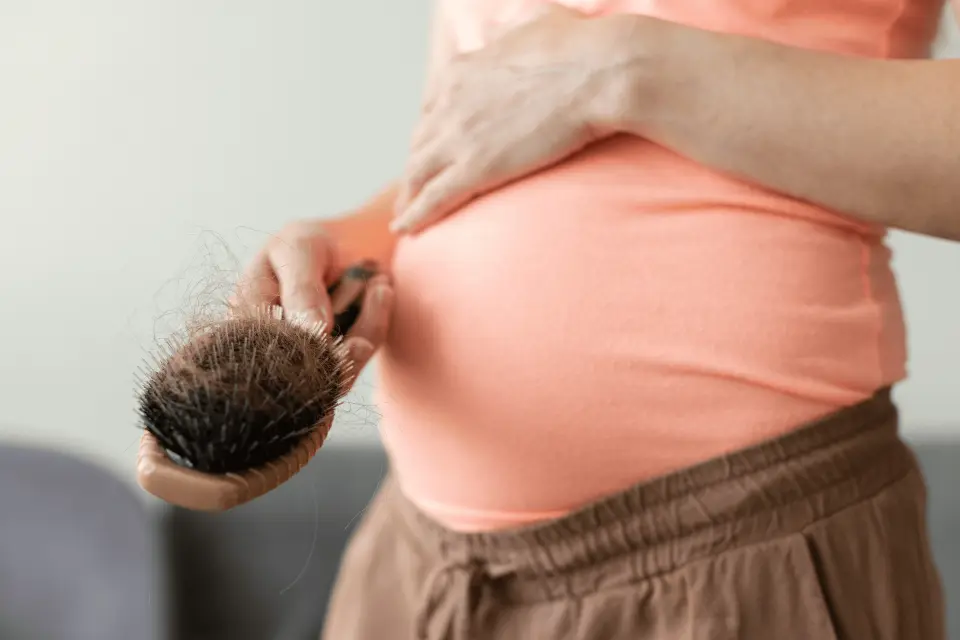
However, not every pregnant person experiences these changes the same way. Some may notice increased hair shedding or thinning, which can feel alarming. It’s important to recognize that hair loss during pregnancy, while less common than postpartum shedding, can still occur and usually has benign causes.
Why Does Hair Usually Get Thicker?
Estrogen plays a key role in hair growth cycles. During pregnancy, estrogen levels rise and keep hair in the anagen, or growth phase, longer than usual. This means fewer hairs fall out, and the ones that remain grow thicker and stronger. Many women report that their hair looks healthier and fuller during this time.
The increase in blood circulation during pregnancy can contribute to the enhanced appearance of hair. With more nutrients and oxygen reaching the hair follicles, the hair can appear more vibrant and alive. Some women even find that their hair texture changes, becoming softer and more manageable, which can be a delightful surprise amidst the many other changes that pregnancy brings.
When Hair Loss Happens During Pregnancy
Some women may experience hair loss or thinning during pregnancy due to factors such as stress, nutritional deficiencies, or underlying medical conditions. While less common, these causes can disrupt the normal hair growth cycle, leading to shedding.
Stress related to pregnancy itself or external life events can trigger a condition called telogen effluvium, where hair prematurely enters the shedding phase. Nutritional gaps, especially in iron, zinc, or protein, may also contribute to hair loss. It's essential for pregnant individuals to maintain a balanced diet rich in these nutrients, as well as to engage in stress-reducing activities like prenatal yoga or meditation, which can help mitigate some of the adverse effects on hair health.
Moreover, hormonal fluctuations can also lead to changes in scalp health, which may indirectly affect hair growth. For instance, some women may experience increased oiliness or dryness of the scalp, which can lead to issues like dandruff or irritation. Maintaining a proper hair care routine that accommodates these changes, such as using gentle shampoos and conditioners, can be beneficial in supporting overall hair health during this transformative time.
Postpartum Hair Shedding: What to Expect
One of the most well-known hair changes related to pregnancy happens after delivery. Postpartum hair shedding, often called telogen effluvium, affects a majority of new mothers. It usually begins two to four months after childbirth and can last several months.
Why Does Postpartum Hair Loss Occur?
During pregnancy, fewer hairs fall out because of high estrogen levels. After delivery, estrogen levels drop sharply, causing hair follicles to enter the resting phase and then shed. This sudden shift results in noticeable hair loss, which can be distressing but is generally temporary.
How Long Does Postpartum Hair Loss Last?
Most women see hair shedding slow down and hair volume return to normal within six to twelve months postpartum. The hair growth cycle gradually rebalances, and new hair growth replaces the shed strands.
Managing Postpartum Hair Loss
Maintain a balanced diet rich in vitamins and minerals to support hair health.
Avoid harsh hair treatments or styles that pull on the hair.
Be gentle when brushing or washing hair to minimize breakage.
Consider consulting a healthcare provider if hair loss is severe or prolonged.
When to Seek Medical Advice for Hair Loss During Pregnancy
While hair loss during pregnancy and postpartum is often normal, there are times when professional evaluation is necessary. If hair shedding is excessive, patchy, or accompanied by other symptoms such as scalp irritation or sudden weight changes, it’s important to consult a healthcare provider.
Underlying conditions such as thyroid disorders, hormonal imbalances, or autoimmune diseases can cause hair loss and require treatment. Nutritional deficiencies should also be addressed promptly to support both maternal and fetal health.
 Using Telehealth for Convenient Care
For quick, reliable advice on hair loss or any pregnancy-related health concern, telehealth platforms like Doctronic.ai offer 24/7 access to licensed doctors. These services provide affordable video visits from the comfort of home, making it easier to get answers without waiting weeks for an appointment.
Doctronic’s AI-powered system can also offer immediate insights based on the latest medical research, helping you understand your symptoms and next steps before connecting with a doctor.
Tips for Healthy Hair During and After Pregnancy
Maintaining hair health during pregnancy and postpartum involves a combination of good nutrition, gentle hair care, and stress management.
Nutrition and Supplements
Eat a balanced diet rich in protein, iron, vitamins A, C, D, and E, and omega-3 fatty acids.
Discuss prenatal vitamins and any additional supplements with your healthcare provider.
Stay hydrated to support overall health and hair condition.
Hair Care Practices
Use mild shampoos and conditioners suited for your hair type.
Avoid excessive heat styling or chemical treatments during pregnancy.
Limit hairstyles that pull tightly on the scalp, such as ponytails or braids.
Managing Stress
Stress can impact hair health, so finding ways to relax and reduce anxiety is beneficial. Techniques like prenatal yoga, meditation, or gentle exercise can help maintain emotional well-being.
Get hair loss treatment online today
A licensed doctor can review your symptoms and send a prescription to your pharmacy, often the same day.
- $39 video visit
- Insurance accepted
- 4.8 on Trustpilot
Related medications we prescribe
Learn moreUnderstanding Hair Loss Beyond Pregnancy
Hair loss can be influenced by many factors unrelated to pregnancy, including genetics, medications, and chronic health conditions. If hair loss continues beyond the postpartum period or worsens, it’s important to explore other causes with a healthcare professional.
Recognizing Patterns of Hair Loss
Common patterns include diffuse thinning, patchy hair loss, or receding hairlines. Identifying the pattern can help pinpoint the cause and guide treatment.
Available Treatments
Treatment options vary depending on the cause and may include nutritional support, topical therapies, or medical interventions. Always consult a healthcare provider before starting any treatment, especially when breastfeeding or pregnant.
Supporting Your Hair Health Journey
Doctronic.ai offers fast, expert guidance tailored to your needs. Taking proactive steps with nutrition, hair care, and professional support helps you navigate this unique time with confidence.
Frequently Asked Questions
Hair loss during pregnancy is less common than postpartum shedding, but it can happen due to stress, nutritional deficiencies, or medical conditions. Most women experience thicker hair during pregnancy.
Postpartum hair loss typically begins 2 to 4 months after delivery and usually lasts up to 12 months as hormone levels stabilize.
While you cannot completely prevent hair loss, maintaining good nutrition, managing stress, and gentle hair care can help support healthy hair.
If hair loss is severe, patchy, or accompanied by other symptoms, it’s important to consult a healthcare provider. Telehealth services like Doctronic.ai can provide quick access to medical advice.
Most postpartum hair loss is temporary. Hair usually regrows within several months, returning to its pre-pregnancy state.
References
The Bottom Line
Hair changes during pregnancy are common, and while most women notice thicker hair, some may experience temporary shedding due to stress, nutrition, or hormonal shifts. Postpartum hair loss is especially normal and usually resolves within a year. If hair loss feels excessive or concerning, telehealth services like Doctronic.ai provide quick, expert guidance to help identify causes, offer reassurance, and support healthy hair during and after pregnancy.
Related articles
Get hair loss advice
Chat Now