
Is Hair Loss Common During Weight Loss?

Medically reviewed by Alan Lucks | MD, Alan Lucks MDPC Private Practice - New York on January 4th, 2026.
Published on January 1st, 2026. Updated on July 23rd, 2026.
Key takeaways
Hair loss can occur during weight loss due to nutritional deficiencies and physiological stress.
Rapid or extreme weight loss increases the risk of temporary hair shedding known as telogen effluvium.
Maintaining a balanced diet with adequate protein, vitamins, and minerals supports healthy hair during weight loss.
Consulting healthcare providers through telehealth services like Doctronic.ai can help address hair loss concerns effectively.
Understanding the causes and timing of hair loss can reduce anxiety and guide appropriate treatment.
Questions about hair loss and weight loss?
Free. Anonymous. Built by doctors.
This article covers general information. Ask Doctronic about your symptoms, medications, side effects, or treatment options.
Understanding Hair Loss During Weight Loss
Losing weight often brings many changes to the body, some expected and others less so. One surprising effect that some people notice is hair loss. While it might feel alarming, hair shedding during weight loss is not uncommon. This type of hair loss is usually temporary and linked to the body’s response to changes in nutrition and stress levels.
Hair grows in cycles, and when the body experiences significant changes like rapid weight loss, it can push more hair into the shedding phase. This condition is known as telogen effluvium. It typically starts a few months after the triggering event, which in this case is weight loss.
What Causes Hair Loss When Losing Weight?
Several factors contribute to hair loss during weight loss:
Nutritional Deficiencies: Cutting calories or following restrictive diets can lead to a lack of essential nutrients like protein, iron, zinc, and vitamins such as B12 and D, all of which are crucial for hair health.
Physiological Stress: The body perceives rapid weight loss as a stressor, which can disrupt the normal hair growth cycle.
Hormonal Changes: Weight loss can affect hormone levels, including thyroid hormones and sex hormones, which influence hair growth.
How Common Is Hair Loss During Weight Loss?
While exact numbers vary, studies suggest that a significant number of people who lose weight rapidly or through extreme dieting experience some degree of hair shedding. This is usually temporary and resolves once the body adjusts and nutritional status improves.
In addition to the physiological factors at play, psychological aspects can also contribute to hair loss during weight loss. Many individuals may experience anxiety or stress related to their body image and the pressures of maintaining a weight loss regimen. This emotional strain can further exacerbate hair loss, as stress is known to trigger or worsen conditions like telogen effluvium. It's essential to recognize the interplay between mental and physical health during weight loss journeys, as a holistic approach can help mitigate these effects.
The method of weight loss can influence the likelihood of experiencing hair loss. For instance, those who engage in extreme calorie restriction or fad diets may be at a higher risk compared to individuals who adopt a balanced, gradual approach to weight loss. Incorporating a variety of nutrient-dense foods and ensuring adequate caloric intake can support not only weight loss but also overall health, including the health of hair follicles. Understanding these nuances can empower individuals to make informed choices that promote both weight management and hair vitality.
Recognizing the Signs of Weight Loss-Related Hair Loss
Identifying hair loss related to weight loss helps in managing it effectively. Here are some signs to watch for:
Increased Shedding
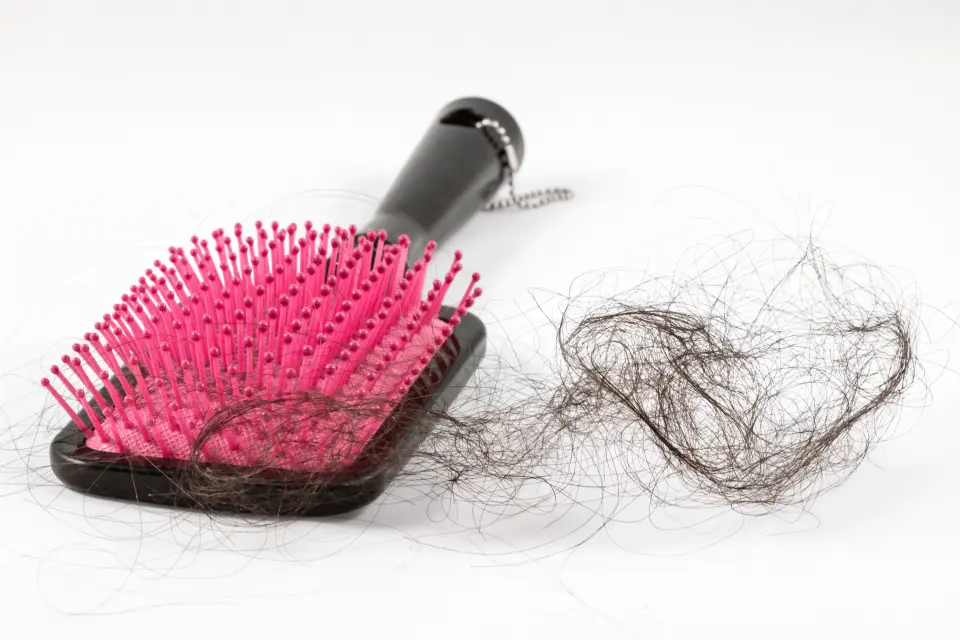
You might notice more hair in your brush, shower drain, or pillow than usual. Losing about 50 to 100 hairs per day is normal, but a sudden increase can be a sign of telogen effluvium. This condition occurs when a significant change, such as rapid weight loss, triggers a large number of hair follicles to enter the resting phase of the hair growth cycle simultaneously. Stress, whether physical or emotional, can also contribute to this phenomenon, making it crucial to monitor not just your diet but your overall well-being during weight loss.
Thinning Hair
Hair may appear thinner overall, especially on the scalp crown or front. The scalp might become more visible as hair density decreases. This thinning can be particularly distressing, as it can alter one’s appearance and self-esteem. Nutritional deficiencies, often a result of restrictive diets, can exacerbate this issue. Essential nutrients like biotin, zinc, and vitamins A and D play a vital role in maintaining healthy hair. Therefore, ensuring a balanced intake of these nutrients during weight loss is essential for preserving hair health.
Timing of Hair Loss
Hair shedding often begins two to three months after significant weight loss or a major dietary change. This delay corresponds to the hair growth cycle phases. During this period, the body may react to the stress of weight loss by reallocating resources, leading to hair follicles being temporarily pushed into the telogen phase. It’s important to note that this type of hair loss is usually reversible, but it may take several months for hair to return to its normal growth cycle. Keeping track of your dietary habits and consulting with a healthcare professional can provide insights into how to mitigate these effects and support hair regrowth effectively.
 How to Support Hair Health During Weight Loss
Maintaining healthy hair while losing weight requires a thoughtful approach to nutrition and self-care.
Focus on Balanced Nutrition
Ensure your diet includes enough protein, which is the building block of hair. Include sources like lean meats, fish, beans, and nuts. Iron-rich foods such as spinach and lentils support oxygen delivery to hair follicles. Vitamins A, C, D, and E, along with zinc and biotin, also play important roles.
Avoid Extreme Diets
Crash diets or very low-calorie plans can deprive your body of essential nutrients and increase stress, worsening hair loss. Aim for gradual, sustainable weight loss instead.
Manage Stress
Physical and emotional stress can impact hair growth. Practices like mindfulness, regular exercise, and adequate sleep help reduce stress levels.
Stay Hydrated
Water supports overall health, including scalp hydration, which is important for hair strength and growth.
When to Seek Medical Advice
If hair loss is severe, prolonged, or accompanied by other symptoms like fatigue, skin changes, or unexplained weight fluctuations, it’s important to consult a healthcare professional. Underlying conditions, such as thyroid disorders or anemia, may need to be ruled out.
Using Telehealth for Convenient Care
Telehealth platforms like Doctronic.ai offer an accessible way to get expert advice on hair loss and weight loss concerns. You can have video visits with licensed doctors who can evaluate your symptoms, recommend tests, and suggest treatment plans-all from the comfort of your home.
What to Expect During a Telehealth Visit
Doctors will ask about your diet, weight loss methods, hair loss pattern, and any other symptoms. They may order blood tests to check for deficiencies or hormonal imbalances. Based on findings, they can guide you on nutrition, supplements, or medical treatments if needed.
Get hair loss treatment online today
A licensed doctor can review your symptoms and send a prescription to your pharmacy, often the same day.
- $39 video visit
- Insurance accepted
- 4.8 on Trustpilot
Related medications we prescribe
Learn moreLong-Term Outlook for Hair Loss After Weight Loss
Most people experience hair regrowth once their body recovers from the stress of weight loss and nutritional balance is restored. This process can take several months. Patience is key, as hair grows slowly, about half an inch per month.
Maintaining a healthy lifestyle with balanced meals, stress management, and regular medical checkups supports not only hair health but overall well-being.
Understanding and Managing Hair Loss During Weight Loss
Hair loss during weight loss can be unsettling, but it is often a temporary phase linked to the body’s adjustment to new nutritional and physiological conditions. By focusing on a balanced diet, avoiding extreme weight loss methods, and seeking medical advice when needed, hair health can be preserved and restored.
Telehealth services like Doctronic.ai provide convenient, expert support for anyone experiencing hair loss or other health concerns during weight loss. Early guidance can make a significant difference in managing symptoms and maintaining confidence throughout your health journey.
Frequently Asked Questions
No, hair loss caused by weight loss is usually temporary. Once the body adjusts and nutritional deficiencies are corrected, hair typically regrows.
Supplements can help if you have specific nutrient deficiencies, but they should not replace a balanced diet. Consult a healthcare provider before starting any supplements.
Gradual weight loss of about 1 to 2 pounds per week is generally safer and less likely to cause hair loss compared to rapid or extreme dieting.
Yes, Doctronic.ai offers telehealth visits with doctors who can assess hair loss related to weight loss, provide personalized advice, and recommend appropriate tests or treatments.
Conditions like thyroid disorders, hormonal imbalances, autoimmune diseases, diabetes, anxiety, digestive issues, and certain medications can also cause hair loss. Professional evaluation is important for accurate diagnosis.
The Bottom Line
Hair loss during weight loss is fairly common and usually temporary, often caused by nutritional gaps or the physical stress of rapid weight changes. Focusing on balanced nutrition, gradual weight loss, and stress management can help protect hair health and support regrowth. If shedding feels excessive or prolonged, telehealth services like Doctronic.ai make it easy to get expert evaluation, rule out underlying issues, and receive personalized guidance without delay.
Related articles
Get weight loss guidance
Chat Now