

How to Use a Nebulizer: 12 Easy Steps to Follow
Key takeawaysUnderstand what a nebulizer is and why it’s used for respiratory care.Learn the essential equipment needed for a nebulizer treatment.Follow a clear, step-by-step [...]
Read More
Medically reviewed by Alan Lucks | MD, Alan Lucks MDPC Private Practice - New York on December 17th, 2025.
Understand what a nebulizer is and why it’s used for respiratory care.
Learn the essential equipment needed for a nebulizer treatment.
Follow a clear, step-by-step guide for preparing and using your nebulizer safely.
Discover tips for cleaning and maintaining your nebulizer for optimal performance.
Know when to seek medical advice through telehealth services like Doctronic.ai.
A nebulizer is a device that turns liquid medicine into a fine mist, making it easier to inhale directly into your lungs. It’s commonly used to treat respiratory conditions like asthma, chronic obstructive pulmonary disease (COPD), and other breathing difficulties. Using a nebulizer correctly ensures that the medication reaches your lungs effectively, providing relief and improving breathing. For many patients, the nebulizer becomes an essential part of their daily routine, offering a sense of control over their respiratory health.
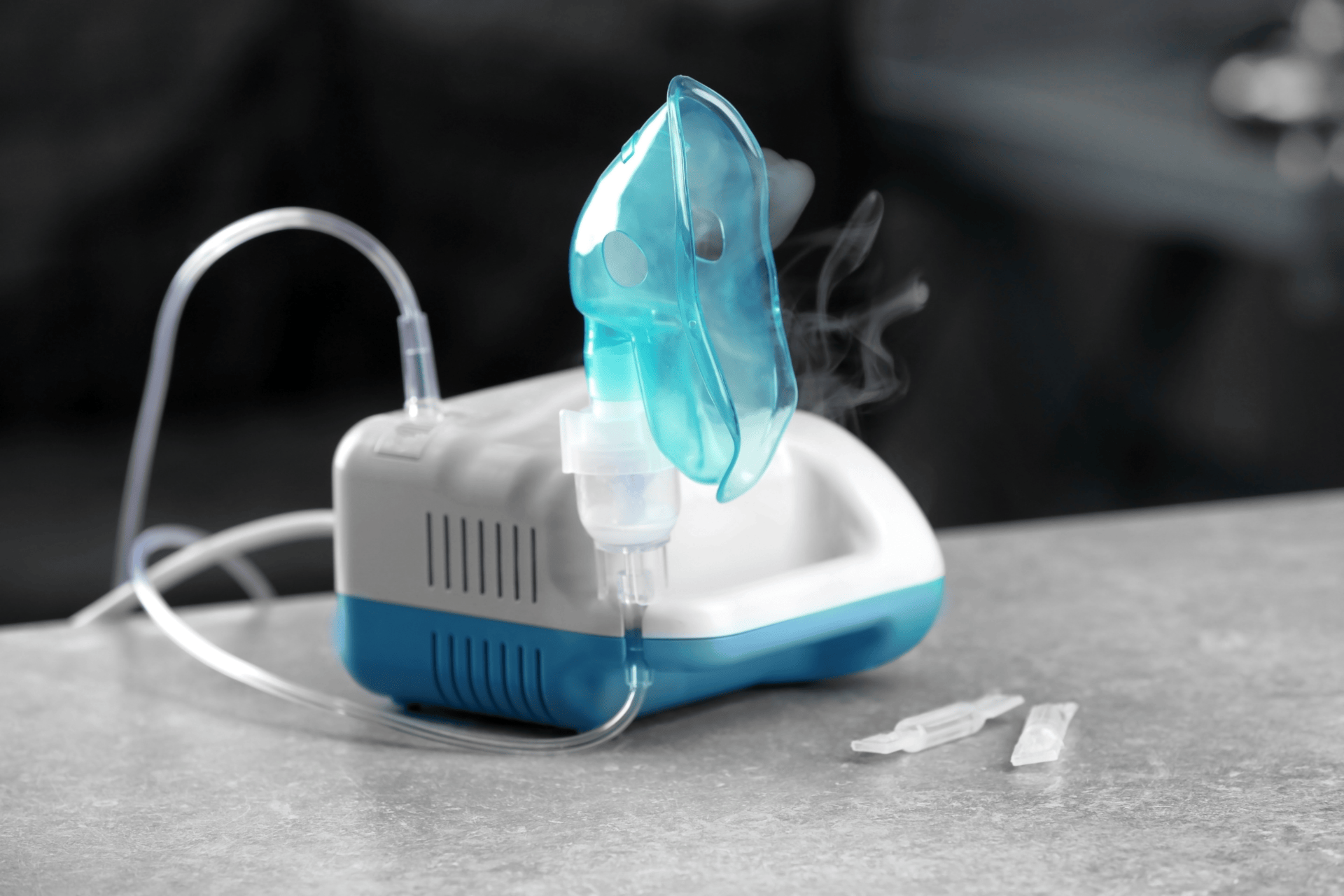
Before diving into the steps, it’s important to have all the necessary equipment ready. This includes the nebulizer machine, the medicine cup, tubing, mouthpiece or mask, and the prescribed medication. Make sure your hands are clean before handling any parts to avoid contamination. Familiarize yourself with the specific instructions provided by your healthcare provider regarding the medication dosage and frequency of use, as these can vary significantly depending on your individual needs.
Nebulizer machine: The main device that generates the mist.
Medicine cup: Holds the liquid medication.
Tubing: Connects the medicine cup to the machine.
Mouthpiece or mask: Used to inhale the mist.
Medication: Prescribed liquid medicine for inhalation.
Understanding how each component of the nebulizer works can enhance your experience and ensure you’re using the device effectively. The nebulizer machine itself may come in various types, including portable and tabletop models, allowing you to choose one that best fits your lifestyle. Some machines operate quietly, making them ideal for use during the night, while others may have additional features like built-in timers or adjustable mist settings. The medicine cup is designed to maximize the delivery of medication, ensuring that as much of it as possible is turned into aerosol form for inhalation.
When using the nebulizer, it’s also crucial to maintain the equipment properly. Regular cleaning of the nebulizer parts, especially the medicine cup and tubing, helps prevent the growth of bacteria and ensures optimal performance. Most manufacturers provide specific cleaning instructions, often recommending a routine that includes rinsing with warm water and allowing the parts to air dry completely. By taking these steps, you can not only prolong the life of your nebulizer but also enhance the effectiveness of your treatments.
 12 Easy Steps to Use Your Nebulizer
Always start with clean hands. Wash thoroughly with soap and water to prevent germs from entering your respiratory system during treatment.
Connect the tubing to the nebulizer machine and attach the other end to the medicine cup. Make sure all connections are secure to prevent leaks.
Pour the prescribed amount of medication into the medicine cup. Use only the medication your healthcare provider recommends.
Depending on your preference or age, attach the mouthpiece or mask to the medicine cup. Masks are often used for children or those who have trouble using a mouthpiece.
Sit upright in a comfortable chair or on the edge of your bed. Good posture helps your lungs expand fully and improves medication delivery.
Plug in the machine and switch it on. You should see a mist coming from the mouthpiece or mask.
Place the mouthpiece in your mouth or position the mask securely over your nose and mouth. Breathe in slowly and deeply through your mouth, holding each breath for a couple of seconds before exhaling.
Keep breathing the mist until the medicine cup is empty. This usually takes about 10 to 15 minutes.
Once the treatment is complete, turn off the nebulizer and unplug it from the power source.
Disassemble the parts and wash the medicine cup, mouthpiece, or mask with warm soapy water. Rinse well and let them air dry on a clean towel.
Keep your nebulizer and its parts in a clean, dry place. Avoid storing it in damp or dusty areas to maintain hygiene and equipment longevity.
Track how you feel after each treatment. If symptoms persist or worsen, consult a healthcare professional. Telehealth services like Doctronic.ai offer quick access to doctors who can provide advice and treatment options without leaving your home.
Use your nebulizer exactly as prescribed. Skipping treatments or altering medication doses can reduce effectiveness and delay recovery.
Regular cleaning prevents infections and keeps your nebulizer working well. Follow the cleaning instructions carefully after each use.
Drinking plenty of water helps thin mucus in your lungs, making it easier to breathe and improving the effects of nebulized medication.
If you have questions about your nebulizer treatment or notice new symptoms, reach out to telehealth providers like Doctronic.ai. They offer affordable, convenient video visits with licensed doctors across all 50 states, ensuring you get expert advice when you need it.
Failing to clean your nebulizer properly can lead to bacterial growth and infections. Always wash parts after each use and replace filters as recommended.
Check medication expiration dates before use. Expired medicine may not work effectively and could be unsafe.
Breathing too fast or shallowly reduces medication delivery. Take slow, deep breaths and hold them briefly to maximize absorption.
Regular check-ins with a healthcare provider are important. Use telehealth options like Doctronic.ai for quick consultations if visiting a clinic is difficult.
While nebulizers help manage many respiratory conditions, some symptoms require prompt medical attention. Contact a healthcare professional if you experience:
Severe shortness of breath or difficulty speaking
Chest pain or tightness
Worsening symptoms despite treatment
High fever or signs of infection
Telehealth services provide an easy way to get medical advice quickly. Doctronic.ai connects you with licensed doctors who can evaluate your situation and recommend next steps.
Using a nebulizer correctly can make a significant difference in managing respiratory conditions. The 12 steps outlined here provide a straightforward approach to ensure you get the most out of your treatment. Remember to keep your equipment clean, follow your medication schedule, and seek medical advice when needed. Telehealth services like Doctronic.ai offer accessible, affordable care that fits your lifestyle and keeps you breathing easier.
Follow your healthcare provider’s instructions. Frequency depends on your condition and the medication prescribed.
No, sharing can spread infections. Each person should have their own device or parts.
Yes, the machine makes a humming sound while turning liquid medicine into mist.
Take the next dose as scheduled. Do not double up without consulting your doctor.
Nebulizers are typically used for chronic respiratory conditions. Consult a healthcare provider on whether it is appropriate for your symptoms.
Key takeawaysUnderstand what a nebulizer is and why it’s used for respiratory care.Learn the essential equipment needed for a nebulizer treatment.Follow a clear, step-by-step [...]
Read More