
How to Treat Eczema: Expert Tips for Relief

Medically reviewed by Alan Lucks | MD, Alan Lucks MDPC Private Practice - New York on December 8th, 2025.
Published on December 8th, 2025. Updated on July 24th, 2026.
Key takeaways
Eczema is a common skin condition that causes itching, redness, and inflammation.
Effective eczema treatment focuses on moisturizing, avoiding triggers, and managing flare-ups.
Telehealth services like Doctronic.ai offer quick, affordable access to medical advice and personalized care.
Understanding your skin’s needs and working with healthcare professionals can provide lasting relief.
Combining lifestyle changes with medical treatments helps control symptoms and improve quality of life.
Understanding Eczema and Its Impact
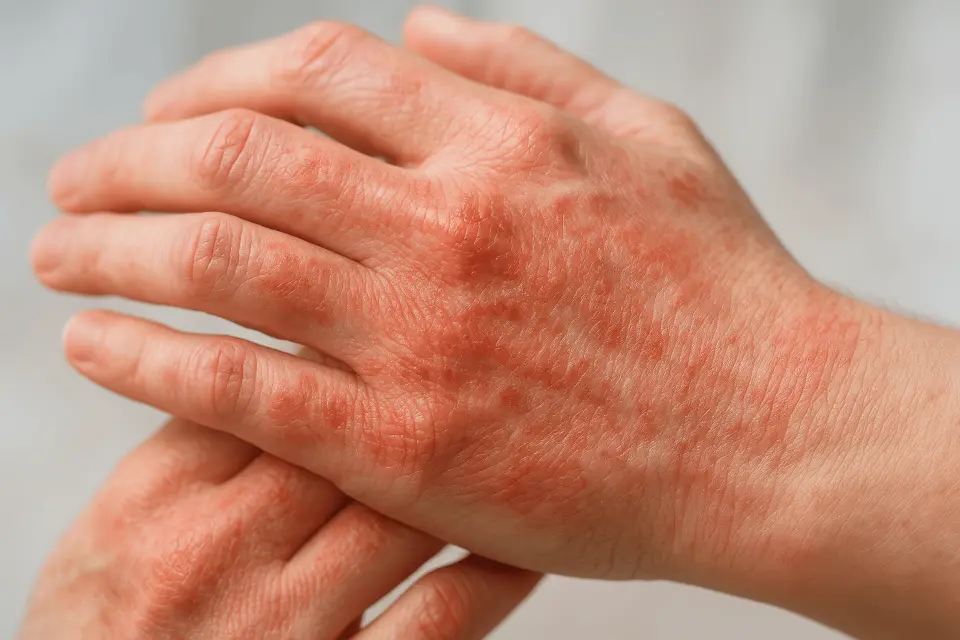
Eczema, also known as atopic dermatitis, affects millions of people worldwide. It is a chronic condition that causes the skin to become dry, itchy, and inflamed. The discomfort can range from mild irritation to severe pain, often disrupting sleep and daily activities. While eczema is not contagious, it can significantly affect a person’s quality of life.
The exact cause of eczema is complex, involving genetic and environmental factors. People with eczema often have a sensitive immune system that overreacts to triggers such as allergens, irritants, or stress. Recognizing these triggers and managing symptoms early is key to preventing flare-ups.
What Causes Eczema and How It Affects Daily Life
In addition to physical symptoms, eczema can also have emotional and psychological effects. Many individuals with eczema experience feelings of embarrassment or self-consciousness due to the visible nature of their skin condition. This can lead to social withdrawal or anxiety, particularly in children who may face bullying or teasing from peers. The emotional toll of living with eczema is often overlooked, yet it is an important aspect of the condition that deserves attention and support.
The management of eczema often requires a multifaceted approach. This may include the use of moisturizers, topical corticosteroids, and other medications prescribed by healthcare professionals. Lifestyle modifications, such as adopting a gentle skincare routine and avoiding known triggers, can also play a crucial role in controlling symptoms. Patients are encouraged to maintain open communication with their healthcare providers to develop a personalized management plan that addresses both the physical and emotional aspects of living with eczema.
Effective Strategies for Treating Eczema
Moisturizing: The Foundation of Eczema Care
Keeping the skin well-moisturized is essential for managing eczema. Dry skin is more prone to cracking and irritation, which worsens symptoms. Use thick, fragrance-free creams or ointments several times a day, especially after bathing. The choice of moisturizer can make a significant difference; many dermatologists recommend products containing ceramides, which help restore the skin barrier and retain moisture more effectively.
Choose products labeled for sensitive skin or eczema.
Apply moisturizer while the skin is still damp to lock in hydration.
Avoid lotions with alcohol or fragrances that can irritate sensitive skin.
In addition to traditional moisturizers, consider incorporating occlusive agents like petroleum jelly or mineral oil, which can create a protective layer on the skin, preventing moisture loss. Regularly scheduled moisturizing routines can significantly improve the skin's overall health, leading to fewer flare-ups and a more comfortable daily life.
Avoiding Triggers That Worsen Symptoms
Identifying and avoiding triggers can reduce the frequency and severity of eczema flare-ups. Common triggers include:
Harsh soaps and detergents
Wool or synthetic fabrics
Extreme temperatures and sweating
Stress and certain foods
Keeping a diary of flare-ups can help pinpoint personal triggers. Once identified, minimizing exposure is the best way to prevent irritation. For instance, switching to hypoallergenic laundry detergents and using fragrance-free cleaning products can create a more skin-friendly environment. Wearing breathable, loose-fitting clothing made from natural fibers like cotton can help reduce skin irritation caused by friction and heat.
 Medications and Treatments for Flare-Ups
When eczema flares, medical treatments can help control inflammation and itching. Over-the-counter options include hydrocortisone creams, but stronger prescription medications may be necessary for severe cases. It's crucial to follow a healthcare provider’s recommendations regarding the duration and frequency of these treatments to avoid potential side effects.
Topical corticosteroids reduce inflammation quickly.
Calcineurin inhibitors are alternatives for sensitive areas like the face.
Antihistamines can help relieve itching, especially at night.
For persistent or severe eczema, doctors might recommend phototherapy or systemic medications. Phototherapy involves controlled exposure to ultraviolet light, which can help reduce inflammation and skin cell turnover. Systemic treatments, such as biologics, target specific pathways in the immune system that contribute to eczema. Consulting a healthcare provider is important to tailor treatment safely, ensuring that the chosen approach aligns with the individual's specific symptoms and lifestyle needs.
How Telehealth Can Help Manage Eczema
Accessing Expert Care Anytime, Anywhere
Telehealth platforms like Doctronic.ai offer a convenient way to get expert advice on eczema without leaving home. This is especially useful for those who live in areas with limited dermatology services or have busy schedules.
Doctronic’s AI-powered system provides fast, accurate answers based on the latest medical research. You can receive a diagnosis, treatment recommendations, and even schedule video visits with licensed doctors for personalized care. This approach saves time and reduces the stress of managing eczema flare-ups.
Benefits of Using AI-Driven Telehealth for Skin Conditions
Immediate responses to health questions, helping you act quickly.
Access to up-to-date, peer-reviewed medical information.
Personalized care that remembers your history and preferences.
Affordable telehealth visits under $40, available 24/7 across all 50 states.
Using telehealth for eczema management can improve outcomes by ensuring timely treatment and ongoing support.
Daily Habits to Support Healthy Skin
Gentle Skin Care Routine
Adopting a gentle skin care routine helps maintain the skin barrier and prevent irritation. Use mild, fragrance-free cleansers and avoid hot water, which can dry out the skin further. Pat the skin dry instead of rubbing, and moisturize immediately afterward.
Clothing and Environment Tips
Wear soft, breathable fabrics like cotton to reduce irritation. Keep your living space humidified during dry seasons to prevent skin dryness. Avoid exposure to harsh chemicals or allergens when possible.
Stress Management and Lifestyle
Stress can trigger or worsen eczema flare-ups. Incorporate relaxation techniques such as deep breathing, meditation, or gentle exercise into your routine. Eating a balanced diet and staying hydrated also supports skin health.
When to See a Doctor for Eczema
While many cases of eczema can be managed at home, certain signs indicate the need for professional evaluation:
Severe itching or pain that disrupts sleep
Signs of infection, such as redness, swelling, or pus
Widespread rash or rapid worsening of symptoms
Ineffectiveness of over-the-counter treatments
Using telehealth services like Doctronic.ai allows you to quickly connect with healthcare providers who can assess your condition and recommend appropriate treatment or referrals.
Key Points to Remember for Eczema Relief
Managing eczema requires a combination of good skin care, avoiding triggers, and timely medical treatment. Moisturizing regularly and choosing gentle products lay the groundwork for healthier skin. Recognizing flare-up triggers and minimizing exposure can reduce discomfort.
When symptoms worsen, medications prescribed by a healthcare professional can provide relief. Telehealth platforms such as Doctronic.ai make it easier to access expert care anytime, helping you stay on top of your condition without hassle.
By adopting these strategies and seeking help when needed, eczema sufferers can find lasting relief and improve their daily comfort.
Frequently Asked Questions
There is currently no cure for eczema, but the condition can be effectively managed with proper skin care and treatment to minimize symptoms and flare-ups.
Look for thick, fragrance-free creams or ointments designed for sensitive skin. Ingredients like ceramides and petrolatum help restore the skin barrier.
Some people find relief using natural oils like coconut oil or oatmeal baths, but these should be used cautiously and not replace medical treatments.
If over-the-counter creams do not control symptoms or if eczema is severe, a doctor can prescribe stronger medications to reduce inflammation and itching.
Telehealth services provide quick access to medical advice and treatment recommendations, allowing you to manage flare-ups promptly and conveniently from home.
References
Related articles

How to Calm an Anxiety Attack: Techniques That Work in the Moment

Melasma vs. Hyperpigmentation: Key Differences and Treatment Approaches

Sun Allergy: Why Your Skin Reacts to UV and How to Manage It
Poison Ivy Rash Stages: What to Expect from Day 1 to Full Healing

Can Allergies Make You Feel Sick? Spring Allergy Symptoms That Mimic Illness


Supplements for Depression: What the Evidence Says About Natural Options

Plantar Fasciitis Treatment: A Runner's Guide to Getting Back on Your Feet

Poison Ivy Rash Treatment: Home Remedies vs. Medical Care
Get skin care advice
Chat Now