

How to Prevent Hair Loss
Understanding Hair Loss and Its CausesHair loss affects millions of people worldwide, impacting confidence and quality of life. It can begin gradually or suddenly, depending [...]
Read More
Medically reviewed by Alan Lucks | MD, Alan Lucks MDPC Private Practice - New York on January 5th, 2026. Updated on April 30th, 2026
Understanding the common causes of hair loss is essential for effective prevention.
Healthy lifestyle choices, including diet and stress management, play a significant role in maintaining hair health.
Proper hair care routines can reduce damage and slow hair thinning.
Medical evaluation and early intervention can help address underlying conditions causing hair loss.
Telehealth services like Doctronic.ai provide accessible expert advice for hair loss concerns.
Hair loss affects millions of people worldwide, impacting confidence and quality of life. It can begin gradually or suddenly, depending on the cause. Understanding why hair falls out is the first step toward prevention.
Several factors contribute to hair loss, including genetics, hormonal changes, medical conditions, medications, and lifestyle habits. Male and female pattern baldness, known medically as androgenetic alopecia, is the most common cause and tends to run in families.
Genetics plays a major role in hair loss. If close relatives experience thinning or baldness, there is a higher chance of developing similar patterns. Hormonal shifts, such as those during pregnancy, menopause, or thyroid disorders, can also trigger hair shedding. For instance, during pregnancy, women experience a surge in hormones that can temporarily prevent hair loss, but after childbirth, the sudden drop in these hormones can lead to significant shedding, often referred to as postpartum hair loss. Conditions like polycystic ovary syndrome (PCOS) can lead to hormonal imbalances that exacerbate hair thinning in women.
Conditions like alopecia areata, scalp infections, and autoimmune diseases can cause hair loss. Alopecia areata, in particular, is characterized by sudden, patchy hair loss and can affect individuals of any age. Certain medications, including chemotherapy drugs, blood thinners, and some antidepressants, may lead to temporary or permanent hair thinning. It's crucial for patients undergoing treatment for serious conditions to discuss potential side effects with their healthcare provider, as there may be alternative therapies that have a lower risk of impacting hair health.
Stress, poor nutrition, and harsh hair treatments can weaken hair follicles. Chronic stress triggers the release of cortisol, which can disrupt the hair growth cycle and lead to increased shedding. A balanced diet rich in vitamins and minerals, particularly biotin, zinc, and iron, is essential for maintaining healthy hair. Excessive heat styling, chemical treatments, and tight hairstyles contribute to breakage and traction alopecia, a type of hair loss caused by pulling on the hair. To mitigate these effects, individuals are encouraged to adopt gentler hair care routines, including using heat protectants, opting for natural hair products, and allowing hair to rest from tight styles to promote healthier growth.
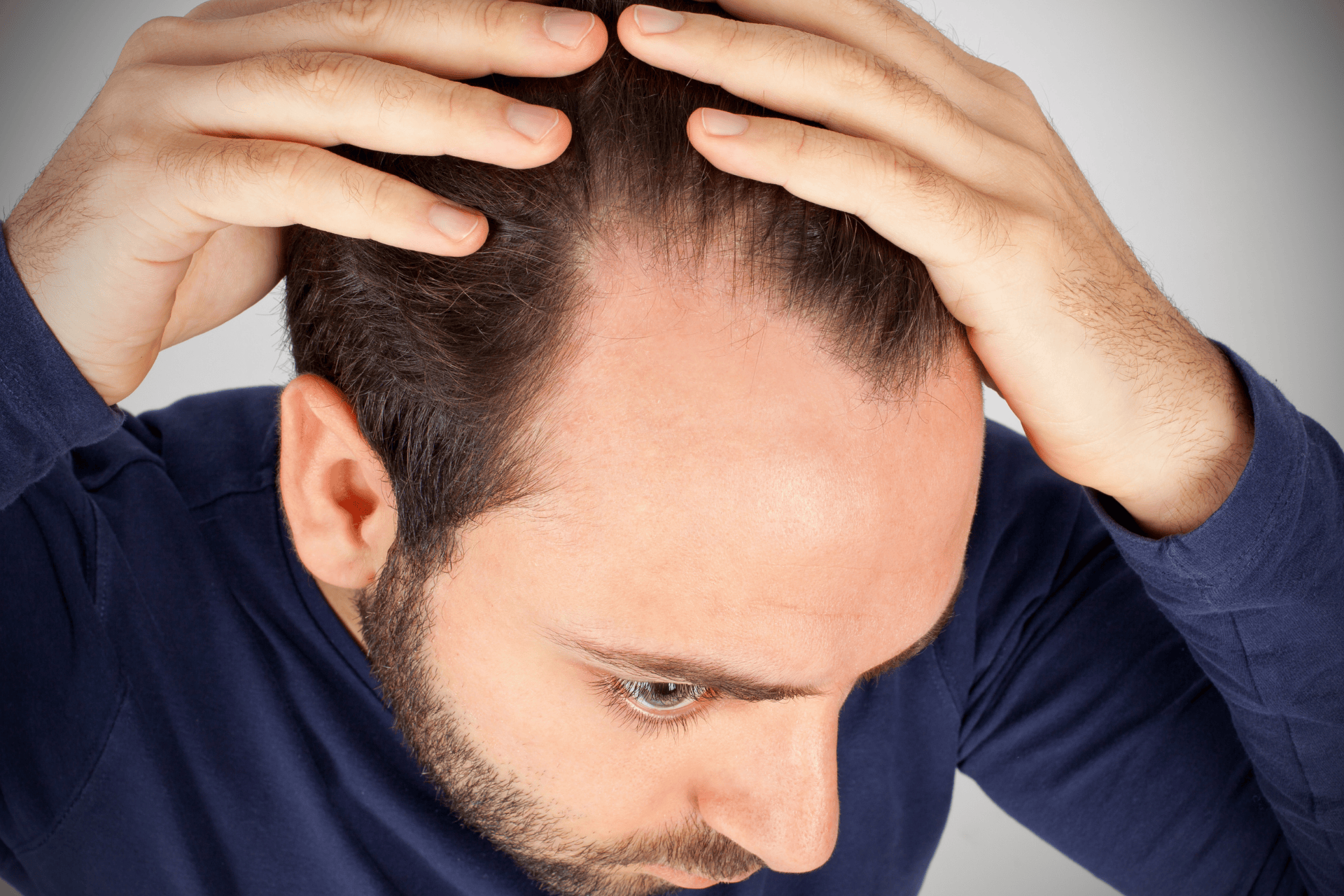 Healthy Habits to Support Hair Growth
Adopting healthy lifestyle habits can help maintain strong, vibrant hair and reduce the risk of hair loss. These habits focus on nourishing your body and minimizing damage to hair strands and follicles.
Hair needs a variety of nutrients to grow and stay healthy. Protein, iron, zinc, and vitamins A, C, D, and E are vital. Eating a diet rich in fruits, vegetables, lean meats, and whole grains supports hair growth.
Protein: Hair is primarily made of keratin, a protein, so adequate intake is essential.
Iron: Low iron levels can lead to hair thinning, especially in women.
Vitamins: Vitamin D deficiency has been linked to hair loss, while antioxidants like vitamin C protect follicles from damage.
Chronic stress disrupts the hair growth cycle, causing more hairs to enter the shedding phase. Techniques such as meditation, exercise, and adequate sleep help regulate stress hormones and support hair health.
Keeping the scalp clean and hydrated promotes a healthy environment for hair follicles. Use gentle shampoos and avoid overwashing, which can strip natural oils. Massaging the scalp can improve blood flow and stimulate growth.
How hair is treated daily has a significant impact on its strength and longevity. Simple changes in hair care routines can prevent unnecessary damage and slow hair loss.
Limit the use of chemical relaxers, dyes, and bleaching agents, which weaken hair shafts. When using heat tools like blow dryers or straighteners, apply heat protectant sprays and keep temperature settings moderate.
Tight ponytails, braids, or buns pull on hair roots and can cause traction alopecia over time. Opt for looser styles and use soft hair ties to reduce tension.
Trimming hair regularly prevents split ends, which can travel up the hair shaft, causing breakage. Washing hair with lukewarm water and using conditioner helps maintain moisture balance.
Persistent or sudden hair loss should be evaluated by a healthcare provider to identify underlying causes and receive appropriate treatment. Early diagnosis improves outcomes.
Rapid or patchy hair loss
Itching, redness, or scaling of the scalp
Hair loss accompanied by other symptoms like fatigue or weight changes
Accessing expert medical advice has never been easier. Doctronic.ai offers affordable telehealth video visits with licensed doctors 24/7 across all 50 states. This means you can get personalized guidance on hair loss concerns without leaving home.
Doctronic’s AI-powered system provides fast, evidence-based answers and remembers your medical history to deliver personalized care. Whether you want a second opinion or need treatment recommendations, this service is a reliable resource for managing hair health.
Treatment depends on the cause and severity of hair loss. Some approaches include topical solutions, medications, and lifestyle adjustments.
Minoxidil is a widely used topical treatment that can slow hair loss and promote regrowth in some cases. Prescription medications like finasteride are also options for certain types of hair loss, but require medical supervision.
Some people find benefits from supplements such as biotin or saw palmetto, though scientific evidence varies. Always consult a healthcare provider before starting new supplements to avoid interactions or side effects.
In more severe cases, treatments like platelet-rich plasma (PRP) injections or hair transplant surgery might be considered. These options should be discussed with a specialist.
Preventing hair loss is an ongoing process. Consistency with healthy habits, regular medical checkups, and mindful hair care helps preserve hair density and appearance over time.
Keep track of any changes in hair texture, density, or scalp condition. Adjust your routine as needed and seek medical advice when new symptoms arise.
Research and new treatments for hair loss continue to emerge. Staying informed through trusted sources and consulting healthcare professionals ensures you receive the best care possible.
Preventing hair loss begins with understanding the factors that affect hair growth and making informed choices. Healthy habits, careful hair care, and timely medical advice can make a significant difference. For those seeking expert guidance without the hassle of in-person visits, Doctronic.ai offers a convenient, affordable way to connect with doctors who can help tailor a plan for your hair health needs.
Yes, significant or chronic stress can push hair follicles into a shedding phase, leading to noticeable hair loss. Managing stress is important for overall hair health.
It depends on the cause. Temporary hair loss from stress, illness, or medication often improves once the trigger is addressed. Genetic hair loss is usually permanent, but can be managed with treatment.
Some natural supplements may support hair health, but evidence varies. It is best to discuss any remedies with a healthcare provider to ensure safety and effectiveness.
Telehealth platforms like Doctronic.ai allow you to consult licensed doctors remotely for hair loss evaluation and advice.
Eating a balanced diet, managing stress, avoiding harsh hair treatments, and practicing gentle hair care all contribute to reducing hair loss risk.
Preventing hair loss starts with understanding its causes, from genetics and hormones to stress, nutrition, and daily hair-care habits. A healthy lifestyle, gentle hair routines, and early medical evaluation can make a meaningful difference in maintaining strong, healthy hair. If you're unsure what’s triggering your hair loss or need personalized guidance, Doctronic.ai offers fast, affordable telehealth support and AI-powered insights to help you get answers and create an effective prevention plan.
Understanding Hair Loss and Its CausesHair loss affects millions of people worldwide, impacting confidence and quality of life. It can begin gradually or suddenly, depending [...]
Read More
Join 50,000+ readers using Doctronic to understand symptoms, medications,
and next steps.
Add your phone number below to get health updates and exclusive VIP offers.
By providing your phone number, you agree to receive SMS updates from Company. Message and data rates may apply. Reply “STOP” to opt-out anytime. Read our Privacy Policy and Terms of Service for more details.
Save your consults. Talk with licensed doctors and manage your health history.
