

How to Administer Zepbound Safely
How Weight Loss on Zepbound Supports Metabolic Health and Long-Term WellnessIn addition to supporting substantial weight loss, Zepbound may lead to secondary improvements in [...]
Read More
Medically reviewed by Alan Lucks | MD, Alan Lucks MDPC Private Practice - New York on November 24th, 2025.
Tirzepatide activates both GIP and GLP-1 receptors simultaneously, making it more effective than single-receptor medications like semaglutide for appetite suppression and delayed gastric emptying.
Weekly subcutaneous injections rotate between three sites—abdomen (fastest absorption), thigh, and upper arm—with each injection spaced at least 1 inch from the previous location to prevent lipodystrophy.
Dosing starts at 2.5mg weekly for 4 weeks, then escalates by 2.5mg increments monthly up to a maximum of 15mg, allowing the digestive system to adapt gradually.
Contraindications include personal or family history of medullary thyroid carcinoma and multiple endocrine neoplasia syndrome type 2 due to potential thyroid C-cell tumor risk observed in animal studies.
Nausea affects up to 12-29% of patients initially but typically resolves within 4-8 weeks as tolerance develops; eating smaller, low-fat meals and injecting before bedtime can minimize discomfort.
In addition to supporting substantial weight loss, Zepbound may lead to secondary improvements in certain metabolic markers simply because losing weight can benefit overall metabolic health. Excess weight is strongly linked to issues such as elevated blood sugar and unfavorable lipid levels, so weight reduction achieved with Zepbound may help improve these obesity-related risk factors. However, Zepbound itself is not approved to treat diabetes, high cholesterol, or cardiovascular disease. Combining the medication with healthy dietary choices and regular physical activity can further enhance its effectiveness and support long-term well-being
The integration of technology in healthcare, such as telehealth platforms, offers patients greater accessibility to medical advice and support. With the rise of virtual consultations, individuals can easily connect with healthcare professionals to discuss their progress, address concerns, and receive personalized guidance on managing their weight and associated conditions. This modern approach not only fosters a sense of community and accountability but also empowers patients to take a proactive role in their health journey, making it easier to adhere to treatment plans and achieve their health goals.
 Understanding Zepbound: What It Is and How It Works
Zepbound, also known by its generic name tirzepatide, is an FDA-approved medication designed for adults struggling with obesity or being overweight. It’s also approved for treating moderate to severe obstructive sleep apnea (OSA) when linked to obesity. Unlike traditional sleep medications, Zepbound doesn’t directly affect the brain’s sleep centers. Instead, it helps reduce weight, which in turn eases OSA symptoms by decreasing fat deposits around the airway. This innovative approach not only addresses the immediate concerns of weight management but also contributes to a broader spectrum of health benefits, including improved cardiovascular health and enhanced overall well-being.
Zepbound activates two hormone pathways, GIP and GLP-1, that naturally regulate appetite, digestion, insulin release, and feelings of fullness. Reducing hunger and slowing stomach emptying helps patients eat less and feel satisfied longer. This mechanism supports significant, sustained weight loss, which is crucial for improving metabolic health and conditions related to obesity. Zepbound’s main effect is significant weight loss, and weight reduction itself can improve many obesity-related health issues. As people lose weight, they may see improvements in markers such as blood pressure and cholesterol, which are important risk factors for heart disease. However, Zepbound is not specifically approved to treat high blood pressure, high cholesterol, or to reduce cardiovascular events; these benefits are considered secondary to weight loss. The medication's ability to enhance metabolic functions can also result in increased energy levels, allowing individuals to engage in more physical activity. This holistic approach to treatment underscores the importance of addressing obesity not merely as a weight issue but as a complex health condition that requires comprehensive management strategies.
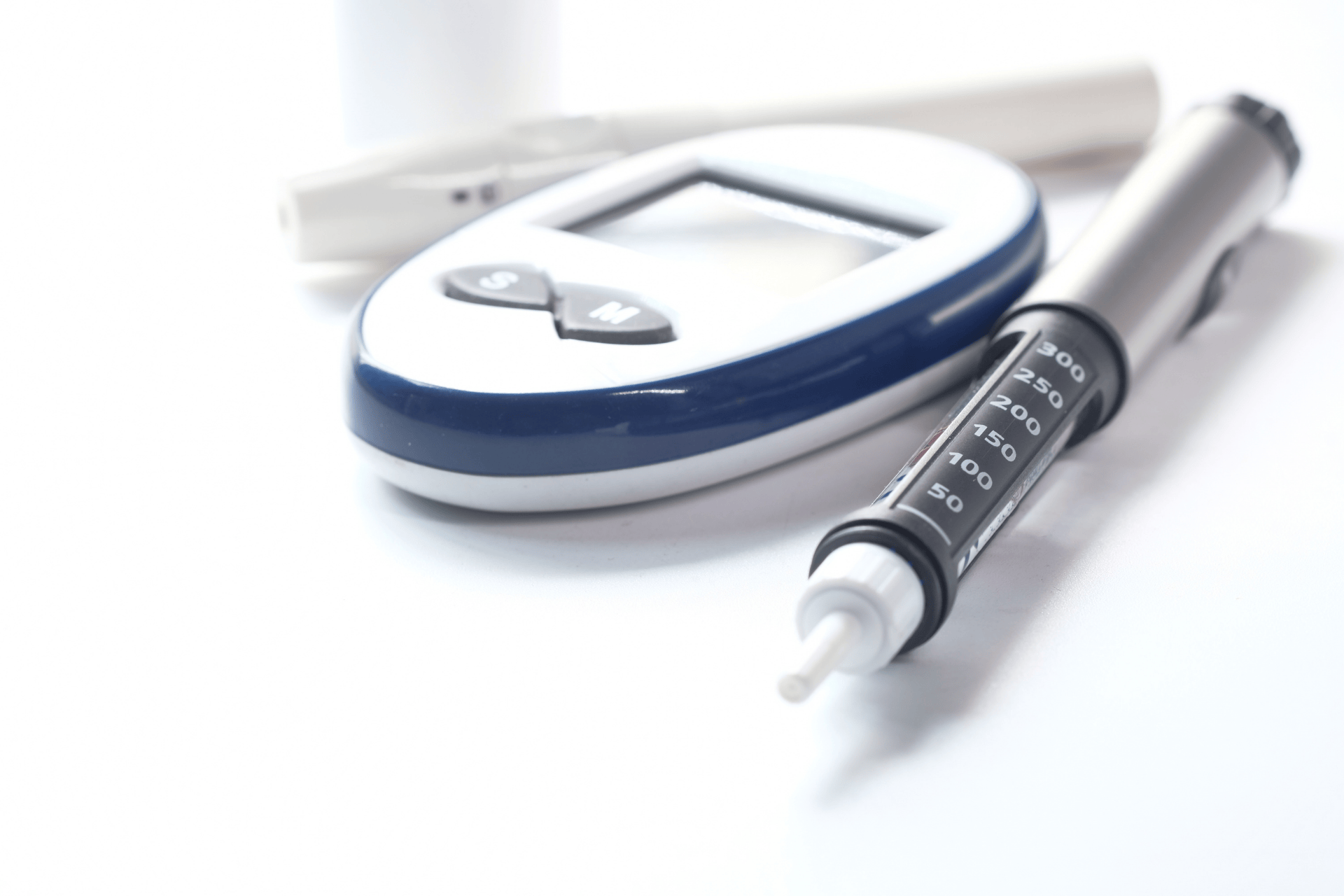
Zepbound is administered as a once-weekly injection, usually under the skin (subcutaneous). Before starting, patients should receive clear instructions from their healthcare provider. It’s important to store the medication properly, typically refrigerated, and to allow it to reach room temperature before injection to minimize discomfort.
Choose a clean, comfortable spot for the injection, such as the abdomen, thigh, or upper arm. Rotate injection sites each week to avoid irritation. Use a new needle for each dose, and follow proper hygiene by washing hands and cleaning the injection site with an alcohol swab. Inject the medication slowly and steadily, then dispose of needles safely.
Consistency is key. Taking Zepbound on the same day each week helps maintain stable drug levels and maximize effectiveness. If a dose is missed, contact your healthcare provider or use telehealth services like Doctronic.ai for guidance on how to proceed safely.
Many patients experience mild side effects such as nausea, reduced appetite, diarrhea, constipation, or abdominal discomfort. These often improve over time as the body adjusts. Staying hydrated and eating smaller, balanced meals can help manage these symptoms.
If side effects become severe or persistent, or if you experience symptoms like rapid heartbeat, severe abdominal pain, or signs of an allergic reaction, seek medical attention promptly. Telehealth platforms like Doctronic.ai offer quick access to healthcare professionals who can assess your symptoms and advise on next steps.
Zepbound is not suitable for everyone. Individuals with a personal or family history of medullary thyroid carcinoma (MTC) or multiple endocrine neoplasia syndrome type 2 (MEN2) should avoid this medication due to potential risks. Those with OSA caused by anatomical issues rather than obesity may not benefit from Zepbound.
Before starting Zepbound, provide your healthcare provider with a full medical history, including any thyroid conditions, allergies, or other medications you are taking. This helps ensure safe use and reduces the risk of adverse effects.
Zepbound works best when paired with healthy lifestyle habits. Adopting a balanced diet rich in nutrients and engaging in regular physical activity can enhance weight loss and improve overall health. These changes also help maintain results long-term.
Ongoing monitoring with your healthcare provider is essential. Regular check-ins allow for dosage adjustments, side effect management, and tracking progress. Telehealth services like Doctronic.ai make it easier to stay connected with medical professionals without leaving home.
 Safe Zepbound Use
Administering Zepbound safely requires attention to detail, adherence to prescribed schedules, and open communication with healthcare providers. This medication offers a powerful tool for weight management and improving obesity-related conditions like OSA, but it’s not a standalone solution. Combining Zepbound with lifestyle changes and professional support maximizes benefits and minimizes risks.
For anyone considering or currently using Zepbound, leveraging telehealth platforms such as Doctronic.ai provides convenient access to expert medical advice. This ensures you get personalized care tailored to your unique health needs, anytime and anywhere.
Zepbound is administered once a week as a subcutaneous injection. Consistency in timing helps maintain stable medication levels.
No. Zepbound is contraindicated for individuals with a personal or family history of medullary thyroid carcinoma (MTC) or multiple endocrine neoplasia syndrome type 2 (MEN2).
If you miss a dose, contact your healthcare provider promptly. Telehealth services like Doctronic.ai can provide quick guidance on how to safely resume your medication.
Yes. Seek immediate medical attention if you experience severe abdominal pain, rapid heartbeat, or signs of an allergic reaction such as swelling or difficulty breathing.
Zepbound improves obstructive sleep apnea by promoting weight loss, which reduces airway obstruction. It does not act as a sleep medication or directly regulate sleep patterns.
Successful treatment requires strict adherence to the escalation schedule and proper injection technique to maximize weight loss while minimizing side effects. Store pens refrigerated until first use, then can be kept at room temperature for up to 21 days. If you're experiencing persistent side effects or have questions about injection technique, Doctronic can provide personalized guidance to optimize your treatment plan.
How Weight Loss on Zepbound Supports Metabolic Health and Long-Term WellnessIn addition to supporting substantial weight loss, Zepbound may lead to secondary improvements in [...]
Read More