

How Long Does It Take for Minoxidil to Work?
Understanding How Minoxidil WorksMinoxidil is a topical medication widely used to treat hair loss, especially androgenetic alopecia, commonly known as male or female pattern [...]
Read More
Medically reviewed by Alan Lucks | MD , Alan Lucks MDPC Private Practice - New York on January 4th, 2026. Updated on April 30th, 2026
Minoxidil typically shows visible hair growth results within 3 to 6 months of consistent use. Initial shedding is common and signals that the treatment is activating hair follicles. Effectiveness varies by individual, depending on factors like age, genetics, and the extent of hair loss. Continued use is necessary to maintain results; stopping treatment usually leads to hair loss resuming. Consulting with a healthcare provider, including telehealth services like Doctronic.ai, can help tailor treatment and manage expectations.
Minoxidil is a topical medication widely used to treat hair loss, especially androgenetic alopecia, commonly known as male or female pattern baldness. Originally developed as a blood pressure medication, it was discovered that minoxidil stimulates hair growth as a side effect. Today, it is one of the few FDA-approved treatments for hair loss available over the counter.
The medication works by increasing blood flow to hair follicles, which can help revitalize shrunken hair follicles and prolong the growth phase of the hair cycle. This process encourages thicker, fuller hair to grow over time. However, minoxidil does not cure baldness or reverse hair loss permanently. Instead, it supports hair growth as long as it is used continuously.
Hair grows in cycles consisting of three phases: anagen (growth), catagen (transition), and telogen (resting). Minoxidil primarily extends the anagen phase, allowing hair to grow longer and thicker. It also helps follicles that have shrunk due to hormonal changes to enlarge again, producing stronger hair strands.
Understanding this cycle is important because hair growth is naturally slow, and visible changes take time. Patience and consistent application of minoxidil are key to seeing results. Typically, users may start to notice initial signs of hair regrowth after about two to four months of regular use, although optimal results often take six months to a year. It’s also worth noting that individual responses to minoxidil can vary; some may experience significant improvement, while others may see minimal effects. Factors such as genetics, the extent of hair loss, and adherence to the treatment regimen can all influence outcomes.
Minoxidil is available in various formulations, including liquid solutions and foam, allowing users to choose the method that best suits their lifestyle and preferences. The foam version is often favored for its ease of application and quicker drying time, while the liquid solution may be more effective for some users due to its ability to penetrate the scalp more deeply. Regardless of the formulation, it is essential to apply minoxidil to a clean, dry scalp to maximize absorption and effectiveness.
Most users begin to notice some changes after about 3 to 4 months of daily use. However, significant visible improvement usually takes 6 months or longer. This timeline can vary widely depending on individual factors such as age, the severity of hair loss, and how early treatment begins. It's essential to approach this treatment with patience, as hair growth is a gradual process, and results can differ from person to person. Some users may even find that their hair begins to thicken or fill in more noticeably after the 8- to 12-month mark, particularly if they remain consistent with their application routine.
During the first few weeks, some people experience increased hair shedding. This can be alarming, but it is often a sign that the medication is working by pushing out old hairs to make way for new growth. It’s important to remember that this shedding phase is a normal part of the process and should not deter users from continuing their treatment. Many find that keeping a journal of their progress helps them stay motivated, as they can track the gradual changes over time and celebrate small victories along the way.
Minoxidil accelerates the hair cycle, causing hairs in the resting phase to fall out sooner than they would naturally. This shedding is temporary and typically occurs within the first 2 months of treatment. After this phase, new, healthier hairs start to grow. The science behind this phenomenon is fascinating; minoxidil stimulates blood flow to the hair follicles, enhancing nutrient delivery and promoting a healthier environment for hair growth. Users often report that the new hairs that emerge are not only thicker but also have a more robust texture, contributing to an overall fuller appearance.
Consistency: Applying minoxidil twice daily as recommended is crucial for success. Missing doses can lead to inconsistent results, so establishing a routine can be beneficial.
Extent of Hair Loss: Those with mild to moderate hair loss often see better results than those with extensive baldness. Early intervention is key, as starting treatment sooner can significantly impact overall effectiveness.
Age: Younger individuals tend to respond better to treatment. This may be due to healthier hair follicles and a more active hair growth cycle.
Genetics: Family history can influence how well minoxidil works. If you have relatives who have had positive experiences with hair restoration, you might be more likely to see similar results.
Factors such as diet and overall health can play a role in the effectiveness of minoxidil. A balanced diet rich in vitamins and minerals, particularly those known to support hair health like biotin, zinc, and iron, can enhance the results of the treatment. Staying hydrated and managing stress levels are also crucial, as both dehydration and stress can negatively impact hair growth. Users should consider adopting a holistic approach to their hair care routine, combining minoxidil with healthy lifestyle choices for optimal results.
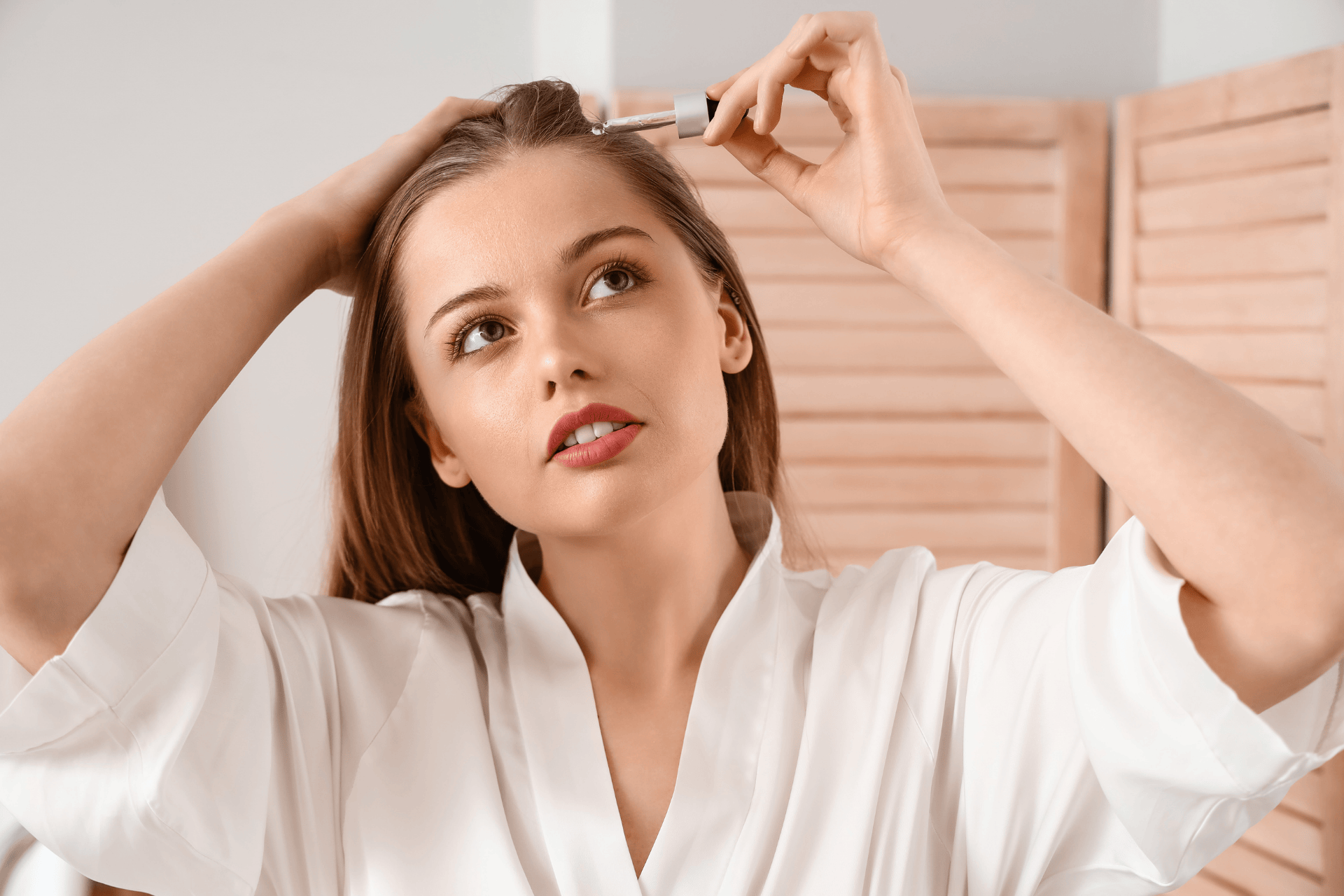 How to Use Minoxidil for Best Results
Minoxidil comes in liquid and foam forms. Both are effective when applied correctly. Follow these steps for optimal use:
Apply to a dry scalp twice daily, ideally morning and night.
Use the recommended amount, usually 1 milliliter per application.
Gently massage the product into the scalp to improve absorption.
Wash hands thoroughly after application to avoid unwanted hair growth elsewhere.
Stopping minoxidil often results in losing any newly regrown hair within several months. To maintain progress, consistent long-term use is necessary. If side effects like scalp irritation occur, consulting a healthcare provider is advisable.
While minoxidil is available over the counter, personalized guidance can improve outcomes and safety. If you experience persistent irritation, no improvement after 6 months, or if hair loss worsens, professional evaluation is important.
Telehealth platforms like Doctronic.ai offer convenient access to licensed doctors who can provide tailored advice, recommend alternative treatments, and monitor your progress without the need for in-person visits.
Access to expert medical advice anytime, anywhere.
Quick answers to questions about minoxidil use and side effects.
Ability to explore additional treatment options beyond minoxidil.
Privacy and comfort of consulting from home.
After 6 to 12 months of consistent minoxidil use, many users see noticeable thickening of hair and reduced hair loss. Some report new hair growth in previously thinning areas. However, results vary and are not guaranteed for everyone.
It is important to manage expectations and understand that minoxidil works best as part of a comprehensive hair care routine, which may include a healthy diet, stress management, and avoiding damaging hair practices.
Minoxidil requires patience; visible results take several months.
Initial shedding is normal and temporary.
Consistent twice-daily application is essential.
Long-term use is necessary to maintain hair growth.
Professional guidance can optimize treatment and address concerns.
Minoxidil remains a trusted and accessible option for many dealing with hair loss. Its ability to stimulate hair follicles and extend growth phases offers hope for thicker, fuller hair. The key is understanding that results take time and require ongoing commitment.
For those considering minoxidil or seeking guidance on hair loss treatment, consulting with a healthcare provider is a smart step. Telehealth services like Doctronic.ai make expert advice easy to access, helping users navigate their options safely and effectively.
Applying minoxidil more frequently than recommended does not speed up results and may increase the risk of side effects like scalp irritation.
Minoxidil is most effective for androgenetic alopecia. It may not work for hair loss caused by scarring, medical conditions, or certain medications.
Yes, minoxidil is approved for use in women, typically in a 2% or 5% formulation. Women should follow product instructions or consult a healthcare provider.
If you notice redness, itching, or unwanted hair growth in other areas, stop using minoxidil and consult a healthcare professional. Telehealth services like Doctronic.ai can provide quick medical advice.
Yes, hair loss typically resumes within months after stopping treatment, and any gains made will be lost.
Minoxidil takes time to work. Most people see noticeable results after 3 to 6 months of consistent use, with continued improvement over a year. Initial shedding is normal, and long-term use is essential to maintain results. For personalized guidance, realistic expectations, and help optimizing your hair loss plan, telehealth services like Doctronic.ai provide easy access to expert medical advice from the comfort of home.
Understanding How Minoxidil WorksMinoxidil is a topical medication widely used to treat hair loss, especially androgenetic alopecia, commonly known as male or female pattern [...]
Read More
Join 50,000+ readers using Doctronic to understand symptoms, medications,
and next steps.
Add your phone number below to get health updates and exclusive VIP offers.
By providing your phone number, you agree to receive SMS updates from Company. Message and data rates may apply. Reply “STOP” to opt-out anytime. Read our Privacy Policy and Terms of Service for more details.
Save your consults. Talk with licensed doctors and manage your health history.
