
How Long Does Baclofen Withdrawal Last?

Medically reviewed by Alan Lucks | MD, Alan Lucks MDPC Private Practice - New York on January 17th, 2026.
Published on January 17th, 2026. Updated on July 23rd, 2026.
Key takeaways
Baclofen withdrawal symptoms can begin within hours to days after stopping the medication and may last from several days to weeks.
The severity and duration of withdrawal depend on factors like dosage, duration of use, and individual health.
Common withdrawal symptoms include anxiety, insomnia, muscle spasms, and, in severe cases, hallucinations or seizures.
Medical supervision is essential when discontinuing baclofen to manage withdrawal safely.
Telehealth services like Doctronic.ai offer convenient access to professional guidance during baclofen withdrawal.
Baclofen Withdrawal Timeline: What to Expect and How to Cope
Understanding the timeline of baclofen withdrawal is crucial for anyone considering discontinuation of the medication. Symptoms can manifest quite rapidly, often catching individuals off guard. For some, the initial signs may include heightened anxiety or restlessness, which can exacerbate feelings of discomfort. As the body adjusts to the absence of baclofen, individuals may experience a range of physical symptoms, such as increased muscle tightness or spasms, which can be particularly distressing for those who relied on the medication for muscle relaxation. This period of adjustment can be challenging, and having a support system in place can make a significant difference.
Psychological Considerations During Baclofen Withdrawal
The psychological impact of withdrawal should not be underestimated. Many individuals report feelings of depression or mood swings, which can complicate the recovery process. It is essential to approach baclofen withdrawal with a comprehensive plan that includes both medical and psychological support. Engaging with healthcare professionals who understand the nuances of baclofen withdrawal can provide individuals with tailored strategies to cope with symptoms. Utilizing telehealth services not only enhances access to care but also offers comfort and privacy that can be beneficial during this sensitive time.
What Baclofen Is and Why Withdrawal Occurs
Baclofen is a muscle relaxant commonly prescribed to treat muscle spasticity caused by conditions such as multiple sclerosis or spinal cord injuries. While effective, baclofen can lead to physical dependence if used regularly over a long period. When someone stops taking baclofen suddenly or reduces the dose too quickly, withdrawal symptoms may occur.
Risks, Symptoms, and Timeline of Baclofen Withdrawal
Withdrawal from baclofen is not just uncomfortable; it can also be dangerous. Symptoms may range from mild to severe, making it important to understand how long withdrawal lasts and how to manage it safely. Common symptoms of baclofen withdrawal include anxiety, insomnia, and muscle spasms, but in more severe cases, individuals may experience hallucinations, seizures, or even a life-threatening condition known as delirium. The timeline for these symptoms can vary significantly among individuals, often beginning within hours of the last dose and peaking within 24 to 72 hours, underscoring the importance of a gradual tapering strategy under medical supervision.
Managing Baclofen Withdrawal Safely and Effectively
Managing baclofen withdrawal effectively often requires a comprehensive approach. Healthcare providers may recommend a slow tapering schedule to minimize withdrawal symptoms, allowing the body to adjust gradually to lower doses. Supportive therapies such as counseling or cognitive behavioral therapy can be beneficial in addressing the psychological aspects of withdrawal. Patients may also be advised to engage in relaxation techniques, such as yoga or meditation, to help alleviate anxiety and improve overall well-being during this challenging time. Understanding the potential for withdrawal and seeking appropriate medical guidance can significantly enhance the recovery experience, ensuring a safer transition off baclofen.
When Do Baclofen Withdrawal Symptoms Start?
Timing of Onset
Withdrawal symptoms typically begin within 24 to 72 hours after the last dose of baclofen. The exact timing varies depending on how long the medication has been used and the dose taken. People who have been on high doses or long-term treatment may notice symptoms sooner and with greater intensity.
Early Signs to Watch For
Anxiety and agitation
Insomnia or disturbed sleep
Increased muscle spasms or stiffness
Headaches and nausea
Recognizing these early signs is crucial to seeking timely medical advice and avoiding complications.
How Long Does Baclofen Withdrawal Last?
Typical Duration
The withdrawal period can last anywhere from a few days to several weeks. Most people experience the most intense symptoms during the first week, with gradual improvement afterward. Some symptoms, particularly psychological ones like anxiety or mood swings, may persist longer.
Factors Influencing Duration
Dosage: Higher doses generally lead to more prolonged withdrawal.
Duration of Use: Long-term users are more likely to experience extended withdrawal.
Individual Health: Age, overall health, and the presence of other medical conditions can affect recovery time.
Withdrawal Method: Gradual tapering of baclofen reduces withdrawal length and severity compared to abrupt cessation.
Common Symptoms During Baclofen Withdrawal
Physical Symptoms
Muscle stiffness and spasms
Fatigue and weakness
Headaches and dizziness
Nausea and vomiting
Mental and Emotional Symptoms
Anxiety and panic attacks
Insomnia and vivid dreams
Confusion or difficulty concentrating
Hallucinations or seizures in severe cases
Because these symptoms can be severe, medical supervision is recommended during withdrawal.
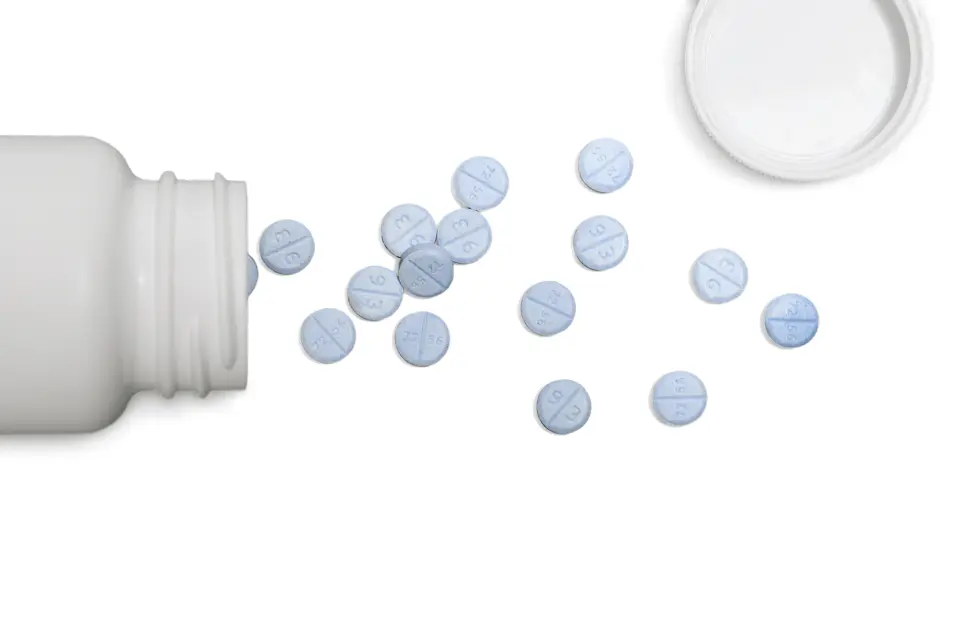 Managing Baclofen Withdrawal Safely
Gradual Tapering
The safest way to stop baclofen is by gradually reducing the dose under medical supervision. This tapering process helps minimize withdrawal symptoms and allows the body to adjust slowly.
Medical Support and Monitoring
Regular check-ins with a healthcare provider are important to monitor symptoms and adjust the tapering schedule if necessary. For those who cannot visit a doctor in person, telehealth platforms like Doctronic.ai provide 24/7 access to licensed physicians who can guide patients through withdrawal safely and conveniently.
Symptom Relief Strategies
Hydration and balanced nutrition
Rest and stress reduction techniques
Medications prescribed by a doctor to manage specific symptoms, such as anxiety or insomnia
When to Seek Immediate Medical Attention
Baclofen withdrawal can sometimes lead to serious complications. Seek emergency care if you experience:
Seizures or convulsions
Severe hallucinations or psychosis
Extreme confusion or inability to communicate
Uncontrollable muscle spasms or stiffness
These symptoms require prompt medical intervention to prevent lasting harm.
Get Baclofen online today
A licensed doctor can review your symptoms and, if appropriate, send a prescription for Baclofen to your pharmacy, often the same day.
- $39 video visit
- Insurance accepted
- 4.8 on Trustpilot
Related medications we prescribe
- Lioresal baclofen
- Zanaflex tizanidine
- Flexeril cyclobenzaprine
- Robaxin methocarbamol
- Dantrium dantrolene
- Tizanidine
How Telehealth Can Help During Baclofen Withdrawal
Accessing professional care during baclofen withdrawal is essential but can be challenging due to mobility issues or a lack of local specialists. Telehealth services like Doctronic.ai offer a practical solution by connecting patients with experienced doctors anytime, anywhere in the United States.
Doctronic’s AI-powered platform provides quick, personalized medical advice and can coordinate care with human doctors for video visits under $40. This approach ensures patients receive timely support, tailored treatment plans, and ongoing monitoring without leaving home.
Baclofen Withdrawal Duration
Baclofen withdrawal varies widely but generally lasts from a few days up to several weeks. Understanding the symptoms and timeline helps prepare for the process and encourages safe management through medical supervision. Gradual tapering combined with professional support reduces risks and improves comfort.
If you or a loved one is planning to stop baclofen, consider consulting a healthcare provider immediately. Telehealth platforms like Doctronic.ai make expert guidance accessible, helping navigate withdrawal with confidence and care.
Frequently Asked Questions
While rare, severe baclofen withdrawal can cause life-threatening symptoms such as seizures or psychosis. Medical supervision is crucial to prevent complications.
The best way is to taper off baclofen gradually under a doctor’s guidance. Supportive care, like hydration, rest, and symptom-specific medications, also helps.
No, abrupt cessation increases the risk of severe withdrawal symptoms. Always consult a healthcare provider before stopping baclofen.
Yes, services like Doctronic.ai offer convenient access to medical professionals who can guide you safely through withdrawal.
Baclofen has a half-life of about 3 to 4 hours, but withdrawal symptoms last longer due to physical dependence and brain chemistry adjustments.
References
Baclofen Withdrawal & Detox: Symptoms, Timeline and Treatment - The Recovery Village
Baclofen Withdrawal Symptoms, Timeline, and Treatments - Southeast Addiction Center
The Bottom Line
Baclofen withdrawal usually lasts from a few days to several weeks, with the first week being the most challenging. Tapering slowly and getting professional support greatly reduces risks. Telehealth platforms like Doctronic.ai make expert guidance accessible and convenient during this critical period.
Related articles

Get personalized health advice
Chat Now