

How Long Does a COVID Cough Last?
Understanding the Nature of a COVID CoughA cough is one of the hallmark symptoms of COVID-19, often appearing early in the course of the infection. Unlike a simple cold or [...]
Read More
Medically reviewed by Alan Lucks | MD, Alan Lucks MDPC Private Practice - New York on February 10th, 2026.
A COVID-19 cough can persist beyond the acute infection phase, often lasting several weeks.
Duration varies widely depending on individual health, severity of illness, and presence of lingering inflammation.
Understanding the typical timeline helps manage expectations and know when to seek medical advice.
Persistent cough after COVID may signal post-viral irritation or other complications requiring care.
Telehealth services like Doctronic.ai provide accessible evaluation and guidance for ongoing symptoms.
A cough is one of the hallmark symptoms of COVID-19, often appearing early in the course of the infection. Unlike a simple cold or flu cough, the COVID cough can be dry or produce mucus, and it may fluctuate in intensity over time. This cough results from the body’s immune response as it fights the virus, along with irritation and inflammation of the respiratory tract.
Since COVID-19 affects the lungs and airways, the cough can linger even after other symptoms like fever and fatigue have resolved. This lingering cough is common and can sometimes be frustrating for patients expecting a quick recovery. Many individuals report that the cough can be triggered by various factors, including changes in temperature, exposure to strong odors, or even physical activity, making it a persistent challenge in their daily lives.
The virus causes inflammation in the airways, which can take time to heal fully. Even after the virus is no longer active, the respiratory lining may remain sensitive and prone to coughing. This post-viral cough is similar to what happens after other respiratory infections, but can be more persistent with COVID-19. Research suggests that the severity of the initial infection may play a role in the duration and intensity of the cough, with those who experienced more severe symptoms often facing a longer recovery period.
Some people develop post-acute sequelae of SARS-CoV-2 infection (PASC), commonly known as long COVID, where symptoms like cough can last for months. This condition involves ongoing inflammation or immune system dysregulation. Patients with long COVID may also experience a range of other symptoms, including fatigue, brain fog, and difficulty breathing, which can further complicate their recovery. The multifaceted nature of these lingering symptoms has led to an increased focus on understanding long COVID, with ongoing research aimed at uncovering the underlying mechanisms and potential treatment options to support those affected.
During the initial infection, the cough usually starts within a few days of symptom onset. It may be accompanied by sore throat, fever, and fatigue. For most patients, the cough is at its worst during this period as the body actively fights the virus. This acute cough can be dry or productive, with some individuals experiencing a sensation of tightness in the chest. The virus-triggered inflammatory response can lead to increased mucus production, making it difficult for some patients to breathe comfortably. The psychological toll of dealing with a new and often frightening illness can exacerbate feelings of anxiety, which may further intensify the cough as stress can provoke airway constriction.
After the acute illness, many people notice their cough gradually improves but does not disappear immediately. This phase can last several weeks, with coughing episodes triggered by activity, cold air, or talking. The cough tends to be less severe but still noticeable. During this time, individuals may also experience lingering symptoms such as shortness of breath or a feeling of heaviness in the chest, which can be frustrating as they attempt to return to their normal routine. It is not uncommon for patients to report that their cough worsens in the evenings or during the night, disrupting sleep and impacting overall recovery. Staying hydrated and using humidifiers can help soothe the airways during this transitional phase, providing some relief from the persistent irritation.
For some individuals, the cough lasts longer than a month. This prolonged cough may be due to airway inflammation, damage to lung tissue, or heightened sensitivity of cough receptors. A persistent cough beyond 4 weeks is often classified as a post-viral cough. In this stage, individuals may also experience other symptoms, such as wheezing or a sensation of tightness in the chest, which may indicate underlying complications. It is essential to monitor these symptoms closely, as they may signal the need for further medical evaluation. Some patients may benefit from pulmonary rehabilitation or respiratory therapy, which can help strengthen lung function and improve overall respiratory health.
If the cough continues beyond 8 weeks, it is advisable to consult a healthcare provider to rule out other causes such as secondary infections, asthma, or lung complications. Healthcare professionals may recommend diagnostic tests such as chest X-rays or pulmonary function tests to assess lung health and determine the best course of action. They may suggest lifestyle modifications, such as avoiding irritants like smoke or strong fragrances, which can exacerbate coughing and promote a healthier recovery environment. Understanding the potential long-term effects of COVID-19 on respiratory health is crucial for patients as they navigate their recovery journey.
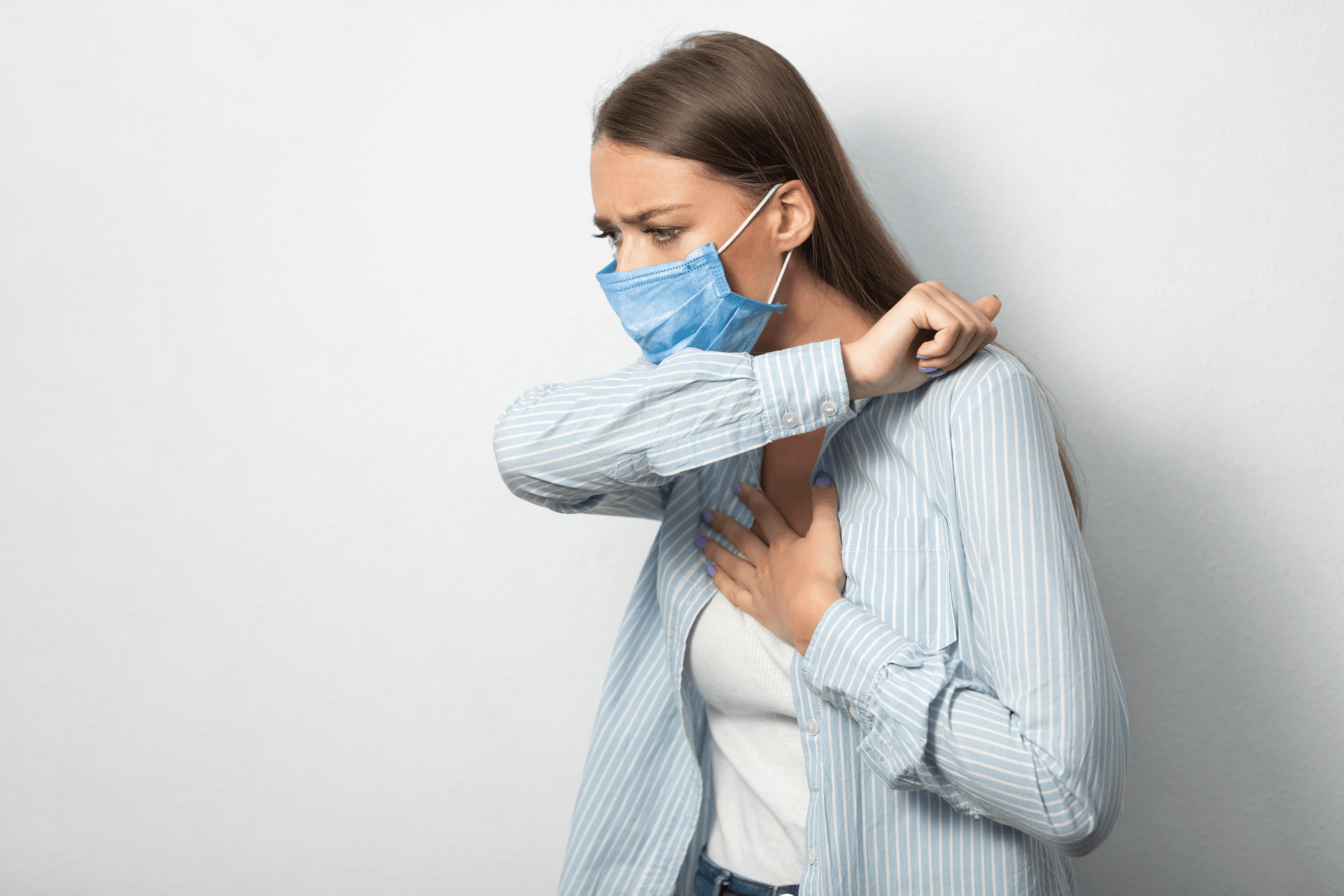 When to Seek Medical Advice for a COVID Cough
Cough accompanied by difficulty breathing or chest pain
Cough producing blood or large amounts of mucus
High fever that does not improve
Worsening cough after initial improvement
Persistent cough lasting more than 8 weeks
If any of these symptoms occur, prompt medical evaluation is important to identify complications such as pneumonia or other respiratory conditions.
Accessing care for a lingering COVID cough is easier than ever with telehealth options. Doctronic.ai offers convenient video visits with licensed doctors across all 50 states. For under $40, patients can receive expert advice, diagnosis, and treatment recommendations without leaving home.
Telehealth is especially valuable for those managing symptoms from home or seeking a second opinion on persistent cough symptoms. The AI-powered telehealth platform at Doctronic combines the latest medical research with personalized care, providing fast and accurate guidance tailored to each patient’s history.
Stay hydrated to keep throat tissues moist and reduce irritation.
Use a humidifier or inhale steam to soothe dry airways.
Avoid irritants such as smoke, strong perfumes, or cold air.
Rest your voice to prevent further throat strain.
Consider over-the-counter cough suppressants or throat lozenges for temporary relief.
If the cough is severe or disrupts sleep, a healthcare provider may recommend specific medications such as inhalers or corticosteroids to reduce airway inflammation. These treatments require medical supervision, which can be conveniently obtained via telehealth services like Doctronic.
People with asthma, chronic bronchitis, or other lung diseases may experience longer-lasting coughs after COVID. Their airways are more sensitive and prone to inflammation.
Those with mild cases often recover faster, while patients with moderate to severe illness, especially those requiring hospitalization, may have prolonged respiratory symptoms.
Vaccinated individuals tend to experience milder symptoms and shorter duration of cough compared to unvaccinated patients.
While a persistent cough can be frustrating, it often improves gradually with time and supportive care. Monitoring symptoms and seeking timely medical advice helps prevent complications. Telehealth platforms like Doctronic.ai make it easier to stay connected to healthcare professionals who understand the nuances of COVID recovery.
Most COVID-related coughs improve within 2 to 4 weeks, but some may persist for 8 weeks or longer, especially in cases of long COVID or airway inflammation.
The cough itself is not contagious, but the virus causing COVID-19 can be spread through respiratory droplets, especially during the early stages of infection.
Severe COVID-19 can lead to lung damage, but this is uncommon. Most people recover lung function over time with proper care.
Antibiotics do not treat viral infections like COVID-19. They are prescribed only if a bacterial infection is confirmed.
If your cough lasts more than 8 weeks, worsens, or is accompanied by severe symptoms like chest pain or difficulty breathing, seek medical evaluation promptly.
A COVID cough often lasts a few weeks but can persist longer due to lingering airway inflammation or long COVID. If the cough worsens, lasts beyond 8 weeks, or is accompanied by breathing difficulty or chest pain, seeking medical guidance through convenient telehealth services like Doctronic.ai can help ensure proper evaluation and recovery support.
Understanding the Nature of a COVID CoughA cough is one of the hallmark symptoms of COVID-19, often appearing early in the course of the infection. Unlike a simple cold or [...]
Read More