
How Exercise Impacts Weight Loss With GLP-1 Medications

Medically reviewed by Alan Lucks | MD, Alan Lucks MDPC Private Practice - New York on November 19th, 2025.
Published on November 18th, 2025. Updated on July 23rd, 2026.
Key takeaways
GLP-1 medications like semaglutide and tirzepatide can produce 15-20% weight loss alone, but adding structured exercise increases fat loss by an additional 3-5% while preserving lean muscle mass.
The optimal weekly routine combines 150 minutes of moderate cardio (brisk walking, cycling) with 2-3 resistance training sessions targeting major muscle groups to maximize metabolic benefits.
Patients maintaining muscle mass during weight loss keep their resting metabolic rate 200-300 calories higher per day compared to those who lose muscle along with fat.
Common side effects like nausea and fatigue affect 20-40% of users in the first 4-8 weeks, requiring a gradual exercise start with 10-15 minute sessions that slowly increase in duration and intensity.
Blood sugar levels may drop more significantly when combining intensive exercise with these medications, particularly important for diabetic patients who need closer glucose monitoring and potential insulin adjustments.
Questions about exercise and GLP-1 medications?
Free. Anonymous. Built by doctors.
This article covers general information. Ask Doctronic about your symptoms, medications, side effects, or treatment options.
If you are using GLP-1 medications to help with weight loss, you might wonder how exercise fits into the picture. GLP-1 drugs are changing the way people manage weight, but combining them with physical activity can make a big difference. This article explains how exercise and GLP-1 medications work together to help you lose weight more effectively.
 What Are GLP-1 Medications?
GLP-1, or glucagon-like peptide-1, medications are a newer type of treatment originally designed for diabetes. They help control blood sugar and also reduce appetite, which can lead to weight loss. These drugs mimic a natural hormone that slows digestion and makes you feel full longer.
People using GLP-1 medications often see steady weight loss, but the amount varies. These drugs are not magic pills, so lifestyle choices like diet and exercise still matter a lot.
In addition to their primary role in managing diabetes, GLP-1 medications have garnered attention for their potential benefits in cardiovascular health. Research indicates that these medications may reduce the risk of heart disease and stroke in individuals with type 2 diabetes, making them a multifaceted tool in the management of metabolic health. The ability of GLP-1 drugs to improve insulin sensitivity and lower blood pressure adds another layer of appeal, particularly for patients who may be at risk for cardiovascular complications.
Moreover, the growing popularity of GLP-1 medications has led to an increased interest in their long-term effects and safety profiles. Clinical trials are ongoing to better understand how these drugs interact with other medications and their impact on various populations, including those without diabetes. As healthcare providers continue to explore the full range of benefits and potential side effects, patients are encouraged to engage in open discussions about their treatment options, ensuring that they make informed decisions tailored to their individual health needs.
Why Exercise Still Matters When Using GLP-1 Medications
Exercise Boosts Fat Burning
GLP-1 medications help reduce hunger, but exercise helps your body burn calories and fat. When you move more, your metabolism speeds up. This means your body uses stored fat as energy, which supports weight loss. Additionally, engaging in aerobic activities such as running, cycling, or swimming can significantly enhance this fat-burning process. These exercises increase your heart rate and improve cardiovascular health, leading to more efficient fat oxidation. Over time, incorporating a variety of physical activities can also prevent plateaus in weight loss, keeping your journey dynamic and effective. Exercise should be done with medical supervision.
Exercise Preserves Muscle Mass
Sometimes, when people lose weight, they lose muscle as well as fat. Exercise, especially strength training, helps keep your muscles strong. This is important because muscle burns more calories than fat, even when you are resting. Furthermore, maintaining muscle mass is crucial for overall functionality and mobility as we age. Resistance training not only aids in muscle preservation but also enhances bone density, reducing the risk of osteoporosis. By integrating exercises that target all major muscle groups, you can create a balanced fitness routine that supports both weight loss and long-term health.
Improves Overall Health
Exercise helps your heart, lungs, and mood. It lowers the risk of many diseases and can improve your energy levels. When combined with GLP-1 medications, exercise supports a healthier lifestyle, making weight loss easier to maintain. Regular physical activity has also been shown to enhance cognitive function, reduce anxiety, and improve sleep quality. Engaging in group activities or classes can foster social connections, which are beneficial for mental health. Moreover, the release of endorphins during exercise can create a positive feedback loop, encouraging you to stay active and committed to your health goals.
Types of Exercise That Work Well With GLP-1 Medications
Cardio Exercises
Cardio activities like walking, jogging, cycling, or swimming increase your heart rate and burn calories. Aim for at least 150 minutes of moderate cardio per week for the best results.
Strength Training
Using weights or resistance bands helps build muscle. Try to include strength exercises two to three times a week. This helps keep your metabolism active and supports fat loss.
Flexibility and Balance
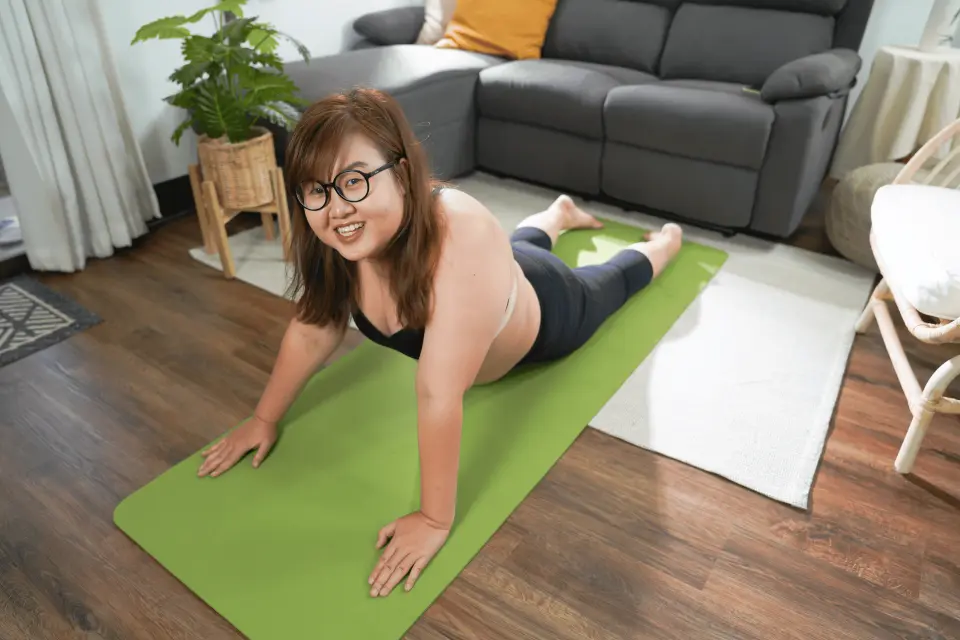
Stretching and balance exercises improve your movement and reduce injury risk. Yoga or simple stretching routines can be a great addition to your workout plan.
How to Start Exercising Safely With GLP-1 Medications
Check With Your Doctor
Before starting any exercise program, especially if you are on GLP-1 medications, talk to your healthcare provider. They can guide you based on your health status and medication effects.
 Start Slow
If you are new to exercise, begin with short, easy sessions. Walking 10 to 15 minutes a day can be a good start. Gradually increase the time and intensity as you feel stronger.
Listen to Your Body
GLP-1 medications can sometimes cause side effects like nausea or dizziness. If you feel unwell during exercise, stop and rest. Adjust your routine as needed to stay safe and comfortable.
How Telehealth Can Support Your Weight Loss Journey
Managing weight with GLP-1 medications and exercise can be easier with the right medical support. Telehealth services like Doctronic.ai offer quick access to medical advice without leaving your home. You can ask questions about your medication, get personalized exercise tips, and even schedule video visits with doctors anytime.
Doctronic.ai provides affordable telehealth visits under $40, available 24/7 in all 50 states. This makes it simple to stay connected with healthcare professionals who understand your needs and can help you stay on track with your weight loss goals.
Get GLP-1 weight loss treatment online today
A licensed doctor can review your symptoms and send a prescription to your pharmacy, often the same day.
- $39 video visit
- Insurance accepted
- 4.8 on Trustpilot
Tips to Maximize Weight Loss With GLP-1 Medications and Exercise
Stay Consistent
Regular exercise and medication use are key. Try to keep a routine that includes physical activity most days of the week.
Eat Balanced Meals
GLP-1 medications reduce appetite, but it is important to eat nutritious foods. Focus on vegetables, lean proteins, and whole grains to fuel your workouts and support weight loss.
Track Your Progress
Keep a journal or use an app to record your exercise, meals, and how you feel. This helps you notice patterns and stay motivated.
Ask for Help When Needed
If you have questions or concerns about your medications or exercise plan, reach out to healthcare providers through Doctronic.ai. They can offer guidance tailored to your situation.
Frequently Asked Questions
Yes, GLP-1 medications can help reduce appetite and lead to weight loss without exercise. However, adding exercise improves overall health and helps maintain weight loss longer.
There is no strict rule. Some people prefer exercising before meals to avoid nausea. Listen to your body and choose a time that feels best for you.
No, exercise does not reduce the effectiveness of GLP-1 medications. Instead, it complements the medication by increasing calorie burn and improving fitness.
If you experience nausea, dizziness, or other side effects, stop exercising and rest. Talk to your doctor or use telehealth services like Doctronic.ai to get advice on adjusting your routine.
Yes, telehealth platforms such as Doctronic.ai provide access to medical professionals who can help you with medication questions, exercise guidance, and ongoing support.
Making the Most of Your Weight Loss Journey
GLP-1 medications offer a powerful tool for weight loss, but combining them with regular exercise creates the best results. Exercise helps burn fat, preserve muscle, and improve your overall health. Starting slowly and staying consistent makes the process manageable and rewarding.
Remember, support is just a click away. Using telehealth services like Doctronic.ai means you can get expert advice anytime, making your weight loss journey safer and more effective. With the right approach, you can reach your goals and enjoy better health.
The Bottom Line
Combining structured exercise with GLP-1 therapy produces superior weight loss results and better body composition than medication alone, but requires a gradual approach to accommodate initial side effects. Start with short, low-intensity sessions and build up over 4-6 weeks while monitoring how your body responds. If you're considering this combination approach, Doctronic can provide personalized guidance on safely integrating exercise with your medication regimen.
Related articles

Get weight loss guidance
Chat Now