

Men's Health
Saw Palmetto: A Natural Remedy for Enlarged Prostate (BPH) - Benefits, Dosage, and Precautions
November 28, 2023
3 min read

Medically reviewed by Alan Lucks | MD, Alan Lucks MDPC Private Practice - New York on December 20th, 2025.
Published on December 19th, 2025. Updated on July 23rd, 2026.
An enlarged prostate, or benign prostatic hyperplasia (BPH), is common in men over 50 and can impact sexual health.
Changes in urinary function and pelvic blood flow due to prostate enlargement may contribute to erectile difficulties.
Understanding the connection between prostate health and erections helps in managing symptoms effectively.
Telehealth services like Doctronic.ai provide accessible, expert advice for prostate and sexual health concerns.
Early diagnosis and personalized care can improve quality of life and sexual function in men with an enlarged prostate.
The prostate is a small gland located below the bladder, surrounding the urethra. As men age, the prostate often grows larger, a condition known as benign prostatic hyperplasia (BPH). This enlargement is not cancerous but can cause uncomfortable urinary symptoms. These include frequent urination, difficulty starting or stopping urine flow, and a feeling of incomplete bladder emptying.
While these urinary symptoms are the most obvious signs of an enlarged prostate, many men also notice changes in their sexual health. The prostate plays a role in sexual function, so its enlargement can influence erections and overall sexual satisfaction. Some men report a decrease in libido or changes in the quality of their orgasms, which can lead to frustration and anxiety regarding their sexual relationships.
BPH affects about 50% of men by age 60, and up to 90% by age 85. Despite its prevalence, many men hesitate to discuss symptoms with their doctors, often due to embarrassment or assuming the changes are just part of aging. This reluctance can delay diagnosis and treatment, potentially leading to more severe complications, such as urinary tract infections or bladder stones, which can arise from untreated BPH.
Besides urinary issues, some men experience discomfort in the pelvic area, lower back pain, or changes in ejaculation. These symptoms can indirectly affect sexual desire and performance, making it important to address the prostate’s health comprehensively. The psychological impact of dealing with these symptoms can lead to increased stress and anxiety, further exacerbating the situation. Men may find themselves avoiding social situations or intimate encounters, fearing that their symptoms will be a source of embarrassment or discomfort.
Understanding the full spectrum of symptoms associated with an enlarged prostate is crucial for early intervention. For instance, lifestyle factors such as diet, exercise, and stress management can play a significant role in managing symptoms. Incorporating a balanced diet rich in fruits, vegetables, and healthy fats, along with regular physical activity, may help alleviate some discomfort. Staying well-hydrated and practicing bladder training techniques can also contribute to improved urinary function, allowing men to regain some control over their symptoms and enhance their overall quality of life.
Erectile dysfunction (ED) is the inability to achieve or maintain an erection sufficient for sexual activity. While ED has many causes, an enlarged prostate can contribute in several ways.
The prostate is closely connected to nerves and blood vessels that support erections. When the prostate enlarges, it can compress nearby tissues, affecting blood flow to the penis. Reduced blood circulation can make it harder to get or keep an erection.
The nerves responsible for erections may be irritated or damaged by the enlarged gland or by treatments for BPH, such as surgery or medication.
Frequent nighttime urination or discomfort can disrupt sleep, leading to fatigue and lowered libido. Anxiety about urinary symptoms or sexual performance can also contribute to erectile difficulties. The stress of managing BPH symptoms often affects mental well-being, which is closely tied to sexual function.
Some medications prescribed for BPH, including alpha-blockers and 5-alpha reductase inhibitors, may have side effects impacting sexual function. These can include decreased libido, difficulty ejaculating, or ED. However, not all men experience these side effects, and alternatives or adjustments can often be made.
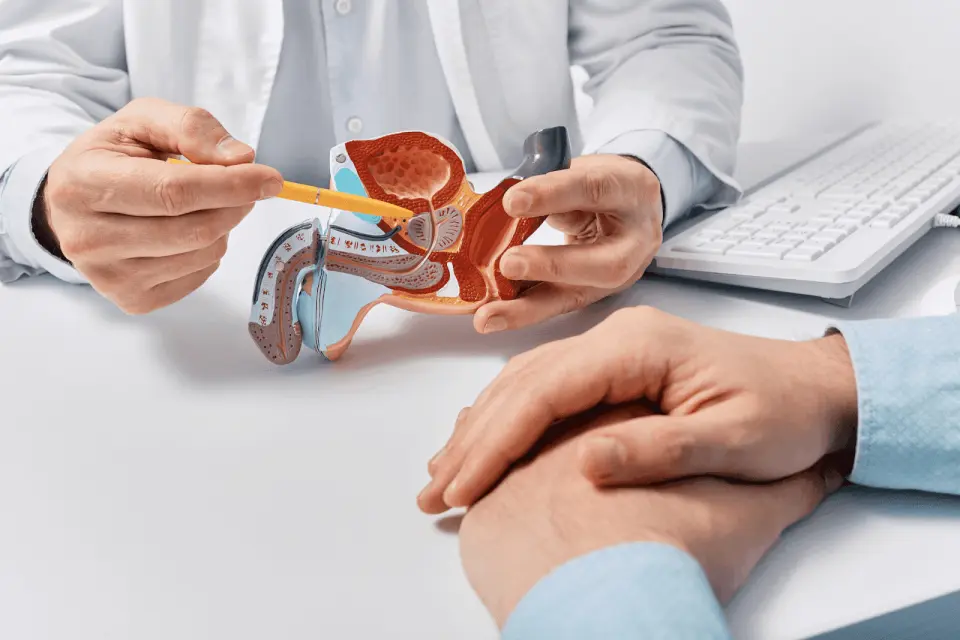 Managing Enlarged Prostate and Protecting Sexual Health
Addressing an enlarged prostate early can help reduce its impact on erections and overall quality of life. A combination of lifestyle changes, medical treatments, and expert guidance is often the best approach.
Diet: Eating a balanced diet rich in fruits, vegetables, and healthy fats supports prostate health.
Exercise: Regular physical activity improves blood flow and reduces symptoms of BPH.
Fluid Management: Limiting caffeine and alcohol, especially before bedtime, can reduce nighttime urination.
Stress Reduction: Techniques such as meditation or counseling can improve mental health and sexual function.
Several treatments are available for BPH, ranging from medications to minimally invasive procedures. Your healthcare provider can help determine the best option based on symptom severity and personal preferences.
For men seeking advice or treatment for prostate-related issues and erectile dysfunction, telehealth services offer a convenient and confidential option. Doctronic.ai provides 24/7 access to licensed doctors who can evaluate symptoms, recommend treatments, and offer second opinions without the need for in-person visits.
Using AI-powered tools, Doctronic delivers personalized care quickly, drawing on the latest medical research. This approach helps men get answers and support when they need it most, all from the comfort of home.
Not all prostate enlargement leads to erectile problems, but if you experience persistent urinary symptoms or changes in sexual function, it’s important to consult a healthcare professional. Early evaluation can rule out other conditions and guide effective treatment.
Difficulty starting or maintaining an erection
Frequent or painful urination
Blood in urine or semen
Pelvic or lower back pain
Sudden worsening of urinary symptoms
Telehealth platforms like Doctronic enable men to discuss sensitive issues openly with doctors who understand the complexities of prostate and sexual health. The AI-driven system remembers your history, providing personalized advice tailored to your needs.
Get enlarged prostate treatment online today
A licensed doctor can review your symptoms and send a prescription to your pharmacy, often the same day.
Related medications we prescribe
Learn moreLiving with an enlarged prostate does not mean giving up on a satisfying sex life. Many men find that with proper management, they can maintain or even improve their erectile function.
Open conversations with partners and healthcare providers help address concerns and reduce anxiety. Support groups or counseling can also be beneficial for emotional well-being.
If ED persists, treatments such as oral medications, vacuum devices, or hormone therapy may be recommended. Your doctor can help identify the safest and most effective options based on your health and prostate condition.
Regular check-ins with your healthcare provider ensure that treatments remain effective and side effects are managed. Telehealth services like Doctronic make ongoing care accessible and convenient, encouraging consistent management.
Understanding how an enlarged prostate affects erections is the first step toward managing symptoms and improving quality of life. With advances in AI and telehealth, expert medical advice is more accessible than ever.
Doctronic.ai offers a unique combination of AI-powered diagnosis and 24/7 access to licensed doctors, making it easier to get personalized care tailored to your needs. Whether you have questions about prostate health, erectile function, or treatment options, Doctronic is a trusted resource for modern, patient-centered care.
Not necessarily. While an enlarged prostate can contribute to erectile difficulties, many men experience improvement with proper treatment and lifestyle changes. Early intervention is key to preventing lasting effects.
Some lifestyle changes, like diet, exercise, and stress management, can support prostate health and sexual function. However, it is important to consult a healthcare provider for a comprehensive approach and to avoid delaying effective medical treatment.
Surgery for BPH can sometimes impact erectile function, but outcomes vary depending on the procedure and individual factors. Discuss risks and benefits with your doctor before deciding on surgery.
Telehealth services like Doctronic.ai provide fast, convenient access to doctors who can evaluate your symptoms and recommend treatment options without needing an in-person visit.
Yes, anxiety is common and can worsen erectile difficulties. Addressing mental health alongside physical symptoms is important for overall sexual well-being.
Get urinary health advice
Chat Now