
Herpes vs Ingrown Hair: A Comprehensive Guide to Understanding Skin Bumps

Medically reviewed by Alan Lucks | MD, Alan Lucks MDPC Private Practice - New York on February 14th, 2026.
Published on January 27th, 2026. Updated on September 11th, 2026.
Key takeaways
Herpes and ingrown hairs can look similar but have distinct characteristics
Both conditions can cause skin bumps in the genital area
Proper identification requires careful observation and sometimes medical testing
Most ingrown hairs resolve on their own, while herpes requires medical management
Questions about herpes vs. ingrown hair?
Free. Anonymous. Built by doctors.
This article covers general information. Ask Doctronic about your symptoms, medications, side effects, or treatment options.
Skin bumps in sensitive areas can cause significant anxiety and confusion. Whether you're experiencing an unexpected bump or concerned about a potential sexually transmitted infection, understanding the differences between herpes and ingrown hairs is crucial for proper treatment and peace of mind.
Skin conditions can often look similar, making self-diagnosis challenging. Herpes and ingrown hairs share some visual similarities but have key differences in their presentation, cause, and treatment. This guide will help you understand these two distinct conditions and when to seek medical advice.
Understanding Herpes Symptoms
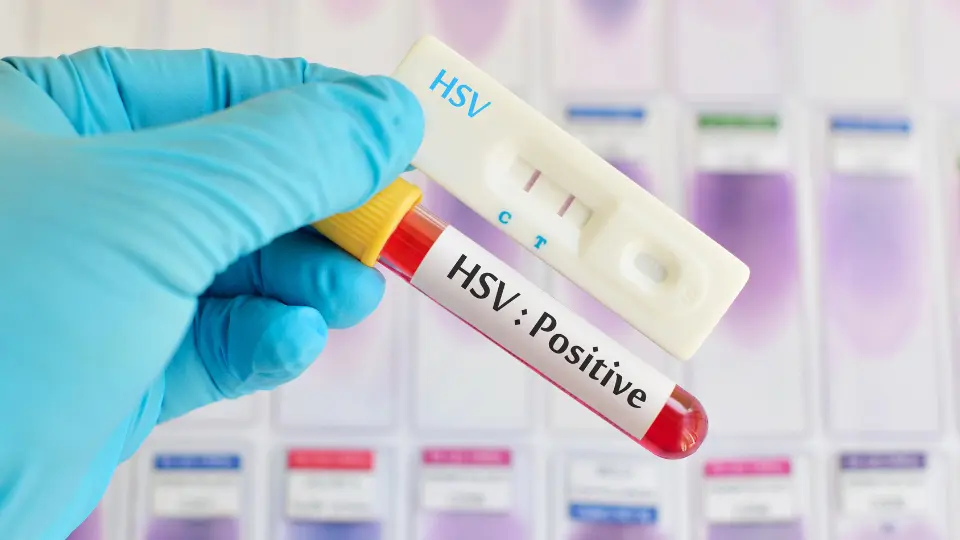
Herpes is a viral infection caused by herpes simplex virus types 1 and 2. Cold sores can be more than just a minor irritation, and genital herpes follows a similar pattern of recurring outbreaks.
Typical herpes symptoms include clusters of small, watery blisters that can be painful and tender. These blisters often appear in groups and may be accompanied by flu-like symptoms such as fever and body aches. Understanding cold sore treatments can provide insights into managing herpes outbreaks.
Characteristics of Ingrown Hairs
Ingrown hairs typically present as single, isolated bumps with a more localized appearance. Unlike herpes, these bumps often have a visible hair trapped beneath the skin surface. They commonly occur after hair removal techniques like shaving or waxing.
Most ingrown hairs resolve spontaneously within a week. They may cause localized itching and mild discomfort but do not typically spread or cluster like viral lesions. Skin inflammation can be managed with proper care, but persistent issues warrant medical attention.
Diagnostic Differences
Characteristic |
Herpes |
Ingrown Hair |
|---|---|---|
Appearance |
Clustered watery blisters |
Single, sometimes pus-filled bump |
Duration |
Recurring outbreaks |
Typically resolves within 1 week |
Transmission |
Sexually transmitted |
Not contagious |
Additional Symptoms |
Fever, body aches |
Localized itching, mild pain |
When to Seek Medical Advice
If you're uncertain about the nature of your skin bump, professional medical evaluation is crucial. Persistent bumps, severe pain, or recurring symptoms should prompt a consultation with a healthcare provider.
Preventing Future Occurrences
For ingrown hairs, gentle hair removal techniques and proper skin care can minimize risks. Herpes prevention involves understanding transmission routes and practicing safe sexual behaviors.
Frequently Asked Questions
No, they are distinctly different conditions with different causes and treatments.
Yes, they can look similar, which is why professional medical diagnosis is recommended.
Most ingrown hairs resolve within 7-10 days without intervention.
Herpes can be transmitted during active outbreaks and through asymptomatic shedding.
Gentle care and avoiding picking can help, but persistent issues require medical attention.
The Bottom Line
Identifying the difference between herpes and ingrown hairs can be challenging. When in doubt, professional medical advice is always the safest approach. Skip the waiting room. Get answers in minutes with Doctronic.
Related articles
Cancerous Moles vs. Normal Moles: A Visual Guide to Melanoma Warning Signs

Can Allergies Make You Feel Sick? Spring Allergy Symptoms That Mimic Illness

Pain in the Back of Your Knee: What's Causing It and What to Do
Medial Knee Pain: Causes, Diagnosis, and Treatment for Active People
Types of Eczema: Identifying Which One You Have and How to Treat It

Physical Symptoms of Anxiety: When Your Body Keeps the Score
Lymphoma Rash: What It Looks Like and When to Get Checked
Compare your treatment options
Chat Now