
Hand Eczema Treatment: Effective Ways to Heal Your Skin

Medically reviewed by Alan Lucks | MD, Alan Lucks MDPC Private Practice - New York on December 20th, 2025.
Published on December 19th, 2025. Updated on July 23rd, 2026.
Key takeaways
Understand the causes and triggers of hand eczema for better management
Learn practical home care techniques to soothe and protect your skin
Explore medical treatments, including topical therapy, and when to seek professional help
Discover how telehealth services like Doctronic.ai can provide quick, expert advice and treatment options
Get answers to common questions about hand eczema care and prevention
Questions about hand eczema?
Free. Anonymous. Built by doctors.
This article covers general information. Ask Doctronic about your symptoms, medications, side effects, or treatment options.
What Is Hand Eczema and Why Does It Occur?
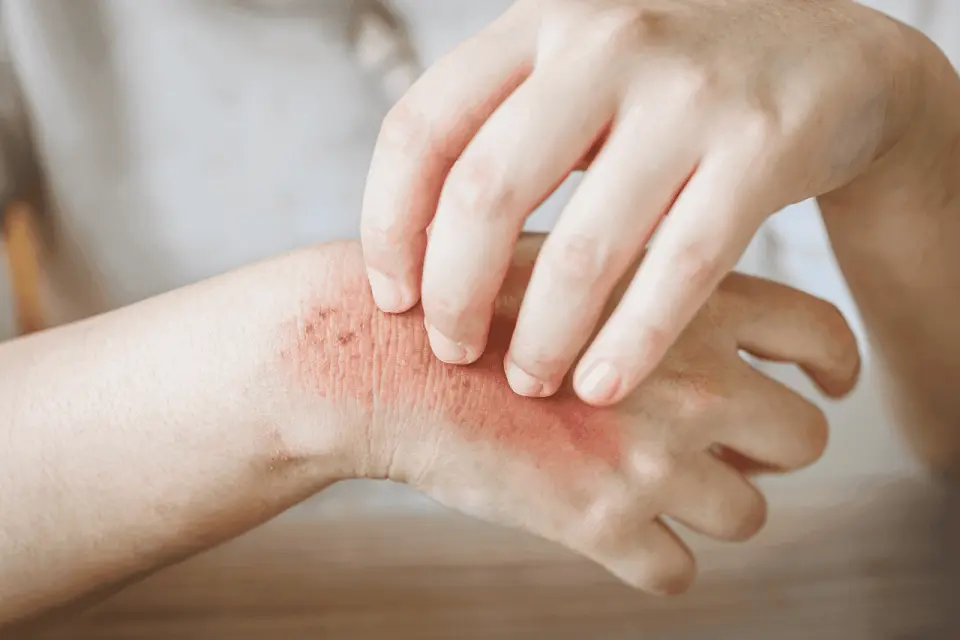
Hand eczema is a common skin condition that causes redness, itching, swelling, dryness, and sometimes painful cracks on the hands. It can affect anyone but is especially prevalent among people whose hands are frequently exposed to irritants or allergens, such as soaps, detergents, or chemicals. Understanding the root causes is key to effective treatment and prevention. The condition can significantly impact daily activities, making simple tasks like washing dishes or typing on a keyboard uncomfortable and challenging. For many, the emotional toll of living with visible skin issues can be just as significant as the physical symptoms.
Common Causes and Triggers
Hand eczema often develops due to a combination of genetic and environmental factors. Some common triggers include:
Frequent hand washing or exposure to water
Contact with harsh chemicals or cleaning products
Allergic reactions to substances like nickel or fragrances
Dry skin aggravated by cold or dry weather
Identifying and avoiding these triggers can reduce flare-ups and help your skin heal faster. In addition to these common causes, stress is also a significant factor that can exacerbate hand eczema. When individuals experience high levels of stress, their skin may react negatively, leading to increased inflammation and irritation. Therefore, managing stress through relaxation techniques, such as yoga or meditation, can be beneficial for those prone to eczema.
Types of Hand Eczema
There are several types of hand eczema, each with distinct features:
Atopic Dermatitis: Often linked to a family history of allergies or asthma.
Contact Dermatitis: Caused by direct contact with irritants or allergens.
Dyshidrotic Eczema: Characterized by small, itchy blisters on the palms.
Knowing your eczema type helps tailor the treatment approach effectively. For instance, those with contact dermatitis may benefit from patch testing to identify specific allergens, while individuals with dyshidrotic eczema might find relief through the use of topical steroids or wet dressings. Lifestyle changes, such as wearing gloves while cleaning or using gentle, fragrance-free products, can significantly improve skin condition. It’s essential to consult a dermatologist for a personalized treatment plan that addresses the unique aspects of your eczema type and lifestyle.
 Home Care Strategies to Soothe Hand Eczema
Managing hand eczema starts with simple changes at home. These steps can ease symptoms and support your skin’s natural healing process.
Moisturizing Regularly
Keeping your hands well-moisturized is essential. Use thick, fragrance-free creams or ointments multiple times a day, especially after washing your hands. Products containing ceramides or petrolatum help restore the skin barrier. Consider applying a heavy moisturizer before bedtime and wearing cotton gloves overnight. This technique can enhance absorption and provide a protective layer, allowing your skin to recover while you sleep. Look for products that also contain ingredients like glycerin or shea butter, as these can further hydrate and nourish the skin, making a noticeable difference in its overall appearance and feel.
Protecting Your Hands
Wear gloves when doing chores that involve water or chemicals. Cotton gloves under rubber gloves can prevent sweating and irritation. Avoid harsh soaps and opt for gentle, fragrance-free cleansers. It’s also beneficial to limit exposure to extreme temperatures, as both hot and cold can exacerbate eczema symptoms. When going outside in cold weather, wear gloves to shield your hands from the elements. Consider using a humidifier in your home, especially during the winter months, to maintain moisture in the air, which can help prevent your skin from drying out.
Managing Itch and Inflammation
Cold compresses can reduce itching and inflammation. Avoid scratching, which can worsen the condition and lead to infection. Over-the-counter hydrocortisone creams may provide mild relief, but persistent symptoms require medical advice. For those times when you feel the urge to scratch, try distraction techniques such as squeezing a stress ball or engaging in a calming activity like reading or meditation. Some people find relief through natural remedies, such as applying aloe vera gel or coconut oil, which have soothing properties. Always perform a patch test first to ensure these remedies do not irritate your skin further. Keeping a diary of flare-ups can also help identify triggers, allowing for better management of the condition over time.
Talk to a doctor about hand eczema
Connect with a licensed doctor online to talk through your symptoms, understand your treatment options, and find out which medications may be available through telehealth.
- $39 video visit
- Insurance accepted
- 4.8 on Trustpilot
Medical Treatments for Hand Eczema
If home care isn’t enough, medical treatments can help control and heal hand eczema effectively. Consulting a healthcare professional ensures you get the right care for your condition.
Topical Steroids and Other Medications
Doctors often prescribe topical corticosteroids to reduce inflammation and itching. The strength and duration depend on the severity of your eczema. In some cases, non-steroidal topical treatments like calcineurin inhibitors may be recommended.
When to Seek Professional Help
If your eczema does not improve with home treatment, becomes infected, or severely impacts your daily life, it’s important to see a healthcare provider. They can offer stronger treatments and investigate underlying causes.
Using Telehealth for Convenient Care
Accessing expert care for hand eczema has become easier with telehealth services. Doctronic.ai offers affordable, 24/7 video visits with licensed doctors across all 50 states. This means you can get a professional diagnosis, personalized treatment plan, and prescription medications without leaving your home.
Preventing Future Flare-Ups
Once your hand eczema is under control, the next step is prevention. Making lifestyle adjustments can keep your skin healthy and reduce the risk of recurrence.
Identify and Avoid Triggers
Keep a diary to track flare-ups and possible triggers. Avoid known irritants and allergens whenever possible. Switching to hypoallergenic products and using protective gloves can make a big difference.
Maintain Skin Hydration
Continue moisturizing daily, even when your skin feels better. Hydrated skin is less prone to cracking and irritation.
Practice Gentle Skin Care
Use lukewarm water instead of hot water when washing hands. Pat your skin dry rather than rubbing. Choose mild soaps and avoid unnecessary exposure to harsh substances.
Frequently Asked Questions
Hand eczema is a chronic condition for many people, but with proper care and treatment, symptoms can be controlled effectively. Avoiding triggers and maintaining a good skincare routine are essential to managing flare-ups.
No, hand eczema is not contagious. It is caused by skin irritation or allergic reactions and cannot be spread from person to person.
Some people find relief using natural moisturizers like coconut oil or aloe vera. However, these should be used cautiously, as some natural products can cause allergic reactions. Always patch test new products and consult a healthcare provider if unsure.
Improvement varies depending on the severity and type of eczema. Mild cases may improve within a week of consistent care, while more severe cases might take longer and require medical treatment.
Yes, Doctronic.ai provides quick and affordable telehealth consultations with licensed doctors who can diagnose your condition, recommend treatments, and prescribe medications if needed. It’s a convenient option for managing hand eczema from home.
References
Related articles

Explore treatment options
Chat Now