
GLP-1 Diet: What to Eat While Taking GLP-1 Medications

Medically reviewed by Alan Lucks | MD, Alan Lucks MDPC Private Practice - New York on January 20th, 2026.
Published on January 19th, 2026. Updated on September 11th, 2026.
Key takeaways
GLP-1 medications help regulate blood sugar and support weight management, making diet choices important for the best results.
Focus on balanced meals rich in fiber, lean protein, and healthy fats to complement GLP-1 therapy.
Avoid high-sugar, highly processed foods that can counteract medication benefits and cause digestive discomfort.
Stay hydrated and consider small, frequent meals to manage appetite changes linked to GLP-1 use.
Consult with healthcare professionals through telehealth platforms like Doctronic.ai for personalized dietary advice while on GLP-1 medications.
Understanding GLP-1 Medications and Their Dietary Impact
GLP-1 medications, commonly prescribed for type 2 diabetes and weight management, work by mimicking the glucagon-like peptide-1 hormone. This hormone helps regulate blood sugar levels, slows gastric emptying, and reduces appetite. Because these medications influence how your body processes food, what you eat can significantly affect your treatment outcomes.
Eating the right foods while on GLP-1 therapy can enhance medication effectiveness and minimize side effects like nausea or digestive discomfort. On the other hand, poor dietary choices may blunt the benefits of the medication or worsen symptoms.
How GLP-1 Affects Appetite and Digestion
GLP-1 slows down stomach emptying, which means food stays in your stomach longer. This can lead to a feeling of fullness and reduced hunger, helping with weight control. It can also cause nausea if meals are too heavy or high in fat. Understanding this helps in planning meals that support your medication’s action.
Why Diet Matters During GLP-1 Treatment
Since GLP-1 medications affect blood sugar and appetite, your diet should complement these effects. Balanced nutrition supports stable blood sugar, reduces cravings, and sustains energy levels. Ignoring diet can lead to fluctuations in blood sugar or discomfort, undermining the medication’s benefits.
Foods to Focus On While Taking GLP-1 Medications
Choosing the right foods can make your GLP-1 treatment more effective and comfortable. Here’s what to emphasize in your diet.
High-Fiber Vegetables and Fruits
Fiber slows digestion and helps maintain steady blood sugar levels. Non-starchy vegetables like broccoli, spinach, and peppers are excellent choices. Fruits such as berries, apples, and pears provide fiber and antioxidants without causing sharp blood sugar spikes.
Lean Proteins
Protein supports muscle health and keeps you feeling full longer. Opt for sources like chicken breast, turkey, fish, tofu, and legumes. These foods are less likely to cause digestive upset and help stabilize blood sugar.
Healthy Fats
Incorporate fats from sources like avocados, nuts, seeds, and olive oil. These fats provide sustained energy and support heart health. Avoid fried foods or high-fat processed snacks that can increase the risk.
Whole Grains
Whole grains such as quinoa, brown rice, and oats provide fiber and important nutrients. They help maintain blood sugar balance and complement the effects of GLP-1 medications.
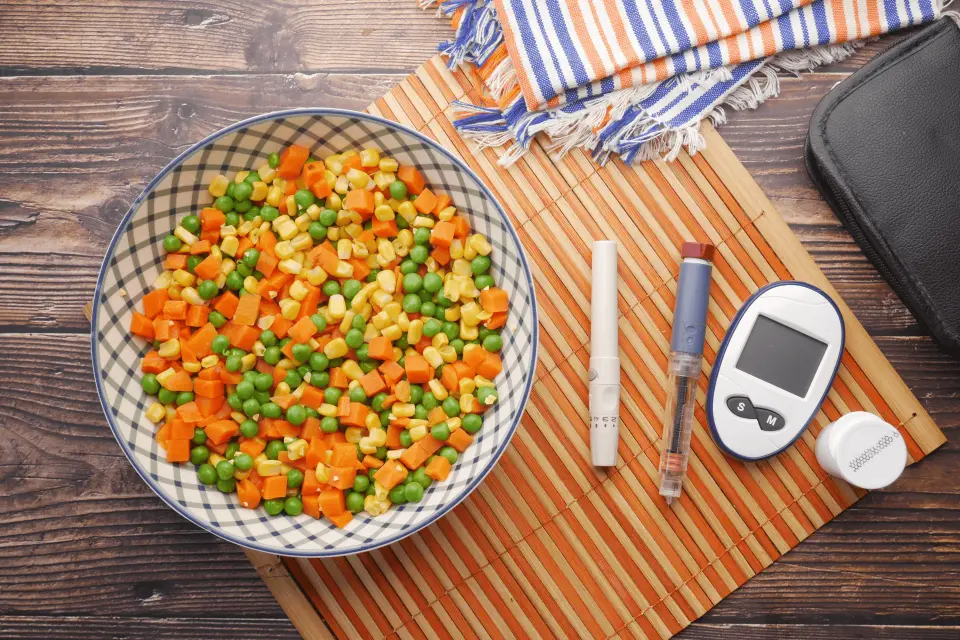 Foods and Habits to Avoid While on GLP-1 Medications
Certain foods and eating habits can interfere with GLP-1 therapy or cause unpleasant side effects.
High-Sugar and Processed Foods
Sweets, sugary drinks, and highly processed snacks can cause blood sugar spikes that counteract medication benefits. They may also increase cravings, making it harder to stick to a healthy diet.
Large, Heavy Meals
Because GLP-1 slows stomach emptying, large meals can lead to nausea or discomfort. Eating smaller, more frequent meals can help your body adjust and reduce digestive issues.
Excessive Fatty Foods
High-fat meals, especially fried or greasy foods, can worsen nausea and slow down digestion too much. Keep fat intake moderate and focus on healthy fat sources.
Alcohol Consumption
Alcohol can affect blood sugar and interact with medications. It’s best to limit intake and discuss alcohol use with your healthcare provider.
Meal Planning Tips for GLP-1 Users
Adopting practical meal habits can enhance your experience with GLP-1 medications and support your health goals.
Eat Small, Balanced Meals
Smaller portions spread throughout the day help manage appetite and reduce nausea. Each meal should include a balance of fiber, protein, and healthy fats.
Stay Hydrated
Drinking plenty of water supports digestion and overall health. Sometimes thirst can be mistaken for hunger, so staying hydrated helps control appetite.
Monitor Your Body’s Response
Keep track of how different foods affect your symptoms and blood sugar. Adjust your diet accordingly and consult healthcare professionals for guidance.
Use Telehealth for Personalized Support
Getting tailored advice is important. Doctronic.ai offers convenient access to medical professionals who understand GLP-1 therapy. They can help you fine-tune your diet and address any concerns quickly.
Working with Healthcare Providers While on GLP-1 Medications
Regular communication with your healthcare team is key to safe and effective GLP-1 treatment. They can monitor your progress, adjust medications if needed, and provide dietary recommendations.
Why Telehealth Is a Great Option
Telehealth services offer fast, affordable access to doctors without leaving home. Doctronic.ai provides 24/7 video visits with licensed physicians in all 50 states for under $40. This makes it easier to get expert advice on your diet and medication management whenever you need it.
Questions to Ask Your Doctor
What foods should I focus on or avoid while taking GLP-1 medications?
How can I manage side effects like nausea through diet?
Are there any supplements or vitamins I should consider?
How often should I check my blood sugar and adjust my diet?
Adapting Your Lifestyle for Long-Term Success
GLP-1 medications are a powerful tool, but lasting health improvements come from combining medication with lifestyle changes.
Incorporate Regular Physical Activity
Exercise helps regulate blood sugar, supports weight management, and improves overall well-being. Aim for a mix of cardio, strength, and flexibility exercises.
Focus on Sleep and Stress Management
Quality sleep and stress reduction positively impact blood sugar control and appetite. Consider mindfulness practices, relaxation techniques, or sleep hygiene improvements.
Stay Consistent with Your Diet
Consistency is more important than perfection. Build a sustainable eating pattern that fits your preferences and supports your GLP-1 treatment goals.
Supporting Your Health Journey with the Right Diet
Taking GLP-1 medications offers a valuable opportunity to improve blood sugar control and support weight management. Pairing this treatment with a thoughtful diet focused on fiber, lean proteins, healthy fats, and whole grains can maximize benefits and reduce side effects.
Small, balanced meals and avoiding high-sugar or fatty foods help your body adjust and thrive during therapy. Staying hydrated and monitoring your body’s responses are equally important.
For personalized guidance, consider telehealth services like Doctronic.ai, where expert doctors are available around the clock to help you navigate your diet and medication questions. This approach ensures your treatment fits your lifestyle and health goals, making your journey smoother and more effective.
Frequently Asked Questions
It’s best to limit added sugars to avoid blood sugar spikes and reduce cravings. Focus on natural sugars from fruits and whole foods instead.
You may experience reduced appetite and increased fullness, especially when starting the medication. This usually lessens over time as your body adjusts.
High-fat, greasy, or very large meals are more likely to cause nausea. Eating smaller meals with balanced nutrients can help manage this side effect.
Telehealth platforms like Doctronic.ai provide easy access to doctors who can tailor recommendations based on your health status and medication.
Alcohol can affect blood sugar and interact with medications. It is best to discuss alcohol use with your healthcare provider to understand what is safe for you.
The Bottom Line
Following a balanced, fiber-rich diet with lean protein and healthy fats can enhance the benefits of GLP-1 medications while reducing side effects. For personalized nutrition guidance and ongoing support, telehealth platforms like Doctronic.ai make it easy to get expert advice anytime, anywhere.
Related articles

How to Calm an Anxiety Attack: Techniques That Work in the Moment

Melasma vs. Hyperpigmentation: Key Differences and Treatment Approaches

Sun Allergy: Why Your Skin Reacts to UV and How to Manage It

Poison Ivy Rash Stages: What to Expect from Day 1 to Full Healing

Can Allergies Make You Feel Sick? Spring Allergy Symptoms That Mimic Illness

Supplements for Depression: What the Evidence Says About Natural Options
Plantar Fasciitis Treatment: A Runner's Guide to Getting Back on Your Feet

Poison Ivy Rash Treatment: Home Remedies vs. Medical Care
Get weight loss guidance
Chat Now