

Infectious Disease
Pneumonia From the Flu: Symptoms, Risks, and Treatment
January 30, 2026
5 min read

Medically reviewed by Alan Lucks | MD, Alan Lucks MDPC Private Practice - New York on January 1st, 2026.
Published on December 31st, 2025. Updated on July 23rd, 2026.
Understanding when flu testing is necessary can help you get timely treatment and avoid spreading the virus.
Rapid flu tests provide quick results and are commonly used in clinics and telehealth visits.
Doctronic.ai offers convenient, affordable telehealth visits to discuss symptoms and get guidance on flu testing.
Knowing the symptoms and timing of flu testing improves care decisions and helps protect those around you.
Flu testing is especially important for high-risk groups and during peak flu season.
Flu symptoms can overlap with many other illnesses, including the common cold and COVID-19. Knowing when to get tested for the flu can make a big difference in how quickly you receive the right care. Generally, if you experience a sudden onset of fever, chills, muscle aches, cough, sore throat, or fatigue, it’s a good idea to consider flu testing, especially during flu season.
Testing is particularly important if you are in a high-risk group. This includes young children, older adults, pregnant women, and people with chronic health conditions such as asthma, diabetes, or heart disease. Early diagnosis allows for prompt antiviral treatment, which can reduce the severity and duration of illness. Those who live or work in close quarters, such as nursing homes or schools, should be vigilant about flu symptoms and testing, as the virus can spread rapidly in these environments.
Fever or feeling feverish with chills
Cough and sore throat
Body aches and muscle pain
Fatigue and weakness
Headache and nasal congestion
If these symptoms appear suddenly and you are concerned, a flu test can confirm the diagnosis and guide treatment decisions. It's also important to note that some individuals may experience gastrointestinal symptoms, such as nausea or diarrhea, particularly in children. This can sometimes lead to confusion with other viral infections, making testing even more critical for accurate diagnosis.
Flu tests are most accurate when taken within the first 3 to 4 days of symptom onset. After this window, the amount of virus in the body decreases, which can affect test results. If symptoms persist or worsen beyond this period, consulting a healthcare provider remains important even if the initial test was negative. Understanding the timing of flu testing can help in managing your health effectively; for instance, if you are experiencing severe symptoms or complications, such as difficulty breathing or chest pain, seeking immediate medical attention is crucial, regardless of the timing of your flu test.
In addition to testing, it is essential to monitor your symptoms closely and maintain communication with your healthcare provider. They can offer guidance on whether to continue with symptomatic treatment, consider alternative diagnoses, or escalate care if necessary. Keeping track of your symptoms can also provide valuable information for your healthcare team, helping them make informed decisions about your treatment plan.
 Types of Flu Tests and How They Work
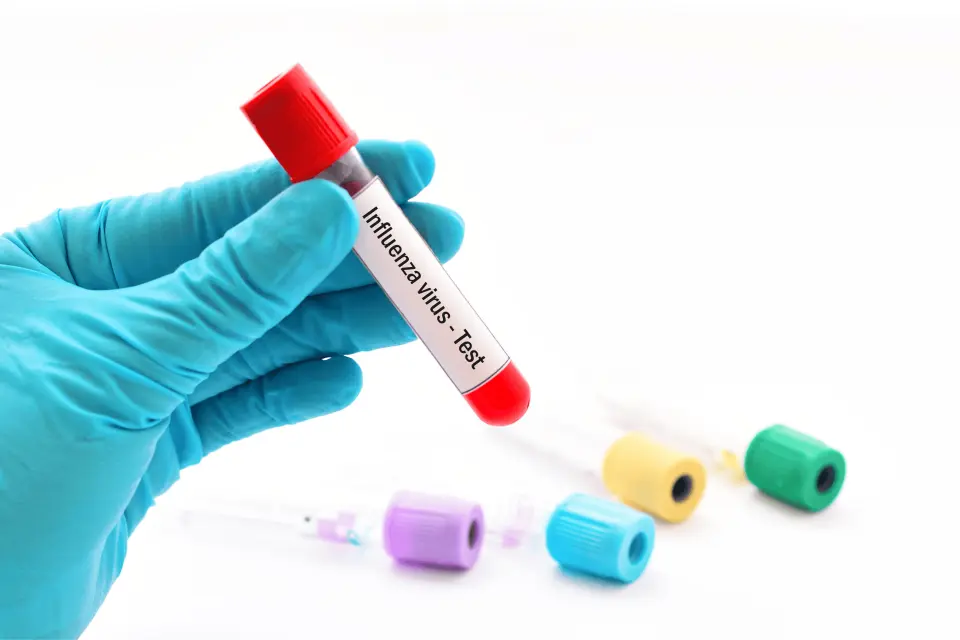
Flu testing has evolved over the years, with several options available depending on where and how you seek care. Understanding these tests helps you know what to expect during your visit or telehealth consultation.
These tests detect flu viral antigens and provide results in about 10 to 15 minutes. They are commonly used in clinics and urgent care centers. While fast, RIDTs can sometimes miss flu infections, especially if the viral load is low.
More sensitive than RIDTs, these tests detect viral RNA and also deliver results quickly, often within 15 to 30 minutes. They are becoming more common in clinical settings due to their improved accuracy.
Reverse transcription polymerase chain reaction (RT-PCR) tests are the gold standard for flu diagnosis. They detect viral genetic material with high accuracy but usually take longer to process, often requiring laboratory facilities. These tests are typically used in hospitals or specialized labs.
Access to flu testing has improved with technology and telehealth services. You no longer need to visit an urgent care center or hospital immediately to get tested or evaluated.
Doctronic.ai offers fast, affordable telehealth visits with licensed doctors available 24/7 across all 50 states. You can discuss your symptoms, receive an AI-powered preliminary assessment, and get guidance on whether you need a flu test or further care.
Doctronic’s AI doctor synthesizes the latest medical research to provide personalized advice and can help you decide if a rapid flu test or other diagnostic steps are necessary. This approach saves time and reduces exposure risk by avoiding crowded waiting rooms.
If a test is recommended after your telehealth visit, many clinics and pharmacies offer rapid flu testing. It’s important to call ahead and confirm availability. Remember, Doctronic does not provide a list of urgent care locations, but their telehealth platform can guide you on the next steps.
Flu tests are generally quick and straightforward. Most involve a nasal or throat swab to collect a sample.
A healthcare professional will insert a swab into your nostril or throat to gather cells and mucus. This process might feel uncomfortable for a few seconds, but it is painless.
Rapid tests provide results within minutes, while lab-based tests take longer. Your healthcare provider will explain what the results mean and recommend treatment if needed.
Confirming a flu diagnosis helps you and your healthcare provider make informed decisions. It ensures you receive appropriate antiviral medications when indicated and helps prevent unnecessary use of antibiotics, which do not treat viral infections.
Testing also helps protect others by confirming the presence of the flu virus, encouraging isolation and hygiene measures to reduce spread. This is especially important in households, schools, and workplaces.
Get flu treatment online today
A licensed doctor can review your symptoms and send a prescription to your pharmacy, often the same day.
Related medications we prescribe
Learn moreMost people recover from the flu at home with rest, fluids, and over-the-counter medications. However, if you experience difficulty breathing, chest pain, persistent high fever, or confusion, seek emergency medical care immediately.
Telehealth services like Doctronic.ai can help monitor your symptoms and advise when urgent care is necessary.
Knowing when and how to get tested for the flu empowers you to manage your health proactively. Rapid and accurate diagnosis leads to better treatment outcomes and helps protect those around you. Telehealth platforms like Doctronic.ai make it easier than ever to get expert advice and care from the comfort of your home. If flu symptoms strike, don’t wait to seek guidance and testing to stay safe and healthy.
At-home flu testing kits exist but are not as reliable as tests performed by healthcare professionals. Telehealth services can guide you on the best testing options based on your symptoms.
Rapid flu tests provide quick results but may have lower sensitivity compared to molecular tests. Negative results do not always rule out flu, especially if symptoms are strong.
Not always. Mild symptoms may not require testing, but if you have risk factors or severe symptoms, testing helps confirm the diagnosis and treatment.
Doctronic’s AI doctor provides expert guidance based on your symptoms and medical history, but may recommend testing for confirmation when appropriate.
Antiviral treatment is most effective when started within 48 hours of symptom onset, which is why early testing and diagnosis are important.
Getting a flu test at the right time can speed up treatment, reduce spread, and protect those most at risk, especially during peak flu season. If you’re unsure whether testing is needed, Doctronic.ai offers fast, affordable telehealth visits to evaluate symptoms and guide you on the next best steps from home.
Get care for your infection
Chat Now