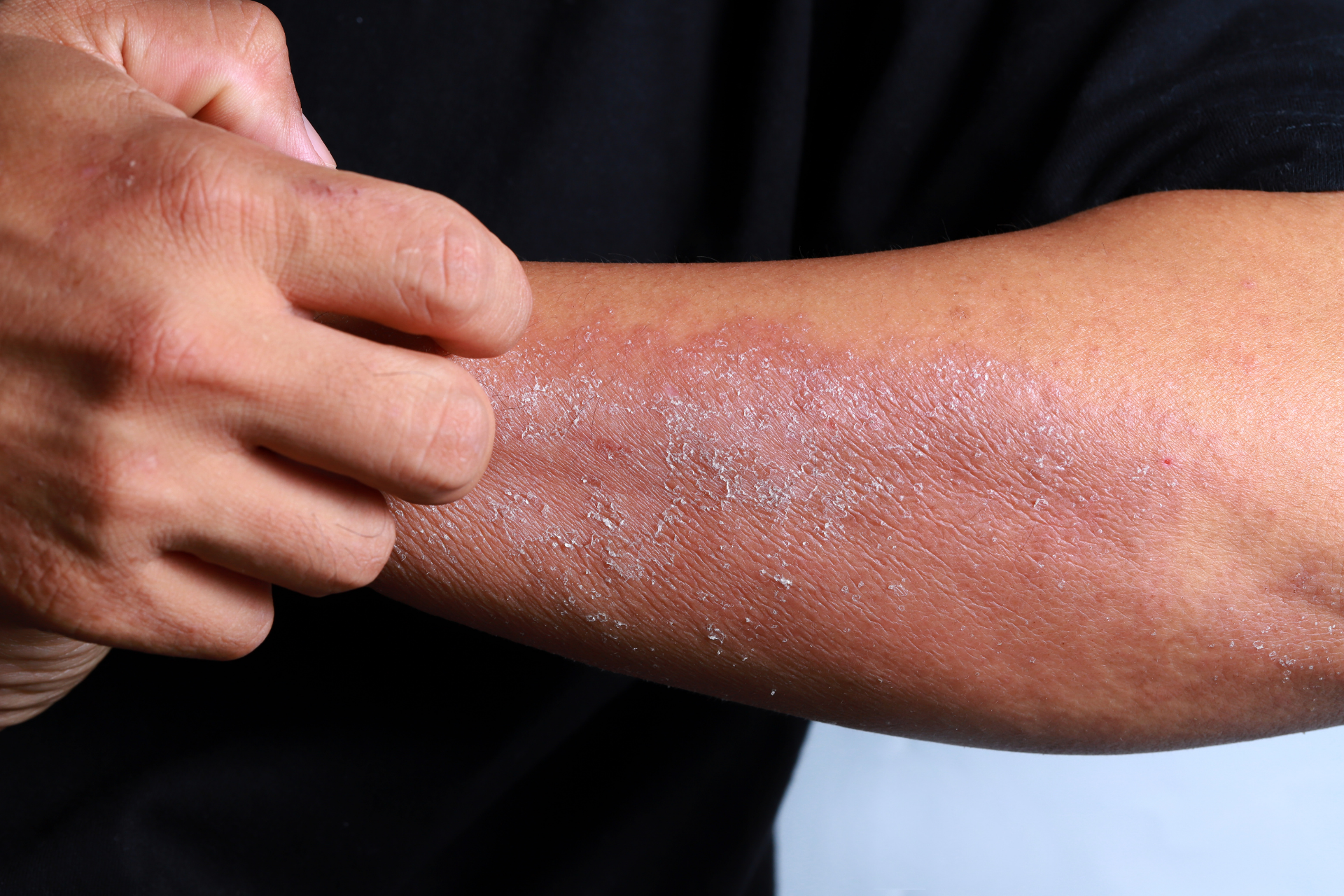
Elidel (pimecrolimus) is a topical medication primarily used to treat mild to moderate eczema by reducing inflammation and itching.
Typical adult and pediatric doses involve applying a thin layer to affected skin areas twice daily, but exact amounts depend on the severity and location of the condition.
Elidel should not be used on infected skin or for longer than recommended without medical supervision.
Missed doses should be applied as soon as possible, but avoid doubling up to catch up.
Consulting with a healthcare provider, primarily through telehealth services like Doctronic.ai, can help personalize dosage and treatment plans.
Understanding Elidel Uses and Dosages
Elidel, known generically as pimecrolimus, is a prescription cream designed to manage atopic dermatitis, commonly called eczema. It works by calming the skin's immune response, reducing redness, itching, and inflammation. Getting the dosage right is essential for both safety and effectiveness. Unlike oral medications, Elidel is applied topically, so dosage is measured by the amount of cream used per application and frequency of use.
While the general recommendation is straightforward, individual needs vary. Factors such as age, severity of eczema, and skin sensitivity influence how much and how often Elidel should be applied. This guide breaks down the typical dosing, how to adjust it, and what to do if you miss a dose.
Elidel Dosage Chart
Form
Strength
Typical Adult Dose
Typical Children’s Dose
Frequency
Route
Maximum Daily Dose
Cream
1%
Apply a thin layer to affected areas
Apply a thin layer to affected areas
Twice daily (morning and evening)
Topical
Not to exceed the recommended area or duration
Elidel Dosage by Condition
Atopic Dermatitis (Eczema)
For mild to moderate eczema, Elidel cream should be applied twice daily to the affected skin areas. Use a thin layer and gently rub it in until the cream is absorbed. Avoid covering large areas at once unless directed by a healthcare provider. Treatment duration varies but typically continues until symptoms improve, often within 6 weeks.
Maintenance Therapy
Once eczema symptoms are under control, some patients may use Elidel intermittently to prevent flare-ups. This usually involves applying the cream two to three times per week to areas prone to eczema. Always follow your doctor’s advice for maintenance dosing.
What is the Typical Elidel Dose For Adults?
Adults usually apply Elidel cream twice daily to affected areas. The amount depends on the size of the eczema patches. A thin layer is sufficient; applying more does not improve effectiveness and may increase side effects. The cream should not be used on infected skin or open wounds.
What is the Typical Elidel Dose For Children?
Elidel is approved for use in children aged 2 years and older. The dosing is similar to adults: a thin layer applied twice daily to affected areas. Because children’s skin can be more sensitive, careful application and monitoring for side effects are essential. Parents should consult a pediatrician or use telehealth services like Doctronic.ai for personalized guidance.
What to Do If You Miss a Dose of Elidel?
If you miss a dose, apply it as soon as you remember. However, if it is almost time for the next dose, skip the missed one. Do not apply extra cream to make up for the missed dose, as this can increase the risk of irritation or other side effects.
How to Adjust Your Elidel Dose For Certain Medical Conditions
Skin Infections
Elidel should not be applied to areas with active skin infections. If an infection develops, consult your healthcare provider immediately. Treatment may need to be paused or adjusted until the infection clears.
Immunocompromised Patients
Individuals with weakened immune systems should use Elidel cautiously. Because it modulates immune response in the skin, there is a theoretical risk of infections or other complications. Discuss your medical history with a doctor before starting treatment.
Elidel Overdose and Warnings
Topical overdose of Elidel is rare but can cause increased skin irritation, redness, or burning sensations. If excessive amounts are applied or if the cream is used on large body areas, systemic absorption could increase, though this is uncommon. Always follow dosing instructions carefully.
Elidel carries a black-box warning about a potential cancer risk, though evidence is limited, and the FDA recommends using it only when necessary and for the shortest duration possible. Avoid use in children under 2 years old and pregnant or breastfeeding women unless advised by a healthcare provider.
Tips For Taking Elidel Safely
Apply only to clean, dry skin.
Wash your hands before and after applying the cream unless treating the hands.
Avoid contact with eyes, mouth, and mucous membranes.
Do not cover treated skin with bandages or tight clothing unless directed.
Report any unusual side effects, such as severe burning, swelling, or signs of infection, to your doctor promptly.
Learn More About Elidel Dosage With Doctronic
Personalized medical advice is invaluable when managing conditions like eczema. The correct dosage and treatment plan can vary widely based on individual health factors. Doctronic.ai offers free AI-powered doctor visits that provide instant, evidence-based answers tailored to your unique medical history. If you need a more detailed consultation, Doctronic also offers affordable telehealth video visits with licensed doctors available 24/7 across all 50 states.
Using Doctronic’s AI doctor can help you understand how Elidel fits into your treatment plan, optimize your dosage, and answer any questions about side effects or interactions. This approach combines the latest in medical research with personalized care, making it easier and faster to get trusted guidance.
Frequently Asked Questions
Elidel can be applied to most areas of skin affected by eczema, but avoid using it on the eyes, mouth, or mucous membranes. Always follow your doctor’s instructions regarding specific areas.
Typically, Elidel is used until symptoms improve, often within 6 weeks. Long-term use should be discussed with a healthcare provider to weigh benefits and risks.
No, Elidel is not recommended for children younger than 2 years due to insufficient safety data.
If irritation occurs, stop using the cream and consult your healthcare provider. They may adjust your dosage or suggest alternative treatments.
Elidel can sometimes be used alongside other treatments, but always check with your doctor to avoid interactions or overlapping effects.
Elidel is a non-steroidal alternative that reduces inflammation without the side effects associated with steroids, making it suitable for sensitive areas or long-term use under medical guidance.
Elidel is a valuable tool for managing eczema symptoms when used correctly. Applying a thin layer twice daily is the standard approach, but individual needs may vary. Avoid using the cream on infected skin or for prolonged periods without medical supervision. If you’re unsure about your dosage or how to use Elidel safely, consulting with a healthcare provider is essential.
Telehealth services like Doctronic.ai make it easy to get expert advice from the comfort of home, ensuring your treatment is both safe and effective.
Understanding Elidel Uses and DosagesElidel, known generically as pimecrolimus, is a prescription cream designed to manage atopic dermatitis, commonly called eczema. It works [...]
Join 50,000+ readers using Doctronic to understand symptoms, medications, and next steps.
Only one more step.
Add your phone number below to get health updates and exclusive VIP offers.
By providing your phone number, you agree to receive SMS updates from Company. Message and data rates may apply. Reply “STOP” to opt-out anytime. Read our Privacy Policy and Terms of Service for more details.
Thanks for subscribing
Save your consults. Talk with licensed doctors and manage your health history.