
Does Stress Cause Acne? Understanding the Mind-Skin Connection

Medically reviewed by Alan Lucks | MD, Alan Lucks MDPC Private Practice - New York on February 6th, 2026.
Published on January 25th, 2026. Updated on April 30th, 2026.
Key takeaways
Stress hormones can increase skin oil production and inflammation
Cortisol disrupts hormonal balance and triggers acne breakouts
Stress-reduction techniques can help manage skin health
Professional treatments are available for persistent stress-related acne
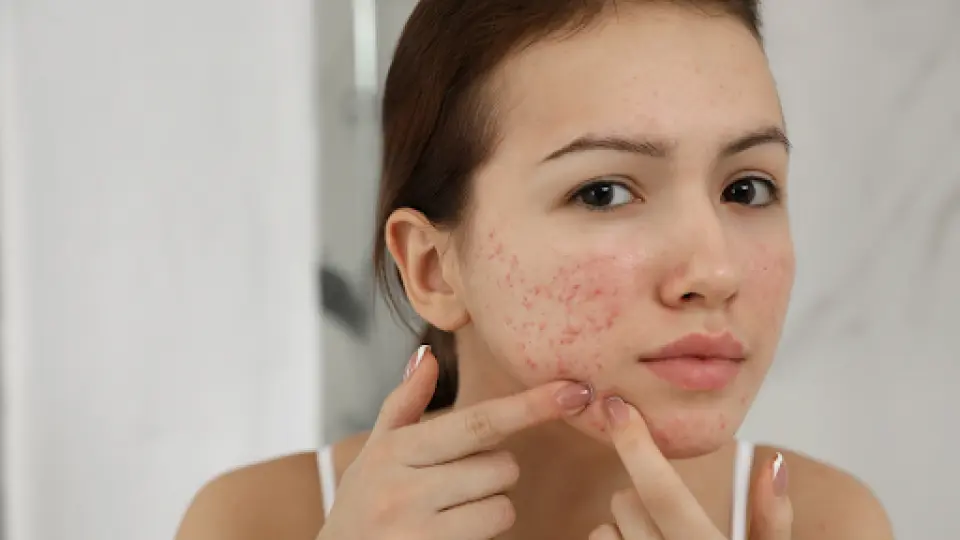
Stress and acne share a complex, interconnected relationship that goes far beyond simple cause and effect. While stress doesn't directly create acne, it can significantly influence skin health and exacerbate existing skin conditions. Understanding this connection can help individuals develop more effective strategies for managing both their mental well-being and acne so itchy?
Modern medical research has revealed the intricate biological mechanisms linking psychological stress to skin health. When we experience stress, our bodies release cortisol, a hormone that triggers multiple physiological responses. These responses can create an environment particularly conducive to acne breakouts.
The Biological Mechanisms of Stress-Induced Acne
Cortisol plays a pivotal role in stress-related skin changes. This hormone stimulates sebaceous glands to produce excess oil, creating an ideal breeding ground for acne-causing bacteria. The increased oil production, combined with inflammation, can lead to more frequent and severe breakouts. Individuals experiencing chronic stress may notice their skin becomes more reactive and prone to chest acne.
Hormonal Interactions and Skin Health
Stress hormones don't just increase oil production. They also disrupt the delicate balance of other hormones in the body. This hormonal cascade can trigger inflammatory responses that make existing acne more pronounced and slower to heal. People with closed comedones may find their condition worsens during high-stress periods.
Psychological Impact and Skin Condition
The relationship between stress and acne is bidirectional. Acne can cause significant psychological distress, which in turn can increase stress levels, creating a challenging cycle to break. Mental health strategies become crucial in managing both skin health and emotional well-being.
Stress Management Strategies for Skin Health
Effective stress reduction can help mitigate acne symptoms. Techniques like meditation, regular exercise, and consistent sleep patterns can lower cortisol levels and reduce inflammatory responses. Mindfulness practices have shown particular promise in helping individuals manage both stress and skin conditions.
Treatment and Management Options
Treatment Approach |
Effectiveness |
Recommended For |
|---|---|---|
Topical Treatments |
Moderate |
Mild to moderate acne |
Oral Medications |
High |
Severe or persistent acne |
Stress Management Techniques |
Moderate to High |
All acne types |
Professional Counseling |
Moderate |
Stress-related skin conditions |
Frequently Asked Questions
Stress doesn't create acne but can significantly worsen existing conditions by increasing inflammation and oil production.
Stress-related skin changes can occur within days of a stressful event, with some individuals experiencing breakouts almost immediately.
Yes, individuals with a predisposition to acne or hormonal imbalances may be more likely to experience stress-related breakouts.
Absolutely. Stress reduction techniques may help lower inflammation and improve overall skin health.
If acne persists or significantly impacts your quality of life, consulting a dermatologist or healthcare provider is recommended.
The Bottom Line
Understanding the complex relationship between stress and acne empowers individuals to take a holistic approach to skin health. By managing stress and seeking appropriate treatments, you can minimize breakouts and improve overall well-being.
Care you can trust. Doctronic is clinically validated with 99% treatment plan alignment.
Related articles
Cancerous Moles vs. Normal Moles: A Visual Guide to Melanoma Warning Signs
Can Allergies Make You Feel Sick? Spring Allergy Symptoms That Mimic Illness

Pain in the Back of Your Knee: What's Causing It and What to Do
Medial Knee Pain: Causes, Diagnosis, and Treatment for Active People
Types of Eczema: Identifying Which One You Have and How to Treat It
Physical Symptoms of Anxiety: When Your Body Keeps the Score
Lymphoma Rash: What It Looks Like and When to Get Checked
Get advice about acne
Chat Now