

Does Laser Therapy Help With Hair Loss?
Understanding Laser Therapy for Hair LossLaser therapy, often called low-level laser therapy (LLLT), uses specific wavelengths of light to stimulate hair follicles. This [...]
Read More
Medically reviewed by Alan Lucks | MD , Alan Lucks MDPC Private Practice - New York on January 1st, 2026. Published on December 31st, 2025. Updated on April 30th, 2026.
Laser therapy is a non-invasive treatment option aimed at stimulating hair growth and slowing hair loss.
Scientific studies show mixed but promising results, especially for certain types of hair loss like androgenetic alopecia.
Understanding how laser therapy works and its limitations helps set realistic expectations for treatment outcomes.
Consulting with healthcare professionals via telehealth services like Doctronic.ai can provide personalized advice and diagnosis.
Combining laser therapy with other treatments may improve overall effectiveness in managing hair loss.
Laser therapy, often called low-level laser therapy (LLLT), uses specific wavelengths of light to stimulate hair follicles. This treatment aims to increase blood flow and cellular activity in the scalp, potentially encouraging hair growth and slowing the progression of hair loss. Many individuals seeking to combat hair thinning are turning to this non-invasive option as a complementary or alternative solution to more traditional methods, such as medications or surgical interventions.
The technology behind laser therapy involves devices such as laser combs, helmets, or caps that emit low-level lasers. These devices are designed to be used regularly over weeks or months to see any noticeable effects. Users often appreciate the convenience of at-home treatments, allowing them to incorporate hair care into their daily routines without the need for frequent clinic visits. The non-invasive nature of LLLT means that it typically comes with minimal side effects, making it an appealing choice for those wary of more aggressive treatments.
Laser light penetrates the scalp and is absorbed by cells in the hair follicles. This process is believed to boost the production of adenosine triphosphate (ATP), the energy source for cells, which may enhance follicle function and promote hair growth. Increased blood circulation delivers more oxygen and nutrients to the scalp, supporting healthier hair follicles. Some studies suggest that LLLT may also reduce inflammation in the scalp, which can be a contributing factor to hair loss. By creating a more favorable environment for hair growth, laser therapy aims to revitalize dormant follicles and encourage the natural hair growth cycle.
Laser therapy is primarily used for androgenetic alopecia, commonly known as male or female pattern baldness. This condition results from genetic and hormonal factors, causing hair follicles to shrink over time. LLLT may also help with other types of hair thinning, but its effectiveness varies depending on the underlying cause. For instance, individuals experiencing hair loss due to stress or certain medical conditions may find varying degrees of success with laser therapy. Ongoing research is exploring the potential of LLLT in treating alopecia areata, an autoimmune condition characterized by sudden hair loss in patches. As the field of laser therapy continues to evolve, more insights are expected to emerge regarding its versatility and efficacy across different types of hair loss.
Clinical studies on laser therapy for hair loss have produced mixed results, but many suggest potential benefits when used consistently. The quality and size of these studies vary, so it is important to interpret findings carefully.
A 2014 randomized controlled trial published in the American Journal of Clinical Dermatology found that participants using LLLT devices experienced significant hair density improvements compared to placebo groups.
Some studies report increased hair thickness and reduced hair shedding after several months of treatment.
Laser therapy is generally safe, with few reported side effects, making it an attractive option for people seeking non-pharmaceutical treatments.
While promising, laser therapy is not a guaranteed solution for everyone. Results can vary widely based on factors like age, extent of hair loss, and consistency of use. It is also less effective for hair loss caused by scarring or medical conditions such as alopecia areata.
Patience is essential, as noticeable changes often take 3 to 6 months or longer. Users should be cautious of products making exaggerated claims without scientific backing.
Laser therapy works best when combined with other treatments tailored to the individual's specific condition. These may include topical medications, oral supplements, or lifestyle changes.
Before starting laser therapy, it is advisable to consult a healthcare professional who can diagnose the cause of hair loss and recommend appropriate treatment options. Telehealth platforms like Doctronic.ai offer convenient access to medical experts who can evaluate symptoms and provide personalized advice without the need for in-person visits.
Minoxidil: A topical treatment approved by the FDA that can be used alongside laser therapy to stimulate hair growth.
Finasteride: An oral medication for men that reduces hormone-related hair loss.
Nutrition and Lifestyle: Ensuring a balanced diet, reducing stress, and avoiding harsh hair treatments can support overall scalp health.
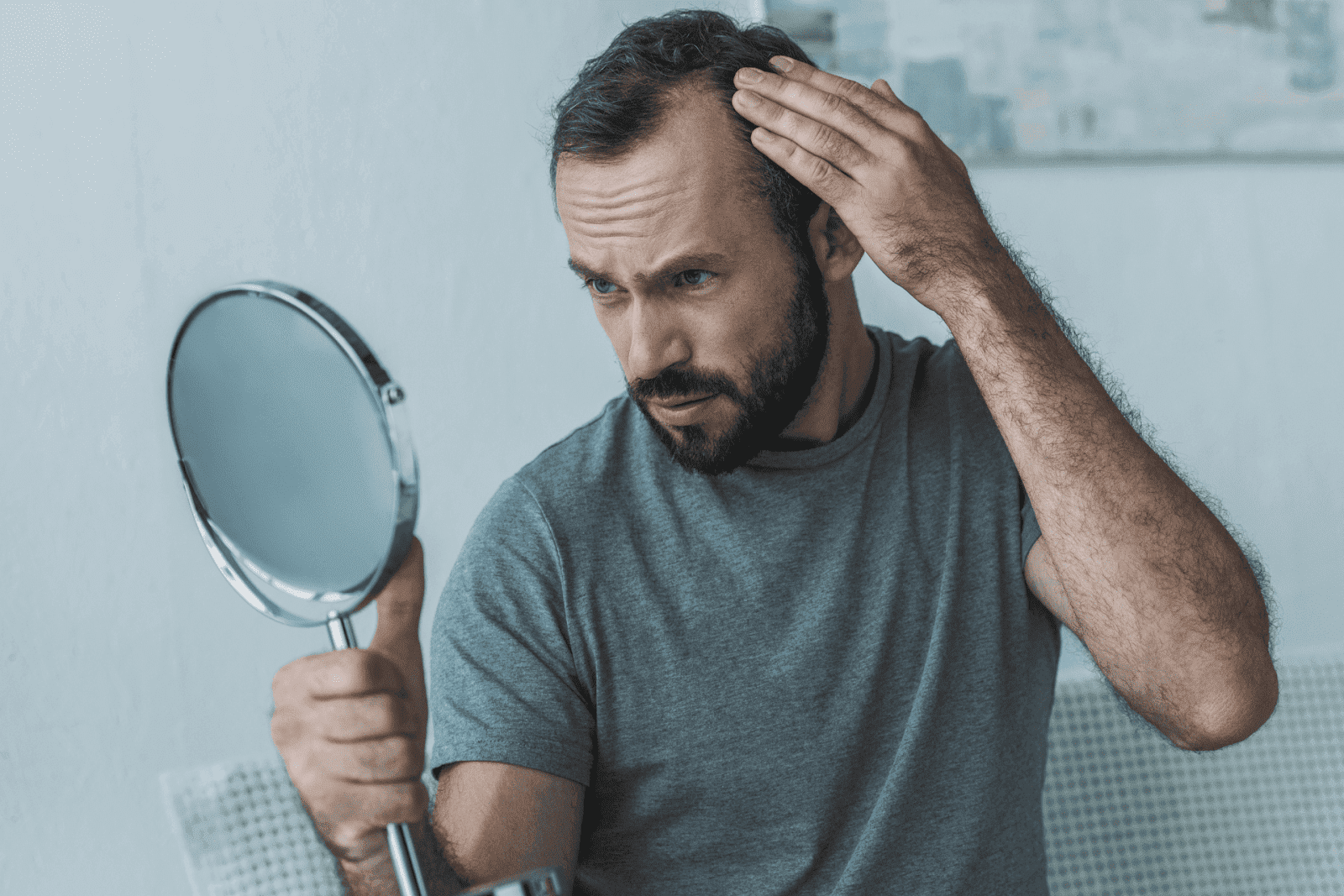 What to Expect When Using Laser Therapy
Consistency is key with laser therapy. Most devices require multiple sessions per week, each lasting 15 to 30 minutes. Users should not expect immediate results and should monitor progress over several months.
Laser therapy is generally well tolerated. Some users may experience mild scalp irritation or redness, but serious side effects are rare. It is important to follow device instructions carefully and discontinue use if adverse reactions occur.
Laser therapy may help slow hair loss and improve hair density, but it is unlikely to fully restore a full head of hair, especially in advanced cases. Understanding these limits helps avoid disappointment and encourages a balanced approach to treatment.
Accessing expert advice on hair loss has never been easier, thanks to telehealth services. Doctronic.ai provides quick, affordable consultations with licensed doctors who can guide you through diagnosis and treatment options, including laser therapy.
Telehealth offers privacy, convenience, and the ability to get personalized medical support from home. This is especially helpful for those who want to explore treatments without the hassle of scheduling in-person appointments.
Laser therapy offers a promising, non-invasive option for people dealing with hair loss, especially androgenetic alopecia. While it is not a miracle cure, it can be part of a comprehensive treatment plan that includes medical consultation and other therapies.
For those considering laser therapy, starting with a professional evaluation through telehealth services like Doctronic.ai can provide clarity and guidance tailored to individual needs. This approach ensures informed decisions and better chances of achieving satisfying results.
Yes, laser therapy is generally safe for all hair types and colors. However, individual responses may vary, so it is best to consult with a healthcare provider before starting treatment.
Most users begin to notice improvements after 3 to 6 months of consistent use. Patience is important, as hair growth cycles take time to respond to treatment.
Yes, laser therapy can be combined with treatments like minoxidil or finasteride to enhance results. Always discuss combination therapies with a medical professional.
Typically, laser therapy for hair loss is considered a cosmetic treatment and is not covered by insurance. Costs vary depending on the device or clinic providing the service.
Side effects are rare but may include mild scalp irritation or redness. If you experience discomfort, stop using the device and consult a healthcare provider.
Understanding Laser Therapy for Hair LossLaser therapy, often called low-level laser therapy (LLLT), uses specific wavelengths of light to stimulate hair follicles. This [...]
Read More
Join 50,000+ readers using Doctronic to understand symptoms, medications,
and next steps.
Add your phone number below to get health updates and exclusive VIP offers.
By providing your phone number, you agree to receive SMS updates from Company. Message and data rates may apply. Reply “STOP” to opt-out anytime. Read our Privacy Policy and Terms of Service for more details.
Save your consults. Talk with licensed doctors and manage your health history.
