

Does Hair Dye Damage and Cause Hair Loss?
Understanding How Hair Dye WorksHair dye changes the color of your hair by penetrating the hair shaft and altering the natural pigment. There are two main types of hair dye: [...]
Read More
Medically reviewed by Alan Lucks | MD , Alan Lucks MDPC Private Practice - New York on December 31st, 2025. Updated on April 30th, 2026
Hair dye can cause damage to the hair shaft, but it does not directly cause permanent hair loss for most people.
Chemicals in hair dye may weaken hair strands, leading to breakage and temporary thinning.
Allergic reactions or scalp irritation from hair dye can contribute to hair shedding in some cases.
Proper hair care and choosing less damaging dye options can minimize risks.
Consulting a healthcare professional or telehealth service like Doctronic.ai is recommended if you experience unusual hair loss after dyeing.
Hair dye changes the color of your hair by penetrating the hair shaft and altering the natural pigment. There are two main types of hair dye: temporary and permanent. Temporary dyes coat the hair surface and wash out after a few shampoos. Permanent dyes, on the other hand, use chemicals such as ammonia and peroxide to open the hair cuticle and deposit color inside the cortex.
This chemical process can be harsh on hair. The cuticle, which protects the inner layers of the hair, can become damaged or lifted, making hair more vulnerable to breakage. However, this damage is mostly cosmetic and affects the hair strand itself rather than the hair follicle embedded in the scalp.
In addition to the basic mechanics of hair dyeing, it's important to consider the variety of formulations available on the market. Many brands now offer ammonia-free options that utilize gentler ingredients, aiming to minimize damage while still providing vibrant color. These alternatives often include natural oils and conditioning agents that help to nourish the hair during the dyeing process, making it a more appealing choice for those concerned about hair health.
Advancements in technology have led to the development of semi-permanent dyes that can provide long-lasting color without the commitment of a permanent dye, making them perfect for those who enjoy changing their look frequently.
Another fascinating aspect of hair dye is the cultural significance it holds across different societies. For centuries, people have used various natural substances, such as henna and indigo, to alter their hair color for aesthetic reasons or to signify social status. In contemporary times, hair dye has become a form of self-expression, allowing individuals to showcase their personality and creativity. From bold, unconventional colors like electric blue and fiery red to subtle highlights that enhance natural shades, the choices are endless, reflecting the diverse identities and styles of people around the world.
Many people confuse hair breakage with hair loss. Hair breakage happens when the hair shaft weakens and snaps off, often due to damage from chemicals, heat, or mechanical stress. This can make hair appear thinner or shorter, but does not affect the root or follicle. Factors such as excessive heat styling, tight hairstyles, and environmental stressors can exacerbate this condition, leading to a more pronounced appearance of breakage. Regular trims and the use of nourishing hair products can help mitigate breakage and promote healthier-looking hair.
Hair loss, or shedding, involves the hair falling out from the follicle. This can be temporary or permanent, depending on the cause. Hair dye typically does not cause permanent hair loss because it does not damage the follicle itself. However, understanding the natural hair growth cycle is crucial; hair typically goes through phases of growth, rest, and shedding. During times of stress or hormonal changes, individuals may experience increased shedding, which can be mistaken for hair loss due to dye usage.
In some cases, hair dye can irritate the scalp or trigger allergic reactions. Ingredients like para-phenylenediamine (PPD) are known allergens and can cause inflammation. Scalp inflammation can disrupt the normal hair growth cycle, leading to increased shedding or temporary hair loss. It's essential for individuals to conduct patch tests before using new hair dye products to identify any potential allergic reactions. Those with sensitive skin should consider opting for gentler, ammonia-free formulas that are less likely to cause irritation.
Repeated use of harsh dyes, especially when combined with aggressive bleaching, can weaken hair follicles over time. This may contribute to hair thinning in sensitive individuals. However, such cases are relatively rare and usually reversible when the irritant is removed. It's also worth noting that the overall health of hair can be influenced by diet and lifestyle. A balanced diet rich in vitamins and minerals, particularly biotin, zinc, and omega-3 fatty acids, can support hair health and resilience against damage from chemical treatments. Regular scalp massages and the use of hydrating hair masks can further promote a healthy environment for hair growth, counteracting any potential adverse effects from dyeing.
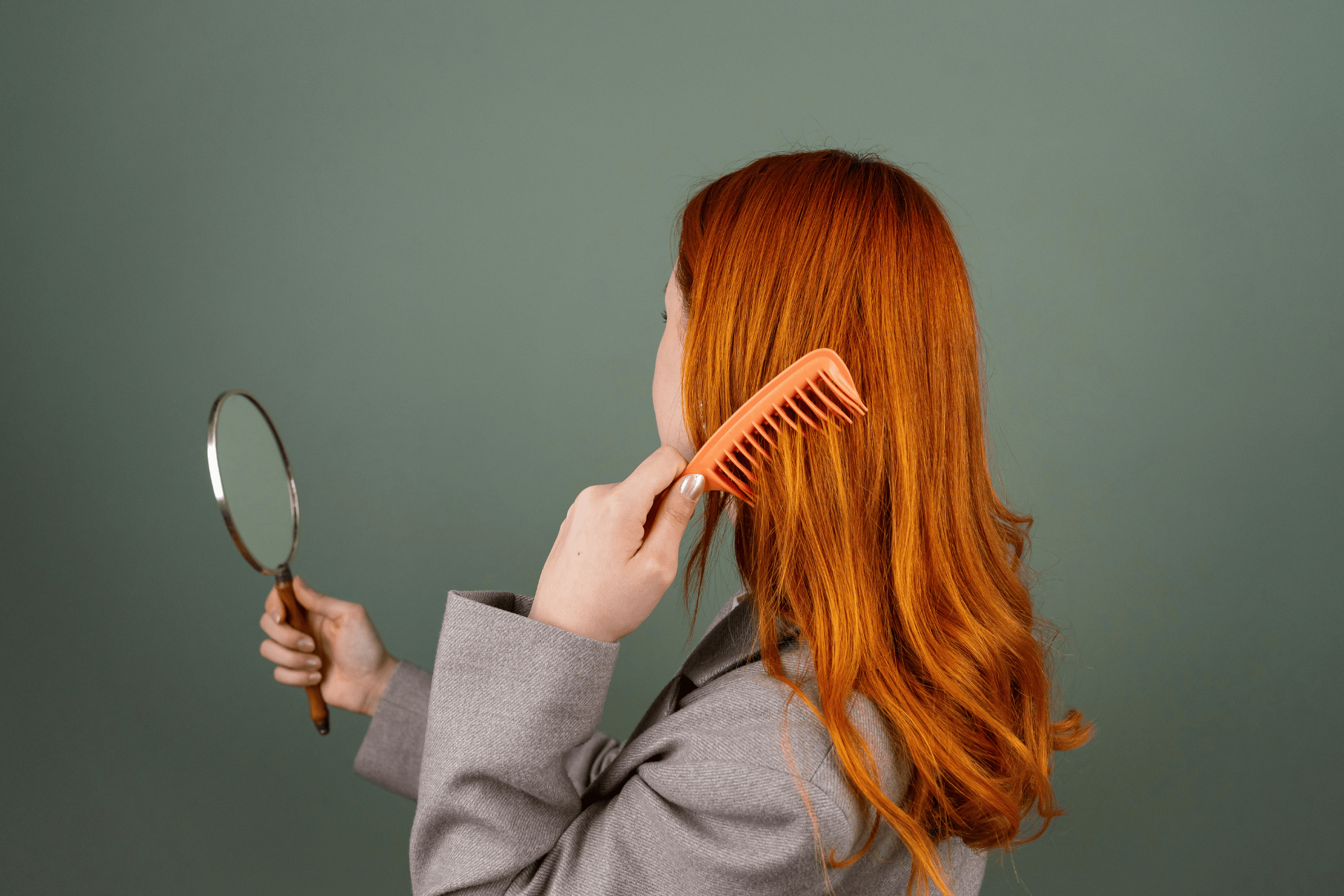 How to Minimize Hair Damage and Protect Your Hair
Opt for ammonia-free or low-peroxide dyes to reduce cuticle damage.
Consider semi-permanent dyes that are less harsh and wash out gradually.
Look for products with conditioning ingredients to help maintain hair health.
Perform a patch test to check for allergic reactions before full application.
Keep hair well-moisturized and avoid washing immediately after dyeing to preserve natural oils.
Use sulfate-free shampoos and conditioners designed for color-treated hair.
Limit heat styling and avoid excessive brushing to prevent mechanical damage.
If you notice significant hair shedding, scalp redness, itching, or pain after dyeing your hair, it is wise to consult a healthcare professional. Persistent hair loss can signal underlying conditions that require treatment.
Telehealth services like Doctronic.ai provide convenient access to medical advice from licensed doctors across all 50 states. They can evaluate your symptoms, offer personalized recommendations, and guide you on the next steps without the need for an in-person visit.
There is no evidence that hair dye causes permanent baldness. While it can damage hair strands, the follicles usually remain intact and healthy.
Even natural dyes can cause allergic reactions or scalp irritation. Always perform a patch test regardless of the product type.
Frequent dyeing increases the risk of hair damage but does not guarantee hair loss. Proper hair care and using gentle products can prevent most issues.
Tracking changes in your hair and scalp health can be tricky without expert guidance. AI-powered telehealth platforms like Doctronic.ai offer a fast and accessible way to get medical insights. Their AI doctor synthesizes the latest peer-reviewed medical research to answer your questions and provide treatment recommendations quickly.
With unlimited access and personalized care, Doctronic.ai helps you understand whether your hair concerns require medical attention or simple lifestyle adjustments. This is especially useful for those who dye their hair regularly and want to maintain healthy hair without unnecessary visits to a clinic.
Hair dye does carry some risk of damage and temporary hair thinning, but it does not directly cause permanent hair loss for most people. By choosing gentler products, following good hair care practices, and monitoring your scalp health, you can enjoy hair color with minimal risk.
If you experience unusual hair shedding or scalp symptoms after dyeing, do not hesitate to seek professional advice. Doctronic.ai makes it easier than ever to get trustworthy medical guidance from the comfort of your home.
Yes, some ingredients in hair dye, such as PPD, can cause allergic reactions leading to redness, itching, and swelling on the scalp or skin.
No, hair breakage is when hair strands snap off, while hair loss involves hair falling out from the follicle. Hair dye mainly causes breakage rather than follicle damage.
It depends on the type of dye and your hair's condition. Generally, waiting 4 to 6 weeks between dye jobs helps minimize damage.
Natural dyes may be gentler but can still cause allergic reactions. Always do a patch test before use.
If you experience significant shedding, scalp pain, or irritation lasting more than a few days, consult a healthcare professional or use a telehealth service like Doctronic.ai for advice.
Hair dye can damage hair strands and cause breakage or temporary shedding, but it rarely causes permanent hair loss. Choosing gentler products, caring for your scalp, and getting expert guidance, such as through Doctronic.ai, can help you color your hair safely while protecting long-term hair health.
Understanding How Hair Dye WorksHair dye changes the color of your hair by penetrating the hair shaft and altering the natural pigment. There are two main types of hair dye: [...]
Read More
Join 50,000+ readers using Doctronic to understand symptoms, medications,
and next steps.
Add your phone number below to get health updates and exclusive VIP offers.
By providing your phone number, you agree to receive SMS updates from Company. Message and data rates may apply. Reply “STOP” to opt-out anytime. Read our Privacy Policy and Terms of Service for more details.
Save your consults. Talk with licensed doctors and manage your health history.
