

Does Aetna Cover Zepbound?
Advancing Obesity Treatment With Zepbound and Modern Telehealth SolutionsIn recent years, the rise of obesity and related health issues has prompted a greater focus on [...]
Read More
Medically reviewed by Alan Lucks | MD , Alan Lucks MDPC Private Practice - New York on November 25th, 2025. Updated on April 16th, 2026
Prior authorization requires BMI ≥30 kg/m² (or ≥27 kg/m² with diabetes, hypertension, or sleep apnea) plus documented failure of at least one previous weight loss method within 6 months.
Clinical trials demonstrate average weight loss of 15-20% over 72 weeks by targeting dual GIP and GLP-1 hormone receptors, significantly outperforming single-pathway medications.
Coverage varies dramatically between employer plans versus individual marketplace policies—some exclude all obesity medications while others cover with 20-50% copay after deductible.
Common side effects include nausea (up to 29% of patients), diarrhea, and vomiting, typically peaking during dose escalation periods and often requiring 4-8 weeks to resolve.
Monthly out-of-pocket costs range from $25-$1,000+ depending on plan tier, with manufacturer savings cards potentially reducing copays to $25 for eligible commercial insurance patients.
In recent years, the rise of obesity and related health issues has prompted a greater focus on effective treatment options. Zepbound, with its unique mechanism of action, not only aids in weight loss but also addresses the physiological factors contributing to obesity-related conditions, such as obstructive sleep apnea. This multifaceted approach makes it a significant advancement in the realm of obesity treatment, providing patients with a comprehensive tool to improve their overall health. As research continues to unveil the long-term benefits and potential side effects of Zepbound, healthcare professionals are increasingly optimistic about its role in managing chronic weight issues.
The integration of technology in healthcare, particularly through platforms like Doctronic.ai, has transformed the way patients access medical advice and treatment. Telehealth services have become indispensable, especially for those who may face barriers to traditional healthcare settings, such as geographical limitations or mobility issues. By facilitating virtual consultations, patients can engage with healthcare providers to discuss their weight management strategies, receive personalized recommendations, and obtain prescriptions for medications like Zepbound without the need for in-person visits. This not only streamlines the process but also empowers patients to take an active role in their health journey.
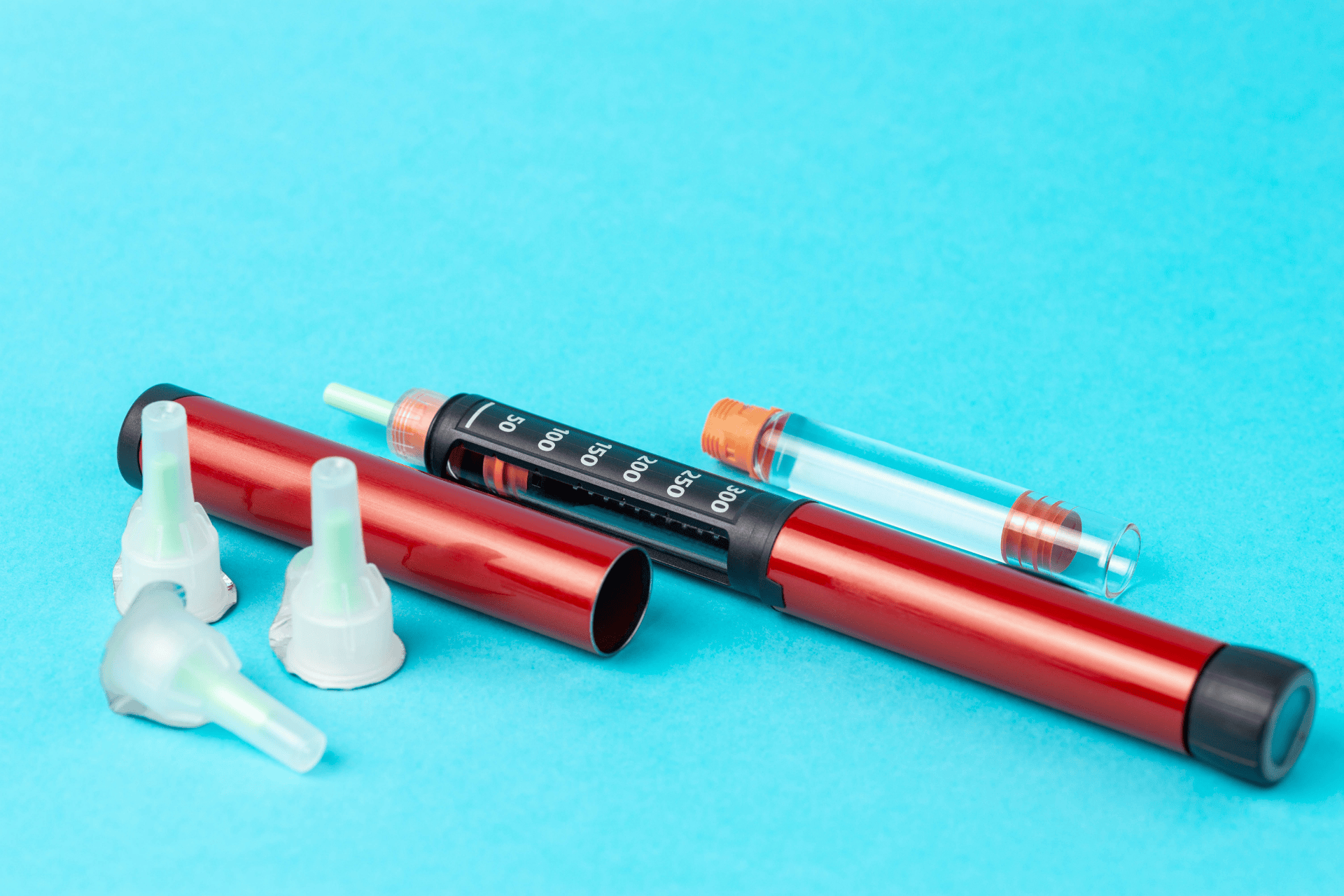 Understanding Zepbound and Its Uses
Zepbound, known generically as tirzepatide, is a once-weekly injectable medication approved by the FDA to help adults with obesity or overweight manage their weight. It also benefits those with moderate to severe obstructive sleep apnea (OSA) related to obesity. Unlike traditional sleep medications, Zepbound works by activating hormone pathways GIP and GLP-1 that regulate appetite, digestion, and insulin release. This leads to reduced hunger and slower stomach emptying, supporting significant and sustained weight loss.
Obstructive sleep apnea often worsens due to excess fat deposits around the airway, causing airway collapse during sleep. By promoting weight loss, Zepbound indirectly improves OSA severity. It does not act directly on sleep centers in the brain but reduces the physical factors contributing to airway obstruction. Patients with OSA caused by anatomical issues unrelated to obesity might not experience the same benefits from Zepbound.
Insurance coverage for medications like Zepbound can be complex. Aetna, one of the largest health insurers in the United States, often requires prior authorization for coverage of weight management drugs. This means your healthcare provider must submit documentation proving medical necessity before Aetna will approve coverage. Coverage can vary widely depending on your specific Aetna plan, your medical history, and whether your condition meets their criteria for treatment.
Aetna typically covers medications that are FDA-approved and medically necessary. Given that Zepbound is FDA-approved for chronic weight management and obesity-related OSA, it is possible that Aetna will cover it. However, patients often face hurdles such as:
Strict eligibility requirements, including BMI thresholds and documented failed attempts at other weight loss methods.
Mandatory prior authorization and sometimes step therapy, requiring patients to try other treatments first.
Potential coverage limitations based on the specific Aetna plan and geographic location.
It is essential to check your individual policy details or speak with an Aetna representative to understand your coverage options.
Getting started with Zepbound often begins with a healthcare provider evaluating your health status and determining if the medication is appropriate. Telehealth platforms like Doctronic.ai offer convenient, affordable access to licensed doctors who can assess your condition from home. Doctronic’s AI-powered system provides rapid, evidence-based evaluations and can connect you with doctors for video visits 24/7 across all 50 states.
Once a doctor prescribes Zepbound, they can help submit the necessary paperwork for prior authorization to Aetna. Telehealth providers like Doctronic.ai streamline this process by keeping detailed records of your visits and medical history, which can be critical in meeting insurance requirements. Their AI system remembers your health information over time, ensuring a personalized approach that supports insurance claims and follow-ups.
Even with insurance, some patients may face copays or coinsurance for Zepbound. It’s wise to ask your provider or insurance about potential out-of-pocket costs. Many pharmaceutical companies also offer patient assistance programs that can help reduce expenses. Combining telehealth consultations with insurance navigation support can save both time and money.
Zepbound is most effective when paired with healthy lifestyle habits. This includes balanced nutrition, regular physical activity, and ongoing medical supervision. Weight loss achieved through Zepbound can improve metabolic health and reduce the severity of obesity-related conditions like OSA, but it is not a standalone cure.
Common side effects of Zepbound include nausea, reduced appetite, diarrhea, constipation, and abdominal discomfort. Staying in close contact with your healthcare provider, whether through telehealth or in-person visits, is crucial to managing these effects and adjusting treatment as needed.
Doctronic.ai stands out as a leading telehealth platform that combines cutting-edge AI with personalized care. Their AI doctor synthesizes the latest peer-reviewed medical research to provide fast, accurate answers about your health. Unlike typical telehealth services, Doctronic remembers your medical history and tailors recommendations specifically to you. This approach is invaluable when managing complex conditions like obesity and sleep apnea, where ongoing monitoring and adjustments are essential.
Whether you want to explore Zepbound as a treatment option or need help navigating insurance coverage like Aetna’s policies, Doctronic.ai offers a convenient, affordable, and patient-focused solution. Visit Doctronic.ai to start your journey toward better health today.
 Aetna Coverage for Zepbound
While Aetna’s coverage of Zepbound is not guaranteed for every plan or patient, the medication’s FDA approval and clinical benefits make it a strong candidate for insurance approval. Understanding your plan’s requirements, working closely with healthcare providers, and leveraging telehealth platforms like Doctronic.ai can significantly improve your chances of accessing this innovative treatment. Remember, successful weight management and sleep apnea improvement require a comprehensive approach that includes medication, lifestyle changes, and ongoing medical support.
Coverage depends on your specific Aetna plan and meeting medical necessity criteria. Prior authorization is usually required.
Yes, platforms like Doctronic.ai provide telehealth consultations where licensed doctors can evaluate your condition and prescribe medications if appropriate.
Nausea, reduced appetite, diarrhea, headaches, allergic reactions, constipation, and abdominal discomfort are common. Reporting side effects to your doctor is important.
No, Zepbound helps reduce OSA severity by promoting weight loss, which decreases airway obstruction but does not directly treat sleep apnea.
Contact Aetna customer service or review your plan documents. Your healthcare provider can also assist with prior authorization and insurance inquiries.
Coverage depends entirely on your specific plan's formulary and meeting strict medical criteria including BMI thresholds and documented weight management failures. Success requires thorough documentation from your healthcare provider and understanding your plan's prior authorization process. If you're navigating insurance coverage for weight management medications, Doctronic can help evaluate your eligibility and guide you through the approval process.
Advancing Obesity Treatment With Zepbound and Modern Telehealth SolutionsIn recent years, the rise of obesity and related health issues has prompted a greater focus on [...]
Read More
Join 50,000+ readers using Doctronic to understand symptoms, medications,
and next steps.
Add your phone number below to get health updates and exclusive VIP offers.
By providing your phone number, you agree to receive SMS updates from Company. Message and data rates may apply. Reply “STOP” to opt-out anytime. Read our Privacy Policy and Terms of Service for more details.
Save your consults. Talk with licensed doctors and manage your health history.
