
Do IUDs Cause Weight Gain?

Medically reviewed by Alan Lucks | MD, Alan Lucks MDPC Private Practice - New York on December 9th, 2025.
Published on December 8th, 2025. Updated on July 23rd, 2026.
Questions about IUDs and weight gain?
Free. Anonymous. Built by doctors.
This article covers general information. Ask Doctronic about your symptoms, medications, side effects, or treatment options.
Key takeaways
Weight gain is a common concern for those considering intrauterine devices (IUDs) as birth control.
Different types of IUDs may affect the body differently, but evidence linking IUDs to weight gain is limited.
Hormonal IUDs release progestin, which some believe could influence weight, but research shows mixed results.
Non-hormonal copper IUDs do not affect hormones and are unlikely to cause weight changes.
For personalized advice and telehealth consultations, Doctronic.ai provides expert medical guidance 24/7.
Understanding IUDs and Their Types
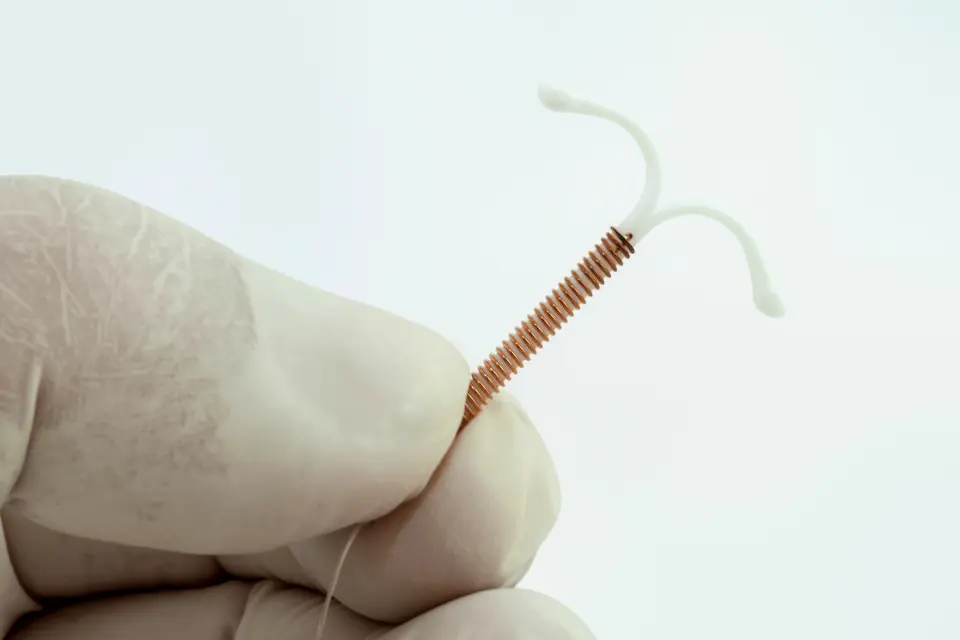
Intrauterine devices, or IUDs, are among the most effective forms of reversible birth control available today. They are small, T-shaped devices inserted into the uterus to prevent pregnancy. There are two main types: hormonal and non-hormonal.
Hormonal IUDs release a synthetic form of the hormone progestin. This hormone thickens cervical mucus to block sperm and thins the uterine lining to prevent implantation. Non-hormonal IUDs, such as copper IUDs, work by releasing copper ions that are toxic to sperm, preventing fertilization without altering hormone levels.
How Hormonal IUDs Work
Hormonal IUDs deliver a low dose of progestin locally within the uterus. This targeted hormone release means systemic hormone levels are generally lower than with other hormonal contraceptives like the pill. The goal is to provide effective contraception with minimal side effects.
Non-Hormonal Copper IUDs
Copper IUDs do not release hormones. Instead, copper acts as a natural spermicide inside the uterus. Because they do not affect hormone levels, copper IUDs are often chosen by individuals who prefer hormone-free contraception or cannot tolerate hormonal methods.
Does Weight Gain Occur with IUD Use?
Weight gain is a common worry when starting any new contraceptive, especially hormonal ones. Many people wonder if IUDs cause weight gain and, if so, how much.
What Research Says About Hormonal IUDs and Weight
Scientific studies have explored whether hormonal IUDs contribute to weight changes. The findings are mixed but generally show no significant weight gain caused directly by the device. Some users report slight weight fluctuations, but these are often within normal ranges and may be influenced by other factors like lifestyle, diet, and stress.
One reason hormonal IUDs might be suspected of causing weight gain is the presence of progestin. Hormonal contraceptives with systemic progestin have been linked to weight changes in some cases, but the low hormone levels from an IUD make this less likely. Most clinical trials and reviews conclude that hormonal IUDs do not cause meaningful weight gain.
Weight Changes with Copper IUDs
Since copper IUDs do not affect hormone levels, they are not associated with weight gain. Users who experience weight changes while using a copper IUD are likely influenced by other factors unrelated to the device.
Individual Differences Matter
Every person’s body reacts differently to contraceptives. Factors such as metabolism, diet, activity level, and genetics play a significant role in weight changes. Some users may notice minor weight fluctuations after IUD insertion, but these are not common or consistent enough to be attributed directly to the IUD.
 Other Side Effects to Consider
While weight gain is often the focus, it is important to understand the full range of potential side effects when choosing an IUD.
Hormonal IUD Side Effects
Irregular spotting or bleeding, especially in the first few months
Possible mood changes or breast tenderness
Reduced menstrual bleeding over time, sometimes leading to amenorrhea
Most side effects tend to improve after the initial adjustment period.
Copper IUD Side Effects
Heavier menstrual bleeding and increased cramping, especially during the first few cycles
Spotting between periods
These side effects often diminish after several months.
When to Talk to a Doctor About Weight and IUDs
If weight gain or other symptoms concern you after getting an IUD, consulting a healthcare provider is the best step. They can help determine whether your symptoms relate to the IUD or other causes.
Using Telehealth for Convenient Medical Advice
Doctronic.ai offers quick, affordable telehealth visits with licensed doctors across all 50 states. You can discuss your symptoms, ask questions about your IUD, and receive personalized recommendations without leaving home.
Doctronic’s AI-powered platform provides fast, evidence-based answers and connects you with doctors for video visits at under $40. This makes it easier than ever to get reliable medical advice about contraceptives and weight concerns.
Tips for Managing Weight While Using an IUD
Regardless of contraceptive choice, maintaining a healthy lifestyle supports overall well-being and can help manage weight effectively.
Healthy Eating Habits
Focus on balanced meals with plenty of vegetables, lean proteins, and whole grains
Limit processed foods and sugary drinks
Stay hydrated by drinking enough water daily
Regular Physical Activity
Aim for at least 150 minutes of moderate exercise per week
Include both cardio and strength training activities
Find enjoyable activities to stay motivated
Monitor Changes and Seek Support
Keep track of any changes in your weight or symptoms after IUD insertion. If you notice significant or persistent weight gain, mood changes, or other issues, reach out to a healthcare provider promptly.
Get IUD counseling treatment online today
A licensed doctor can review your symptoms and send a prescription to your pharmacy, often the same day.
- $39 video visit
- Insurance accepted
- 4.8 on Trustpilot
Understanding Your Options
Choosing the right birth control method depends on many factors, including your health, lifestyle, and preferences. If weight gain is a major concern, discussing options with a medical professional can help you make an informed decision.
Alternative Contraceptives
Birth control pills, patches, or rings
Implants or injections
Barrier methods like condoms or diaphragms
Permanent options, such as tubal ligation
Each method has its own benefits and potential side effects. Personalized advice from a doctor can guide you toward the best choice.
How Doctronic.ai Can Help
Doctronic.ai combines advanced AI with real doctors to offer quick, trustworthy medical guidance. Whether you want to learn more about IUDs, discuss side effects, or explore other contraceptive options, Doctronic.ai is a convenient resource available anytime.
IUDs and Weight
Concerns about weight gain are common when considering birth control, but current evidence does not support the idea that IUDs cause significant weight changes. Hormonal IUDs release low doses of progestin, making weight gain unlikely, while copper IUDs do not influence hormones at all.
Individual experiences vary, and many factors beyond contraception affect weight. If you have concerns, consult a healthcare professional. Telehealth platforms like Doctronic.ai provide accessible, affordable medical advice to help you make informed decisions about your reproductive health.
Frequently Asked Questions
Most research indicates that hormonal IUDs do not cause significant or consistent weight gain. Some users may experience minor changes, but these are usually not directly caused by the device.
Weight gain is not commonly linked to either type of IUD. Copper IUDs do not affect hormones, so they are less likely to influence weight. Hormonal IUDs release low levels of progestin, which rarely cause weight changes.
Track your symptoms and lifestyle factors, then consult a healthcare provider to discuss your concerns. Telehealth services like Doctronic.ai make it easy to get expert advice quickly.
Yes, side effects can include changes in bleeding patterns, cramping, mood shifts, or breast tenderness. Most side effects improve after a few months, but persistent symptoms should be evaluated by a doctor.
Absolutely. If an IUD does not suit you, your healthcare provider can help you explore other options that better fit your needs and preferences.
References
Related articles

How to Calm an Anxiety Attack: Techniques That Work in the Moment


Melasma vs. Hyperpigmentation: Key Differences and Treatment Approaches

Sun Allergy: Why Your Skin Reacts to UV and How to Manage It

Poison Ivy Rash Stages: What to Expect from Day 1 to Full Healing

Can Allergies Make You Feel Sick? Spring Allergy Symptoms That Mimic Illness


Supplements for Depression: What the Evidence Says About Natural Options

Plantar Fasciitis Treatment: A Runner's Guide to Getting Back on Your Feet

Poison Ivy Rash Treatment: Home Remedies vs. Medical Care
Get medical advice
Chat Now