
Do Hair Vitamins Actually Work?

Medically reviewed by Alan Lucks | MD, Alan Lucks MDPC Private Practice - New York on December 31st, 2025.
Published on December 30th, 2025. Updated on July 23rd, 2026.
Key takeaways
Hair vitamins can support hair health, but are not miracle cures for hair loss.
Effectiveness depends on underlying causes such as nutritional deficiencies or medical conditions.
Key nutrients like biotin, vitamin D, iron, and zinc play important roles in hair growth.
Consulting a healthcare provider or using telehealth services like Doctronic.ai can help identify the right approach.
A balanced diet, proper hair care, and medical evaluation are critical alongside supplements.
Understanding Hair Vitamins and Their Role
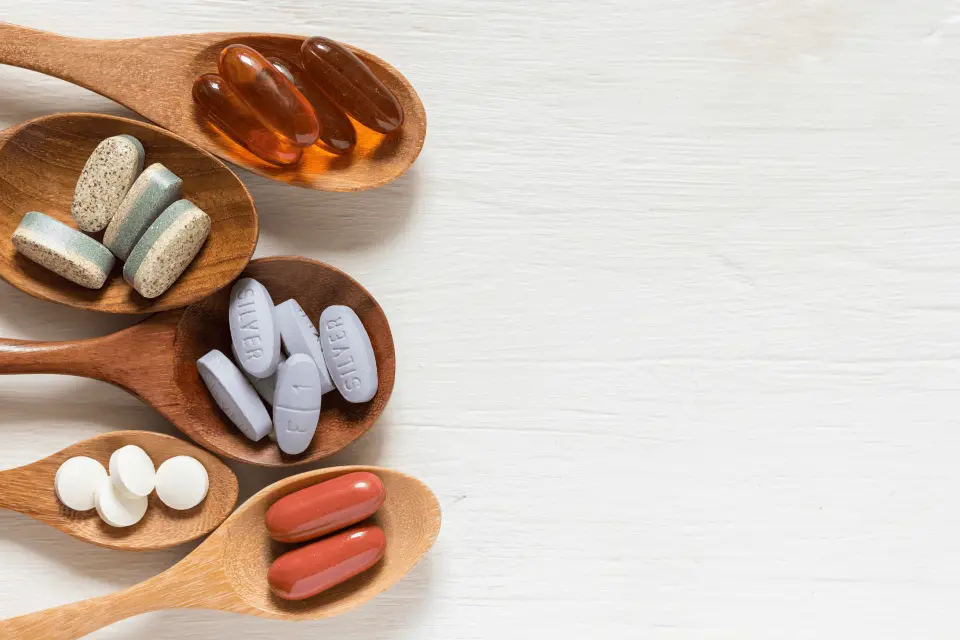
Hair vitamins are supplements formulated to provide nutrients believed to support hair growth and strength. They often include biotin, vitamin D, iron, zinc, and other vitamins and minerals linked to hair health. The idea is that by filling nutritional gaps, these vitamins can improve hair quality and reduce hair loss. Many people turn to these supplements in hopes of achieving luscious locks, but it’s essential to understand that they are just one piece of the puzzle when it comes to hair care.
However, hair loss and thinning can stem from various causes, including genetics, hormonal changes, stress, and medical conditions. Vitamins alone cannot address all these factors, but they may help if a deficiency is involved. Lifestyle choices such as diet, exercise, and stress management play a crucial role in overall hair health. For instance, a balanced diet rich in antioxidants and healthy fats can complement the effects of hair vitamins, promoting not just hair growth but also overall well-being.
Common Nutrients in Hair Vitamins
Biotin is one of the most popular ingredients, often touted for improving hair thickness and shine. Vitamin D supports hair follicle cycling, while iron deficiency is a well-known cause of hair shedding, especially in women. Zinc helps maintain the oil glands around hair follicles, and other B vitamins contribute to healthy hair growth. Omega-3 fatty acids, often found in fish oil supplements, are gaining attention for their potential to nourish hair follicles and promote scalp health, making them an excellent addition to any hair care regimen.
When Hair Vitamins Might Help
People with poor diets, certain medical conditions, or nutrient deficiencies may see benefits from taking hair vitamins. For example, someone with iron-deficiency anemia might experience hair loss that improves with iron supplementation. But for those with normal nutrient levels, extra vitamins might not make a noticeable difference. It's also worth noting that the effectiveness of hair vitamins can vary from person to person, influenced by individual health conditions and genetic predispositions. Consulting with a healthcare professional before starting any supplement regimen can help tailor the approach to one’s specific needs and ensure that the right nutrients are being targeted for optimal results.
Scientific Evidence on Hair Vitamins
Research on hair vitamins shows mixed results. Some studies demonstrate improvement in hair density and quality when correcting specific deficiencies. Others find limited benefit in healthy individuals without nutritional gaps. While the allure of quick fixes for hair health is strong, understanding the underlying nutritional needs is crucial for effective treatment.
Biotin and Hair Health
Biotin deficiency is rare but can cause hair thinning. Supplementing biotin may help those with a deficiency, but evidence supporting biotin use in people with normal levels is limited. High doses of biotin can also interfere with certain lab tests, so caution is advised. Interestingly, biotin is a water-soluble B vitamin that plays a significant role in the metabolism of fatty acids, amino acids, and glucose, which are essential for maintaining healthy hair follicles. Some anecdotal evidence suggests that biotin-rich foods, such as eggs, nuts, and whole grains, can promote overall hair health, making a balanced diet an important aspect of hair care.
Vitamin D and Hair Growth
Vitamin D receptors play a role in hair follicle cycling. Low vitamin D levels have been linked to hair loss conditions like alopecia areata. Supplementation might improve hair growth in deficient individuals, but more research is needed to confirm benefits for the general population. Vitamin D is crucial for the immune system and has been suggested to help combat inflammation, which could also impact hair health. Sources of vitamin D include sunlight exposure, fatty fish, and fortified foods, highlighting the importance of a holistic approach to nutrition that encompasses not just supplementation but also lifestyle choices.
Iron and Zinc
Iron deficiency is a common cause of hair shedding, especially in women. Correcting iron deficiency often improves hair growth. Zinc deficiency can also contribute to hair loss, but excessive zinc intake may have adverse effects, so balance is key. Zinc plays a vital role in protein synthesis and cellular division, both of which are essential for hair growth. Foods rich in zinc, such as oysters, red meat, and legumes, can help maintain adequate levels. The interplay between iron and zinc is complex; both are necessary for optimal immune function and cellular health, further emphasizing the need for a well-rounded diet to support hair vitality.
 How to Approach Hair Health Effectively
Taking hair vitamins without understanding the root cause of hair loss may lead to disappointment. A comprehensive approach includes proper diagnosis, balanced nutrition, and appropriate hair care.
Get a Professional Evaluation
Before starting any supplement, it is important to identify if a deficiency or medical condition is causing hair problems. Telehealth platforms like Doctronic.ai offer convenient access to licensed doctors who can evaluate symptoms, order tests, and recommend personalized treatment plans without leaving home.
Maintain a Balanced Diet
A diet rich in protein, healthy fats, and a variety of vitamins and minerals supports hair growth naturally. Whole foods like leafy greens, nuts, seeds, fish, and eggs provide essential nutrients more effectively than supplements alone.
Practice Good Hair Care
Gentle handling of hair, avoiding excessive heat styling, and using mild shampoos can reduce breakage and promote healthier hair. Managing stress and getting enough sleep also play important roles.
Potential Risks and Considerations with Hair Vitamins
While hair vitamins are generally safe, overuse or taking supplements without medical advice can cause problems.
Possible Side Effects
High doses of certain vitamins, like vitamin A or biotin, may lead to toxicity or interfere with lab tests. Some supplements contain ingredients that can cause allergic reactions or interact with medications.
Quality and Regulation
Supplements are not regulated as strictly as medications. Choosing reputable brands and consulting healthcare providers can help ensure safety and effectiveness.
Hair Vitamins
Hair vitamins can be a helpful part of a broader strategy for improving hair health, especially when addressing specific nutritional deficiencies. They are not a guaranteed solution for all types of hair loss. A personalized approach that includes professional medical advice, lifestyle changes, and proper hair care is the most effective way to support healthy hair.
For anyone concerned about hair loss or interested in starting supplements, consulting with a healthcare provider is a smart first step. Doctronic.ai provides quick, affordable access to expert advice and telehealth visits, making it easier to get the right guidance from home.
Frequently Asked Questions
Hair vitamins mainly help those with nutritional deficiencies. If hair loss is due to genetics, hormonal changes, or other causes, vitamins alone may not be effective.
Yes, excessive intake of certain vitamins can cause side effects or toxicity. It is important to follow recommended dosages and consult a healthcare provider.
Hair growth is a slow process. It may take several months of consistent supplementation and care before noticing improvements.
Treatment depends on the cause. Options include medical therapies, lifestyle changes, and addressing underlying health issues. A doctor can help determine the best approach.
Yes, telehealth services like Doctronic.ai offer convenient consultations with doctors who can assess your hair concerns and recommend tests or treatments.
References
Best Vitamins & Supplements for Hair Growth - Cleveland Clinic
Iron deficiency hair loss: Symptoms, treatment, and regrowth - MedicalNewsToday
The Bottom Line
Hair vitamins may support hair growth if you have a nutrient deficiency, but they are not a universal solution for hair loss. The most effective approach is identifying the underlying cause and combining proper nutrition, hair care, and expert medical guidance services like Doctronic.ai makes it easy to get personalized evaluations and treatment recommendations from licensed professionals.
Related articles


How to Calm an Anxiety Attack: Techniques That Work in the Moment

Melasma vs. Hyperpigmentation: Key Differences and Treatment Approaches

Sun Allergy: Why Your Skin Reacts to UV and How to Manage It

Poison Ivy Rash Stages: What to Expect from Day 1 to Full Healing

Can Allergies Make You Feel Sick? Spring Allergy Symptoms That Mimic Illness

Supplements for Depression: What the Evidence Says About Natural Options

Plantar Fasciitis Treatment: A Runner's Guide to Getting Back on Your Feet

Poison Ivy Rash Treatment: Home Remedies vs. Medical Care
Get hair loss advice
Chat Now