
Comprehensive Guide to Maintaining Healthy Teeth and Gums

Medically reviewed by Oghenefejiro Okifo | MD, Harvard Medical School | Henry Ford Hospital - Detroit, MI on August 11th, 2026.
Published on December 21st, 2023.
Key takeaways
Brush for 2 minutes using fluoride toothpaste containing at least 1,000 ppm fluoride, angling bristles at 45 degrees toward the gumline to effectively remove plaque bacteria.
Floss daily before brushing to dislodge food particles between teeth where 40% of tooth surfaces are located—areas your toothbrush cannot reach.
Professional cleanings every 6 months remove tartar buildup that causes gingivitis, while early detection can prevent 90% of serious dental problems from progressing.
Limit sugar exposure to under 10% of daily calories and avoid sipping acidic drinks throughout the day, as frequent acid attacks weaken enamel for up to 30 minutes after consumption.
Use antimicrobial mouthwash containing cetylpyridinium chloride or chlorhexidine after brushing to reduce bacterial load by up to 99% in hard-to-reach areas.
Keeping your teeth and gums healthy is essential for maintaining overall health and well-being. With proper care, you can prevent tooth decay and gum disease, ensuring that your smile stays bright and healthy throughout your life. This comprehensive guide will walk you through the five basic steps to caring for your teeth and gums.
Step 1: Brushing Your Teeth
Brushing your teeth is the foundation of good oral hygiene. It is recommended to brush at least twice a day, ideally after every meal. Here are some tips for proper brushing:
- Use a soft-bristled toothbrush and fluoride toothpaste
- Hold the toothbrush at a 45-degree angle to your gums
- Use gentle, circular motions to clean each tooth
- Brush the front, back, and chewing surfaces of your teeth
- Gently brush your tongue to remove bacteria and freshen your breath
Remember to replace your toothbrush every 3 to 4 months and avoid brushing too hard, as this can damage your enamel.
Step 2: Flossing Your Teeth
Flossing is just as important as brushing, as it helps remove food particles and plaque between your teeth where your toothbrush cannot reach. Floss at least once a day, using the following technique:
- Take about 18 inches of floss and wind it around your middle fingers
- Gently guide the floss between your teeth using your index fingers
- Move the floss up and down against each tooth and along the gum line
- Use a clean section of floss for each tooth
See a doctor online today
A licensed doctor can review your symptoms online, talk through next steps, and send a prescription to your pharmacy if appropriate.
- $39 video visit
- Insurance accepted
- 4.8 on Trustpilot
Step 3: Rinsing Your Mouth
Mouthwash can help kill bacteria, prevent plaque buildup, and freshen your breath. Rinse with an antiseptic mouthwash at least once a day, swishing it around your mouth for 30 to 60 seconds. A fluoride rinse can also help prevent tooth decay and cavities.
Step 4: Eating Right for Dental Health
Your diet plays a significant role in maintaining healthy teeth and gums. To promote good dental health, eat a balanced diet and minimize your intake of sugary and starchy foods, which can lead to tooth decay. Some tips for a dental-friendly diet include:
- Choosing low-fat or fat-free dairy products for calcium
- Avoiding snacks like candies, cookies, chips, and dried fruits
- Drinking plenty of water to keep your mouth clean and moist

Step 5: Visiting Your Dentist Regularly
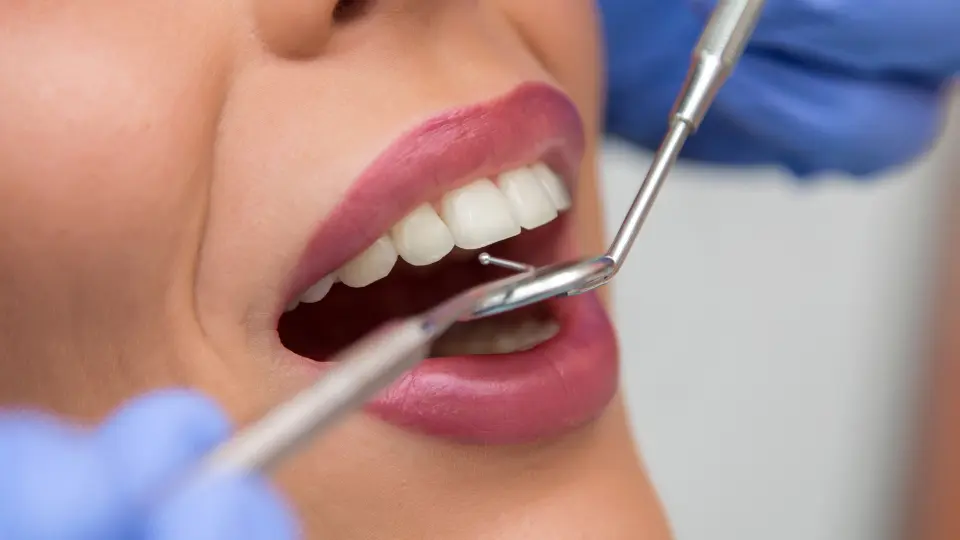
Regular dental check-ups and professional cleanings are essential for maintaining healthy teeth and gums. Visit your dentist at least once every six months, or more frequently if you experience pain, bleeding, or swollen gums. Your dentist can also provide additional preventive measures, such as dental sealants, to protect your teeth from decay.
Additional Tips for Maintaining Healthy Teeth and Gums
- If you have severe heartburn or bulimia, seek treatment to prevent acid erosion of your enamel
- Be cautious of poorly chlorinated swimming pools, which can damage your teeth
- Stay hydrated and chew sugarless gum to combat dry mouth
- If you grind your teeth, talk to your dentist about a custom-fitted mouth guard
By following these five steps and incorporating the additional tips into your daily routine, you can maintain healthy teeth and gums throughout your life. Remember, prevention is key when it comes to dental health, so stay proactive and visit your dentist regularly.
For more information on maintaining healthy teeth and gums, visit:
- American Dental Association - Home Oral Care
- Mouth Healthy - Brushing Your Teeth
- Colgate - How to Floss
The Bottom Line
Consistent daily brushing, flossing, and limiting sugar intake combined with biannual professional cleanings prevent most dental problems before they require expensive treatment. Establishing these habits early can save thousands in future dental costs while protecting your overall health. If you're experiencing tooth pain or gum irritation, Doctronic can help connect you with appropriate dental care.
Related articles
Best Foods For Healing After Tooth Extraction: Complete Recovery Diet Guide






Lump Under Jaw or Chin: Causes, Red Flags & When to Seek Care

Get personalized health advice
Chat Now