Skin Cancer
Cancerous Moles vs. Normal Moles: A Visual Guide to Melanoma Warning Signs
April 17, 2026
6 min read

Medically reviewed by Lauren Okafor | MD, The Frank H Netter MD School of Medicine, Loyola University Medical Center on May 2nd, 2026.
Published on March 24th, 2026. Updated on July 23rd, 2026.
Most people who get shingles will not develop it a second time - recurrence affects only 1-5% of patients
Immunocompromised individuals have higher rates of shingles recurrence
The Shingrix vaccine can prevent shingles recurrence even in people who've already had an outbreak
Recurrent shingles episodes tend to be milder than the initial outbreak
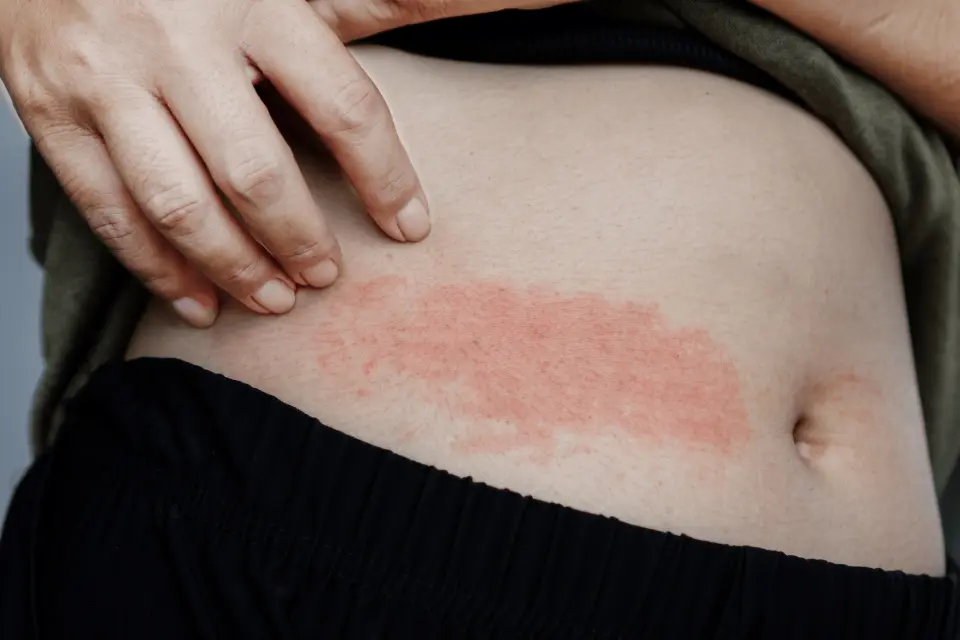
If you've experienced the painful, blistering rash of shingles, you're probably wondering whether this ordeal could happen again. The good news is that most people who develop shingles will never get it a second time. However, the varicella-zoster virus that causes shingles remains dormant in your body for life, meaning repeat episodes are possible under certain circumstances.
Understanding your risk factors and prevention options can help you take control of your health and potentially avoid future outbreaks. While shingles recurrence is relatively rare, knowing what to watch for and when to seek medical attention is crucial for optimal health outcomes.
Shingles develops when the varicella-zoster virus, which initially causes chickenpox, reactivates after years or decades of lying dormant in your nerve roots. After you recover from chickenpox, the virus doesn't leave your body. Instead, it travels to nerve tissue near your spinal cord and brain, where it remains inactive in structures called dorsal root ganglia.
When your immune system becomes weakened due to aging, stress, illness, or medication, the virus can "wake up" and travel along nerve pathways to your skin, causing the characteristic painful rash and blisters associated with shingles. This reactivation process explains why shingles typically affects one side of the body in a band-like pattern following specific nerve pathways called dermatomes.
The virus can potentially reactivate multiple times because it remains present in various nerve root locations throughout your body. Each outbreak may affect different nerve pathways, which is why repeat episodes often appear in different areas than the original infection. The immune response generated by one shingles episode provides some protection, but it's not complete immunity.
Age-related immune decline represents the primary risk factor for getting shingles twice, with recurrence rates increasing after age 80. As your immune system naturally weakens with age, it becomes less capable of keeping the dormant virus suppressed, creating opportunities for reactivation.
Immunosuppressive medications prescribed for autoimmune conditions, organ transplant recipients, or cancer treatment create additional vulnerability. Patients taking corticosteroids, chemotherapy drugs, or biologics face substantially higher recurrence rates because these treatments deliberately reduce immune system function.
Chronic stress, major illness, or physical trauma can trigger viral reactivation by temporarily compromising immune defenses. The body's stress response releases hormones like cortisol that can suppress immune function, potentially allowing the virus to emerge from dormancy. Serious infections, surgical procedures, or emotional trauma may precede a repeat shingles outbreak.
HIV/AIDS patients, organ transplant recipients, and individuals undergoing chemotherapy represent the highest-risk groups for recurrent shingles, with some studies showing recurrence rates approaching 25% in severely immunocompromised populations.
Recurrent shingles episodes typically occur in different dermatomes or nerve pathways than the original outbreak. This pattern suggests that while your immune system develops some memory against the virus after the first episode, protection isn't universal across all nerve locations where the virus remains dormant.
The time between episodes varies dramatically, ranging from several months to decades, with studies showing an average gap of 8-10 years between first and second occurrences. Some patients experience repeat episodes within a few years, while others may never have a recurrence despite living with the dormant virus for decades.
Second episodes often present with milder symptoms and shorter duration compared to the initial outbreak. The immune system's previous exposure to the reactivated virus appears to provide partial protection, leading to less severe pain, fewer blisters, and faster healing times in many cases.
Postherpetic neuralgia, the chronic nerve pain that can persist after shingles blisters heal, remains possible with recurrent episodes but occurs less frequently than with first-time infections. However, older adults and immunocompromised patients still face elevated risks for this painful complication.
Population |
Recurrence Rate |
Key Risk Factors |
|---|---|---|
Healthy adults under 65 |
1-3% |
Age, stress, minor illness |
Adults over 80 |
5-8% |
Immune senescence, frailty |
Immunocompromised patients |
10-25% |
Medications, underlying disease |
Overall population studies indicate shingles recurrence affects only 1-5% of patients, with healthy younger adults falling at the lower end of this range. Age represents the most significant factor, as recurrence rates gradually increase with advancing years due to natural immune system decline.
Immunocompromised patients experience dramatically higher recurrence rates, with some studies documenting rates between 10-25% depending on the severity of immune suppression. Cancer patients receiving chemotherapy, organ transplant recipients taking anti-rejection medications, and individuals with HIV/AIDS face the greatest risk.
Women demonstrate slightly higher recurrence rates than men, with studies showing approximately 6% versus 4% lifetime risk respectively. The reasons for this gender difference remain unclear but may relate to hormonal influences on immune function or differences in stress response patterns.
Family history of recurrent shingles increases individual risk by 30-40%, suggesting genetic factors influence both initial susceptibility and recurrence likelihood. However, environmental and lifestyle factors remain more significant predictors than genetics alone.
The Shingrix vaccine offers excellent protection against both first-time shingles and recurrent episodes. Clinical trials demonstrate 97% effectiveness at preventing initial shingles episodes in healthy adults over 50, with protection remaining above 85% for at least four years after vaccination.
For individuals who have already experienced shingles, Shingrix reduces recurrence risk by approximately 51%. This protection represents a substantial benefit, particularly for older adults or those with risk factors for repeat episodes. The vaccine works by boosting your immune system's ability to control the dormant virus.
Antiviral medications taken during active outbreaks may reduce the likelihood of future recurrences by limiting viral replication and spread within nerve tissue. Prompt treatment with medications like acyclovir, valacyclovir, or famciclovir can shorten episode duration and potentially decrease recurrence risk.
Lifestyle modifications supporting immune system health include stress management techniques, regular exercise, adequate sleep, and proper nutrition. While these measures can't guarantee prevention, maintaining overall health helps your immune system control dormant viruses more effectively.
Recurrent shingles episodes are typically milder than the initial outbreak, with less severe pain and fewer complications. However, older adults and immunocompromised patients still face risks for serious complications including postherpetic neuralgia, bacterial skin infections, and rarely, neurological complications requiring immediate medical attention.
Yes, the Shingrix vaccine reduces recurrence risk by approximately 51% even in people who have already experienced shingles. The CDC recommends vaccination for all adults over 50, including those with a history of shingles, unless they have contraindications to vaccination.
You should wait until your shingles rash has completely healed before receiving the Shingrix vaccine. This typically means waiting 2-4 weeks after all blisters have crusted over and new skin has formed. Your healthcare provider can determine the optimal timing based on your healing progress.
Most insurance plans, including Medicare Part D, cover the Shingrix vaccine for adults over 50 regardless of previous shingles history. Coverage may vary by plan, so check with your insurance provider about specific benefits, copays, and preferred pharmacy networks for vaccine administration.
Yes, seek medical attention within 72 hours of symptom onset for optimal treatment effectiveness. Early antiviral therapy can reduce episode severity, shorten duration, and potentially decrease future recurrence risk. Don't wait to see if symptoms worsen, as prompt treatment provides the best outcomes.
While the vast majority of people who experience shingles will never get it again, recurrence remains possible, particularly for older adults and those with compromised immune systems. Understanding your personal risk factors helps you make informed decisions about prevention strategies, including vaccination with Shingrix, which offers substantial protection against repeat episodes. The encouraging news is that recurrent shingles tends to be milder than initial outbreaks, and effective treatments are available when episodes do occur. Maintaining good overall health through stress management, proper nutrition, and regular medical care supports your immune system's ability to keep the dormant virus under control. If you're concerned about shingles recurrence or have questions about vaccination, Doctronic's medical AI can provide personalized guidance based on your health history and risk factors.
Ready to take control of your health? Get started with Doctronic today.
Get personalized health advice
Chat Now
Join 50,000+ readers using Doctronic to understand symptoms, medications,
and next steps.
Add your phone number below to get health updates and exclusive VIP offers.
By providing your phone number, you agree to receive SMS updates from Company. Message and data rates may apply. Reply “STOP” to opt-out anytime. Read our Privacy Policy and Terms of Service for more details.
Save your consults. Talk with licensed doctors and manage your health history.