Treatments and Prevention
Can Diet Cause Hair Loss? Foods That May Help or Hurt
December 23, 2025
6 min read

Medically reviewed by Alan Lucks | MD, Alan Lucks MDPC Private Practice - New York on December 31st, 2025.
Published on December 29th, 2025. Updated on July 23rd, 2026.
Stress can trigger several types of hair loss, including telogen effluvium and alopecia areata.
Hair loss from stress is often temporary but can be distressing and impact self-esteem.
Understanding how stress affects hair growth helps in managing symptoms and seeking appropriate care.
Effective treatment may combine stress reduction, medical evaluation, and telehealth consultations.
Doctronic.ai offers fast, AI-powered medical guidance and access to doctors for hair loss concerns.
Hair grows in cycles, alternating between growth, rest, and shedding phases. Stress can disrupt this natural cycle, pushing more hair follicles into the shedding phase prematurely. This disruption often leads to noticeable hair thinning or patchy loss.
There are several ways stress affects hair:
Telogen effluvium occurs when significant stress causes hair follicles to enter the resting phase too early. Normally, about 85-90% of hair follicles are in the growth phase, but stress can increase the number entering the shedding phase to 30% or more. This results in diffuse hair thinning, usually appearing two to three months after the stressful event. The condition can be triggered by various stressors, including major life changes, illness, or even hormonal fluctuations, making it essential to identify and manage the underlying causes of stress to promote healthier hair growth.
Interestingly, the body’s response to stress involves the release of hormones such as cortisol, which can have a profound impact on hair follicles. Chronic elevation of cortisol levels can lead to inflammation and disrupt the delicate balance of nutrients necessary for hair health. Therefore, addressing stress not only aids in preventing hair loss but also contributes to overall well-being.
In some cases, stress can trigger alopecia areata, where the immune system attacks hair follicles, causing sudden, patchy hair loss. This condition may require medical treatment and can be more challenging to manage without professional guidance. Alopecia areata is particularly perplexing as it can affect individuals of any age and is often accompanied by other autoimmune disorders, indicating a deeper connection between stress and immune function.
Research suggests that the psychological impact of alopecia areata can also exacerbate feelings of anxiety and depression, creating a vicious cycle that further affects hair health. Support groups and therapy can be invaluable for those dealing with this condition, providing emotional support and coping strategies to help manage both the psychological and physical aspects of hair loss.
Another stress-related cause is trichotillomania, a psychological condition where individuals pull out their own hair in response to anxiety or tension. This behavior leads to uneven hair loss and requires both psychological and medical intervention. Often, trichotillomania is linked to underlying issues such as obsessive-compulsive disorder (OCD) or other anxiety disorders, making it crucial to approach treatment holistically.
Behavioral therapies, such as habit reversal training, can be effective in helping individuals recognize and alter their hair-pulling behaviors. Mindfulness practices and stress management techniques can empower those affected to cope with their urges in healthier ways. Understanding the triggers and developing a supportive network can significantly improve outcomes for individuals struggling with trichotillomania, ultimately fostering a healthier relationship with their hair and self-image.
 Recognizing Stress-Related Hair Loss
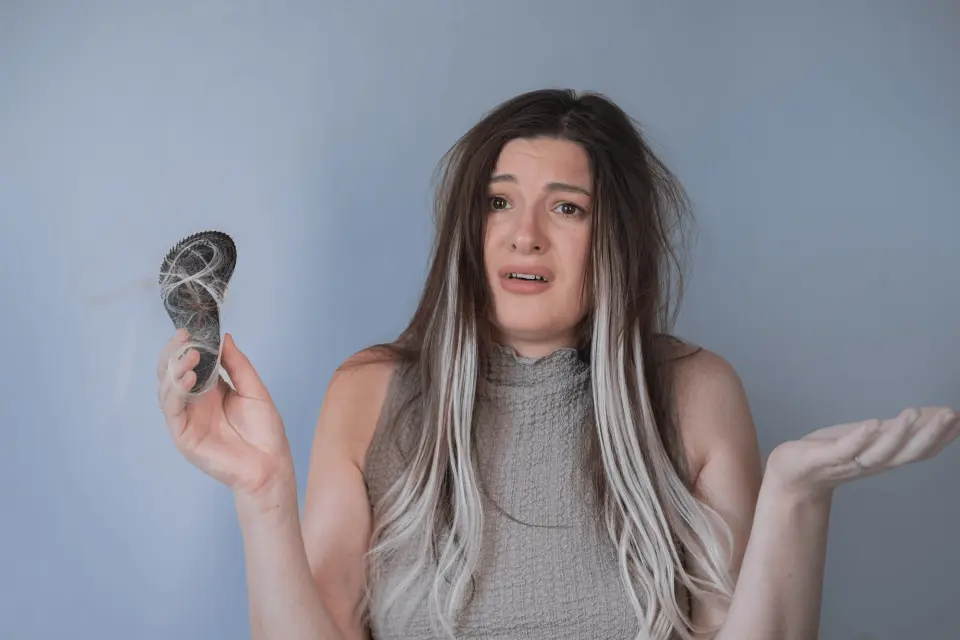
Understanding the signs of stress-related hair loss helps in seeking timely care. Hair shedding that is sudden, diffuse, or patchy following a stressful event is a common indicator. It is important to note that hair loss from stress usually does not cause complete baldness and often improves once stress levels decrease.
Typically, hair loss related to stress appears two to three months after the triggering event. This delay occurs because hair follicles take time to shift from the growth phase to the shedding phase. Being aware of this timeline can help connect hair loss symptoms to stress causes.
Increased hair shedding during washing or brushing
Noticeable thinning on the scalp rather than complete bald spots
Patchy areas of hair loss, especially in alopecia areata
Itching or scalp discomfort, which may indicate other scalp conditions
Hair loss caused by stress can be upsetting, but there are effective ways to manage both the physical and emotional effects.
Reducing stress is a key step in preventing further hair loss and encouraging regrowth. Techniques include:
Regular exercise to improve mood and circulation
Mindfulness practices such as meditation or yoga
Establishing healthy sleep routines
Seeking social support or counseling when needed
It is important to rule out other causes of hair loss, such as nutritional deficiencies, hormonal imbalances, or underlying medical conditions. Consulting a healthcare provider can help identify the exact cause and recommend appropriate treatments.
For quick and convenient access to medical advice, Doctronic.ai offers AI-powered doctor visits and telehealth consultations 24/7 across all 50 states. This service provides personalized care and can guide you on whether further testing or specialist referral is necessary.
Gentle hair care can minimize additional damage. Avoid harsh chemicals, excessive heat styling, and tight hairstyles that pull on the hair. Eating a balanced diet rich in vitamins and minerals supports healthy hair growth.
While stress-related hair loss often improves with time and lifestyle changes, certain signs warrant prompt medical evaluation:
If hair loss continues beyond six months or worsens despite stress management, professional assessment is important to identify other causes.
Patchy bald spots may indicate alopecia areata or other scalp conditions requiring medical treatment.
Symptoms such as scalp pain, severe itching, or signs of infection should be evaluated by a healthcare provider.
Doctronic.ai provides a fast, reliable way to get medical answers and schedule telehealth visits with licensed doctors who can help diagnose and treat hair loss issues. This is especially helpful for those who want immediate guidance without waiting for in-person appointments.
Artificial intelligence is transforming how people access medical information and care. Doctronic.ai uses advanced AI to synthesize the latest medical research and provide personalized answers about hair loss and related health concerns.
Instant answers to common hair loss questions
Access to licensed doctors for video visits anytime
Convenient and affordable care under $40 per visit
Personalized recommendations based on your medical history
Doctronic’s AI doctor remembers your previous visits and health details, offering continuity in care. Whether you need a second opinion or ongoing support, this technology helps you navigate hair loss concerns with confidence.
Hair loss linked to stress can feel overwhelming, but it is often reversible with the right approach. Combining stress management, medical evaluation, and supportive care can restore hair health over time.
Using Doctronic.ai allows you to quickly connect with expert advice and treatment options, making it easier to address hair loss before it impacts your quality of life.
Stress-related hair loss is usually temporary. Once stress levels decrease, hair growth often resumes. However, chronic stress or untreated conditions may lead to longer-lasting effects.
Hair typically starts to regrow within three to six months after the stressful event ends, but full recovery can take up to a year, depending on individual factors.
Maintaining a healthy lifestyle, managing stress, and addressing any underlying medical issues are the best ways to support hair regrowth. Some topical treatments and supplements may help, but should be used under medical supervision.
If hair loss is sudden, patchy, or accompanied by scalp symptoms, or if it persists beyond six months, consulting a healthcare provider is recommended. Telehealth services like Doctronic.ai offer convenient access to medical advice.
AI doctors provide fast, evidence-based answers and can guide you on next steps, including when to see a specialist. They offer personalized care and continuous support, making them a valuable tool in managing hair health.
Yes, stress can cause hair loss, most often temporarily, by disrupting the normal hair growth cycle. Managing stress, caring for your overall health, and getting timely medical guidance can help hair regrow and prevent ongoing shedding. Telehealth services like Doctronic.ai make it easy to get expert advice and personalized support to address stress-related hair loss early and effectively.
Get advice about hair loss
Chat Now
Join 50,000+ readers using Doctronic to understand symptoms, medications,
and next steps.
Add your phone number below to get health updates and exclusive VIP offers.
By providing your phone number, you agree to receive SMS updates from Company. Message and data rates may apply. Reply “STOP” to opt-out anytime. Read our Privacy Policy and Terms of Service for more details.
Save your consults. Talk with licensed doctors and manage your health history.