

Can Mounjaro Cause Hair Loss?
Understanding Mounjaro and Its UsesMounjaro is a prescription medication designed to help people with type 2 diabetes manage their blood sugar levels. It also aids weight [...]
Read More
Medically reviewed by Alan Lucks | MD , Alan Lucks MDPC Private Practice - New York on January 3rd, 2026. Updated on April 30th, 2026
Mounjaro is a medication primarily used to manage type 2 diabetes and support weight loss.
Hair loss is not commonly reported as a direct side effect of Mounjaro, but some patients have expressed concerns.
Hair loss can result from various factors, including medication, stress, nutritional deficiencies, or underlying health conditions.
If you experience hair loss while taking Mounjaro, consulting a healthcare professional is important for proper evaluation.
Telehealth services like Doctronic.ai offer convenient access to medical advice for managing side effects and health concerns.
Mounjaro is a prescription medication designed to help people with type 2 diabetes manage their blood sugar levels. It also aids weight loss, which can benefit metabolic health. The drug works by mimicking certain hormones that regulate insulin and appetite, helping patients control glucose more effectively.
Because of its effects on metabolism and appetite, Mounjaro has gained attention not only for diabetes management but also for its potential in weight reduction. This dual action makes it a valuable tool for many patients, but it also raises questions about possible side effects, including concerns about hair loss.
In addition to its primary functions, Mounjaro has been studied for its impact on cardiovascular health. Research indicates that effective blood sugar management can significantly lower the risk of heart disease, a common complication for those living with diabetes. By incorporating
Mounjaro into their treatment plans, patients may not only achieve better glycemic control but also enhance their overall heart health, leading to a more comprehensive approach to managing their condition.
The lifestyle changes that often accompany Mounjaro use, such as improved diet and increased physical activity, can further contribute to weight loss and better health outcomes. Patients are encouraged to adopt a holistic approach that includes regular monitoring of their blood sugar levels, engaging in regular exercise, and making informed dietary choices. This multifaceted strategy not only maximizes the benefits of Mounjaro but also empowers patients to take an active role in their health management.
In clinical settings, hair loss has not been listed as a common or expected side effect of Mounjaro. Most patients tolerate the medication well, with side effects typically related to gastrointestinal issues such as nausea or diarrhea. However, individual experiences can vary, and some patients have reported hair thinning or shedding anecdotally. It’s important to note that these reports are not widespread and often lack comprehensive clinical backing, which suggests that hair loss may not be a direct consequence of the medication itself but rather a result of other influencing factors.
Hair loss, medically known as alopecia, can be triggered by multiple factors. While Mounjaro itself is not directly linked to hair loss, the following could contribute:
Stress: Starting a new medication or managing a chronic illness can increase physical or emotional stress, which may lead to temporary hair shedding.
Nutritional Changes: Weight loss or changes in diet while on Mounjaro might result in nutrient deficiencies, such as iron or protein, that affect hair health.
Underlying Health Issues: Diabetes and other metabolic conditions can themselves influence hair growth cycles.
Because these factors often overlap, it can be difficult to isolate Mounjaro as the sole cause of hair loss without a thorough medical evaluation. The psychological impact of experiencing hair loss can exacerbate stress levels, creating a feedback loop that further complicates the situation. Patients may find themselves in a cycle of anxiety about their appearance, which can lead to increased hair shedding. It is essential for individuals experiencing these symptoms to consult with healthcare providers who can assess their overall health and recommend appropriate interventions, which may include dietary adjustments or stress management techniques.
It is worth considering that hair growth is a complex process influenced by hormonal balances, genetics, and overall health. For those undergoing treatment with Mounjaro, maintaining a balanced diet rich in vitamins and minerals, particularly those known to support hair health, such as biotin, zinc, and omega-3 fatty acids, could be beneficial. Regular check-ups with healthcare professionals can help monitor any changes in health status and provide tailored advice to mitigate potential side effects, including hair loss. Ultimately, understanding the multifaceted nature of hair health is crucial for anyone concerned about changes during their treatment journey.
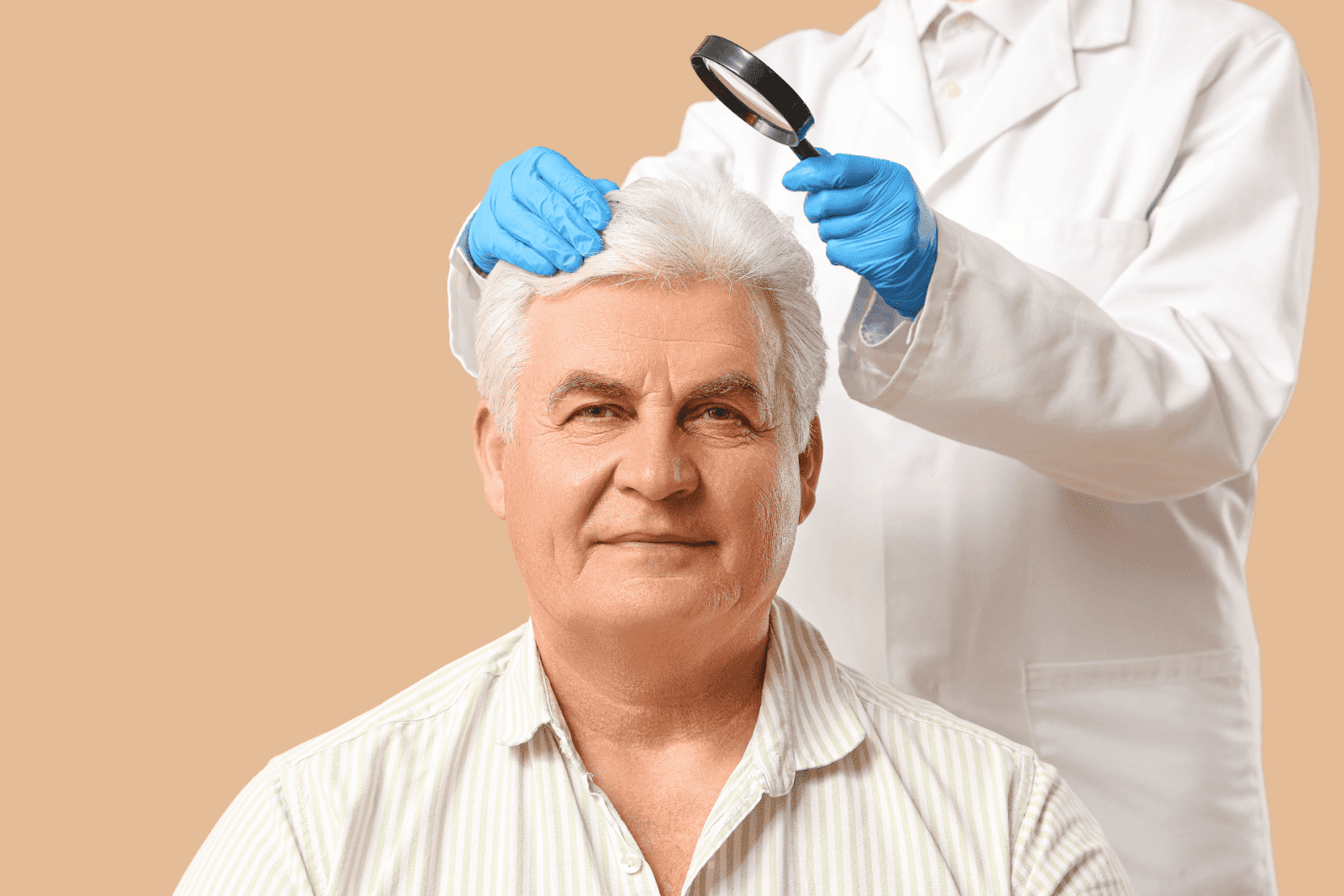 When to Seek Medical Advice About Hair Loss
Not all hair loss requires medical intervention, but certain signs suggest the need for professional evaluation:
Sudden or patchy hair loss
Hair thinning accompanied by scalp irritation or redness
Hair loss lasting more than a few months
Other symptoms like fatigue, weight changes, or skin issues
If you notice any of these, it is important to consult a healthcare provider to determine the cause and appropriate treatment.
Accessing timely medical advice has never been easier, thanks to telehealth platforms. Doctronic.ai offers 24/7 video visits with licensed doctors across all 50 states. This service provides affordable, convenient access to expert guidance without the need to visit a clinic in person.
Through telehealth, patients can discuss symptoms like hair loss, get personalized recommendations, and receive referrals for further testing if needed. This approach is especially valuable for those managing chronic conditions like diabetes and using medications such as Mounjaro.
Taking care of your hair while on any medication includes several straightforward steps:
Maintain a Balanced Diet: Ensure adequate intake of vitamins and minerals, especially iron, zinc, vitamin D, and biotin.
Manage Stress: Incorporate relaxation techniques such as meditation, exercise, or hobbies to reduce stress-related hair shedding.
Avoid Harsh Hair Treatments: Limit the use of heat styling, chemical treatments, and tight hairstyles that can damage hair follicles.
Stay Hydrated: Proper hydration supports overall health, including hair follicle function.
If hair loss is severe or persistent, discussing medication adjustments with a healthcare provider is important. Do not stop or change your dosage without professional guidance. Sometimes, alternative treatments or supportive therapies can be recommended to minimize side effects while maintaining diabetes control.
Hair loss is not a widely recognized side effect of Mounjaro, but individual experiences can vary due to multiple factors. Understanding the potential causes and seeking timely medical advice can help manage this concern effectively.
Telehealth platforms like Doctronic.ai provide a practical way to connect with healthcare professionals who can assess symptoms, offer guidance, and support your overall health journey. Whether you are starting Mounjaro or experiencing unexpected side effects, expert advice is just a video visit away.
There is no evidence to suggest that Mounjaro causes permanent hair loss. Any hair shedding related to medication or stress is usually temporary and reversible with proper care.
If hair loss occurs, it typically happens weeks to months after starting treatment. However, hair loss timing varies widely depending on individual factors.
Do not stop taking Mounjaro without consulting your healthcare provider. They can help determine the cause of hair loss and advise on the best course of action.
Supplements like biotin, iron, and vitamin D may support hair health, but it is important to confirm any deficiencies with a doctor before starting supplements.
Telehealth services such as Doctronic.ai allow you to consult with licensed doctors online, offering convenient and affordable access to care from home.
Hair loss is not a common or proven side effect of Mounjaro, and any shedding that occurs is more likely related to stress, weight changes, or nutritional factors rather than the medication itself. If you’re concerned, Doctronic.ai makes it easy to get expert guidance and personalized advice through convenient telehealth visits.
Understanding Mounjaro and Its UsesMounjaro is a prescription medication designed to help people with type 2 diabetes manage their blood sugar levels. It also aids weight [...]
Read More
Join 50,000+ readers using Doctronic to understand symptoms, medications,
and next steps.
Add your phone number below to get health updates and exclusive VIP offers.
By providing your phone number, you agree to receive SMS updates from Company. Message and data rates may apply. Reply “STOP” to opt-out anytime. Read our Privacy Policy and Terms of Service for more details.
Save your consults. Talk with licensed doctors and manage your health history.
