

Can Diet Cause Hair Loss? Foods That May Help or Hurt
How Diet Affects Hair HealthHair is made primarily of a protein called keratin, which means your diet plays a crucial role in maintaining its strength and growth. When the [...]
Read More
Medically reviewed by Alan Lucks | MD , Alan Lucks MDPC Private Practice - New York on December 30th, 2025. Updated on April 30th, 2026
Hair loss can be influenced by nutritional deficiencies and dietary habits.
Certain foods support hair growth by providing essential vitamins and minerals.
Conversely, some dietary choices may contribute to hair thinning or shedding.
Understanding the relationship between diet and hair health helps in managing or preventing hair loss.
Telehealth services like Doctronic.ai offer accessible advice for personalized care.
Hair is made primarily of a protein called keratin, which means your diet plays a crucial role in maintaining its strength and growth. When the body lacks certain nutrients, hair follicles may weaken, leading to hair thinning or loss. Nutritional deficiencies are among the common causes of hair loss, alongside genetics, hormonal changes, and medical conditions.
Eating a balanced diet rich in vitamins, minerals, and proteins supports the natural cycle of hair growth. On the other hand, diets that are restrictive, unbalanced, or low in key nutrients can disrupt this cycle, causing hair to fall out prematurely. The health of your hair can also reflect the overall state of your body; when you nourish yourself with wholesome foods, you not only enhance your hair's appearance but also boost your overall vitality and well-being.
Protein: Essential for keratin production, found in lean meats, eggs, and legumes.
Iron: Supports oxygen delivery to hair follicles; sources include spinach, red meat, and lentils.
Vitamin D: Plays a role in hair follicle cycling; obtained through sunlight and fortified foods.
Biotin (Vitamin B7): Important for hair structure; found in nuts, eggs, and whole grains.
Zinc: Helps with tissue growth and repair, including hair; available in shellfish, seeds, and nuts.
In addition to these key nutrients, healthy fats such as omega-3 fatty acids are vital for maintaining scalp health and promoting shiny, lustrous hair. These essential fats can be found in fatty fish like salmon, walnuts, and flaxseeds. Incorporating these foods into your diet not only nourishes your hair but also contributes to overall skin health, creating a more vibrant appearance. Hydration is another critical factor; drinking enough water helps to keep hair hydrated and prevents dryness and brittleness, which can lead to breakage.
Antioxidants play a significant role in protecting hair follicles from damage caused by free radicals. Foods rich in antioxidants, such as berries, green tea, and dark chocolate, can help combat oxidative stress, which is known to contribute to hair loss. By including a variety of colorful fruits and vegetables in your meals, you can ensure that your body receives a broad spectrum of these protective compounds, further enhancing the health of your hair and scalp.
Incorporating certain foods into your diet can provide the building blocks your hair needs to stay healthy and strong. These nutrient-rich options are easy to add to meals and snacks.
Hair is mostly protein, so consuming adequate amounts is fundamental. Chicken, turkey, fish, and plant-based proteins like beans and lentils provide the amino acids necessary for keratin synthesis. Fish such as salmon also offer omega-3 fatty acids, which nourish hair follicles and may reduce inflammation that can contribute to hair loss.
Spinach, kale, and other leafy greens are packed with iron, vitamin C, and antioxidants. Vitamin C enhances iron absorption and supports collagen production, which strengthens hair strands. Vegetables also provide folate, which aids in healthy cell growth, including hair cells.
Almonds, walnuts, flaxseeds, and chia seeds supply vitamin E, zinc, and biotin. These nutrients protect hair from oxidative stress and support scalp health. A handful of these daily can contribute to a healthier hair cycle.
Oranges, strawberries, and kiwi are excellent sources of vitamin C, which promotes collagen and helps maintain the integrity of hair follicles. Including these fruits can improve hair strength and reduce breakage.
While many foods support hair health, some dietary choices may have the opposite effect. Understanding these can help you avoid habits that might worsen hair thinning.
Foods high in sugar, refined carbohydrates, and unhealthy fats can cause inflammation and hormonal imbalances, both of which may negatively impact hair growth. Regular consumption of fast food, sugary snacks, and sodas is linked to poorer hair quality and increased shedding.
Alcohol can interfere with the absorption of vital nutrients like zinc and vitamin B, which are critical for hair health. It also dehydrates the body, including the scalp, potentially leading to dry, brittle hair and increased hair loss.
Strict vegetarian or vegan diets that do not adequately replace animal protein and iron sources may lead to deficiencies. Iron deficiency anemia is a well-known cause of hair loss, so careful planning is necessary to ensure sufficient intake from plant-based foods or supplements.
 When to Seek Professional Advice
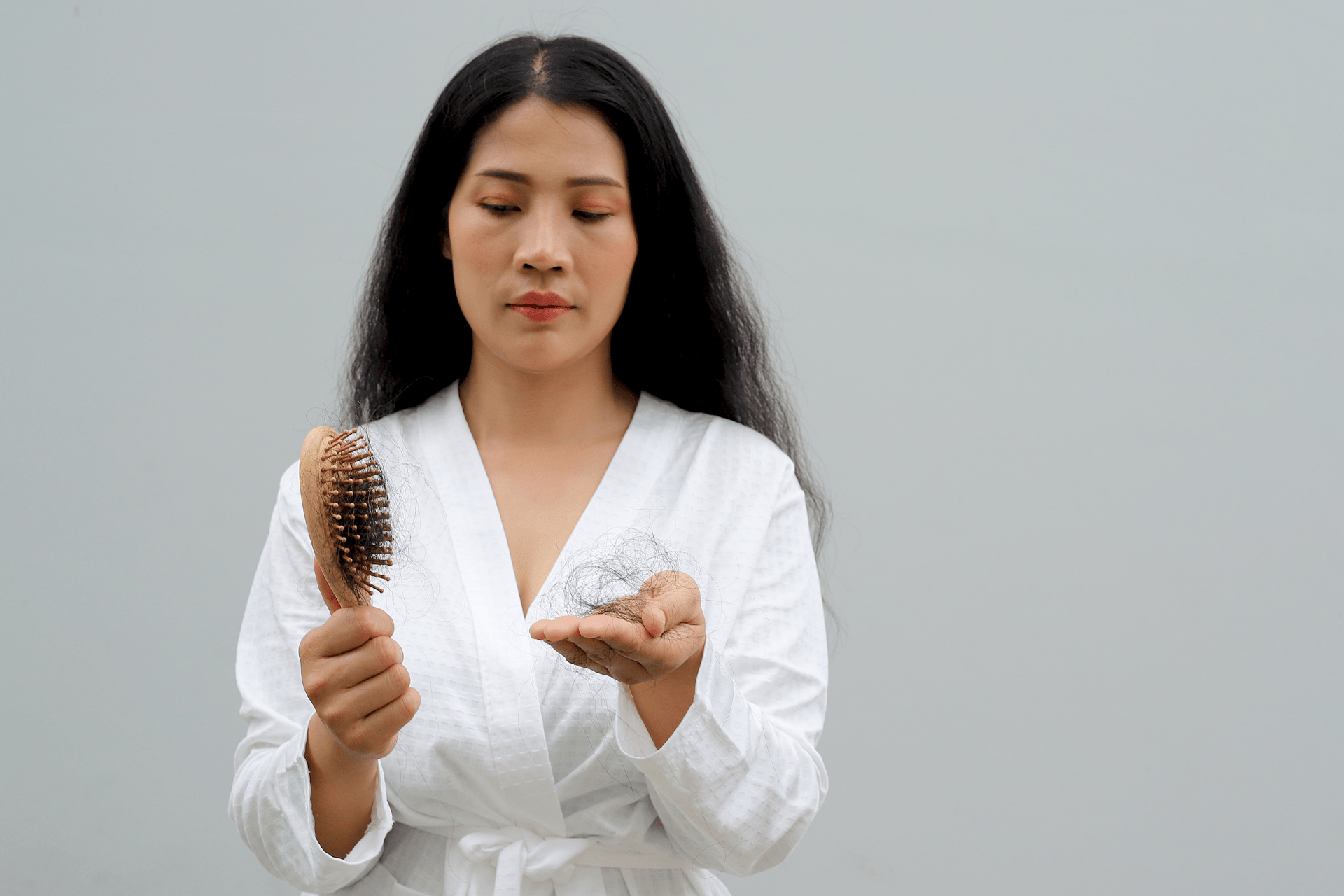
Hair loss can be complex, with many potential causes beyond diet. If you notice sudden or significant hair thinning, it is important to consult a healthcare professional to identify underlying issues such as hormonal imbalances, thyroid disorders, or scalp infections.
Telehealth platforms like Doctronic.ai provide convenient access to medical experts who can evaluate your symptoms and guide you on appropriate treatment and dietary adjustments. Using AI-powered tools, Doctronic offers fast, personalized advice that integrates the latest medical research, helping you make informed decisions about your hair and overall health.
Access to board-certified doctors 24/7 from any state.
Quick diagnosis and treatment recommendations without waiting rooms.
Affordable consultations under $40, making healthcare accessible.
Personalized care that remembers your history for better follow-up.
Making small but consistent changes to your eating habits can improve hair strength and reduce loss over time. Consider these strategies:
Include a source of protein, healthy fats, and vegetables in every meal. This balance ensures you get a range of nutrients needed for hair growth.
Water supports circulation and scalp hydration, which are essential for healthy hair follicles.
Reducing intake of foods that promote inflammation can help maintain a healthy scalp environment.
If you suspect a deficiency, supplements like biotin, iron, or vitamin D may help, but it is best to consult a healthcare provider first to avoid excess intake.
Diet plays a significant role in the health of your hair. By focusing on nutrient-dense foods and avoiding those that may harm hair follicles, you can support natural hair growth and reduce loss. When hair loss persists or worsens, professional advice is essential. Telehealth platforms such as Doctronic offer accessible, affordable, and expert care to help you navigate these concerns with confidence.
High sugar intake can increase inflammation and hormonal imbalances, which may contribute to hair thinning over time. Moderation is key.
Biotin supports hair structure, but unless you have a deficiency, extra biotin may not significantly improve hair growth.
Hair growth cycles take several months, so dietary improvements may take 3 to 6 months to show noticeable effects.
While diet alone may not resolve stress-induced hair loss, proper nutrition supports overall health and recovery.
Yes, especially if hair loss is sudden, patchy, or accompanied by other symptoms. Telehealth services like Doctronic.ai can provide quick assessments and guidance.
How Diet Affects Hair HealthHair is made primarily of a protein called keratin, which means your diet plays a crucial role in maintaining its strength and growth. When the [...]
Read More
Join 50,000+ readers using Doctronic to understand symptoms, medications,
and next steps.
Add your phone number below to get health updates and exclusive VIP offers.
By providing your phone number, you agree to receive SMS updates from Company. Message and data rates may apply. Reply “STOP” to opt-out anytime. Read our Privacy Policy and Terms of Service for more details.
Save your consults. Talk with licensed doctors and manage your health history.
