
Can Birth Control Cause Hair Loss?

Medically reviewed by Alan Lucks | MD, Alan Lucks MDPC Private Practice - New York on December 31st, 2025.
Published on December 23rd, 2025. Updated on July 23rd, 2026.
Key takeaways
Birth control can influence hair health due to the hormonal changes it causes in the body.
Both hair thinning and hair loss are possible side effects, but they are relatively uncommon.
Different types of birth control have varying impacts on hair, depending on their hormone composition.
Understanding how hormones affect hair growth cycles helps explain why some people experience hair loss.
If hair loss occurs, consulting a healthcare provider through telehealth services like Doctronic.ai can offer personalized assessment and guidance.
Questions about birth control and hair loss?
Free. Anonymous. Built by doctors.
This article covers general information. Ask Doctronic about your symptoms, medications, side effects, or treatment options.
How Hormones in Birth Control Affect Hair
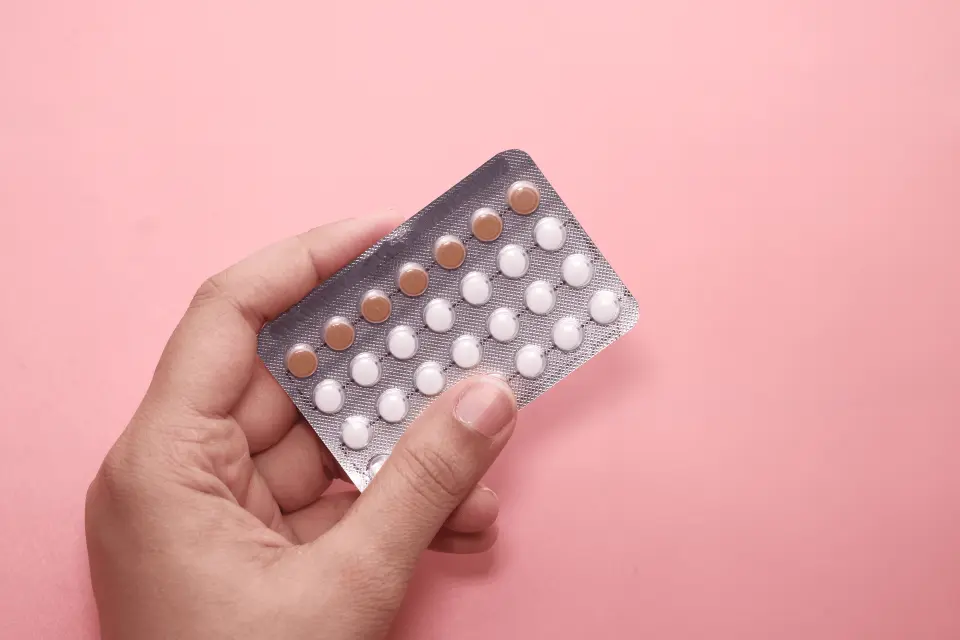
Hair growth is closely tied to hormones, especially androgens and estrogens. Birth control pills, patches, rings, and other hormonal contraceptives work by altering hormone levels to prevent pregnancy. These hormonal shifts can sometimes impact hair follicles and the hair growth cycle.
Estrogen and Hair Growth
Estrogen generally supports hair growth by prolonging the anagen phase, which is the active growth phase of hair follicles. Many people notice thicker, fuller hair during pregnancy when estrogen levels are high. Birth control methods containing estrogen tend to mimic this effect to some degree, often stabilizing hair growth. Estrogen can help improve blood circulation to the scalp, which nourishes hair follicles and encourages healthier hair. This is why some individuals may experience a noticeable improvement in their hair's texture and volume while on estrogen-containing contraceptives.
Progestin and Androgenic Effects
Progestins are synthetic forms of progesterone found in many birth control options. Some progestins have androgenic properties, meaning they act like male hormones. Androgens can shrink hair follicles and shorten the hair growth phase, potentially leading to hair thinning or hair loss. The degree of androgenic activity varies by the type of progestin used. For instance, certain progestins like drospirenone are known for their anti-androgenic effects, which can actually help counteract hair loss in individuals who are sensitive to androgens. This nuanced interaction highlights the importance of selecting the right contraceptive method based on individual hormonal responses and hair health needs.
Types of Birth Control and Their Impact on Hair
Not all birth control methods affect hair the same way. Understanding the differences can help you recognize potential risks and discuss options with your healthcare provider.
Combined Oral Contraceptives
These pills contain both estrogen and progestin. They are the most commonly prescribed birth control pills and tend to have a balancing effect on hormones. For many users, combined pills can actually improve hair thickness by reducing androgen levels. However, some progestins in these pills might cause hair thinning if they have stronger androgenic effects. It's important to note that the specific formulation of the pill can play a significant role in how it affects hair health. For instance, pills containing drospirenone, a newer progestin, are often favored for their lower androgenic activity, making them a popular choice for those concerned about hair thinning.
Progestin-Only Pills
Also called the mini-pill, these contain only progestin and no estrogen. Because they lack estrogen’s protective effect on hair, some users may experience hair thinning or shedding. The risk depends on the specific progestin used and individual sensitivity. The timing of when the mini-pill is taken can influence its effectiveness and side effects. Some studies suggest that consistent use at the same time each day can help minimize hormonal fluctuations that might exacerbate hair loss, providing a more stable hormonal environment for hair growth.
Other Hormonal Methods
Hormonal patches, vaginal rings, injections, and implants also release progestin, sometimes combined with estrogen. Their impact on hair is similar to oral contraceptives but can vary based on hormone dosage and delivery method. For example, injectable progestins may have a stronger androgenic effect, which could increase the risk of hair loss. The duration of hormone exposure can also play a role; longer-acting methods such as implants might lead to more pronounced changes in hair density over time. Users should consider these factors when discussing their birth control options, as individual responses can vary widely based on personal health history and genetic predisposition to hair loss.
 Why Does Birth Control Cause Hair Loss for Some People?
Hair loss related to birth control is usually due to a condition called telogen effluvium, where hair follicles prematurely enter the resting phase and shed. This can happen when hormone levels shift suddenly or when the androgenic effects of certain progestins disrupt normal hair cycles.
Individual Sensitivity Matters
Not everyone experiences hair loss from birth control. Genetics, baseline hormone levels, and overall health play big roles. Some people are more sensitive to androgenic hormones and may notice hair thinning sooner.
Timing of Hair Loss
Hair loss from birth control often appears within three to six months after starting or stopping the medication. It can be temporary, with hair regrowth occurring once hormone levels stabilize or the birth control method is changed.
What to Do If You Notice Hair Loss While on Birth Control
Experiencing hair loss can be distressing, but there are steps to take that may help identify the cause and find a solution.
Track Your Symptoms
Keep a journal of when hair loss began, any changes in birth control, and other health factors like stress or diet. This information can help your healthcare provider make an accurate diagnosis.
Consult a Healthcare Provider
Talking to a doctor is important to rule out other causes of hair loss, such as thyroid issues, nutritional deficiencies, or scalp conditions. Telehealth platforms like Doctronic.ai provide convenient access to medical professionals who can evaluate your symptoms and recommend next steps without the need for in-person visits.
Consider Birth Control Alternatives
If your birth control is suspected to be the cause, your provider might suggest switching to a different formulation with lower androgenic activity or a non-hormonal method. Never stop or change birth control without professional guidance.
Supporting Hair Health During Birth Control Use
There are ways to support your hair while using birth control or if you experience hair thinning.
Nutrition and Supplements
A balanced diet rich in vitamins and minerals like biotin, zinc, iron, and vitamin D supports healthy hair growth. Discuss supplements with your healthcare provider before starting any new regimen.
Gentle Hair Care Practices
Avoid harsh treatments such as excessive heat styling, tight hairstyles, and chemical processing. Use mild shampoos and conditioners designed to strengthen hair and reduce breakage.
Stress Management
Stress can worsen hair loss, so incorporating relaxation techniques such as meditation, exercise, or hobbies can be beneficial.
Get birth control online today
A licensed doctor can review your symptoms and send a prescription to your pharmacy, often the same day.
- $39 video visit
- Insurance accepted
- 4.8 on Trustpilot
Related medications we prescribe
- Yaz drospirenone-ethinyl estradiol
- Sprintec norgestimate-ethinyl estradiol
- Slynd drospirenone
- NuvaRing etonogestrel-ethinyl estradiol
- Junel norethindrone + ethinyl estradiol
- Oral Contraceptives
- Seasonale levonorgestrel-ethinyl estradiol
- Ortho Tri-cyclen norgestimate + ethinyl estradiol
- Opill norgestrel
- Loestrin ethinyl estradiol-norethindrone / ethinyl estradiol-norethindrone acetate
- Levora ethinyl estradiol-levonorgestrel
- Lo/ovral ethinyl estradiol-norgestrel
- Apri ethinyl estradiol-desogestrel
- Cryselle
- Norethindrone
- Microgestin
- Desogestrel Ethinyl Estradiol
- Yasmin drospirenone-ethinyl estradiol
- Levonorgestrel Ethinyl Estradiol
When to Seek Immediate Medical Attention
Hair loss related to birth control is usually gradual and not a medical emergency. However, if you experience sudden, patchy hair loss, scalp pain, redness, or other concerning symptoms, seek prompt medical advice.
Getting Personalized Care for Hair Loss Concerns
Understanding whether birth control is affecting your hair can be complex. Using a trusted telehealth service like Doctronic.ai allows you to access expert medical advice quickly and conveniently. Their AI-powered platform offers personalized assessments and can guide you through treatment options tailored to your needs.
Frequently Asked Questions
Not all birth control causes hair loss. The risk depends on the hormone composition, especially the type of progestin used. Combined pills with low androgenic progestins are less likely to cause hair thinning.
Hair loss usually starts within a few months of starting or stopping birth control and often resolves within six to twelve months after hormone levels stabilize or the method is changed.
Non-hormonal methods like copper IUDs or barrier methods do not affect hair. Some hormonal options have minimal androgenic effects and may be better choices for those concerned about hair loss.
Yes, some combined oral contraceptives can improve hair thickness by reducing androgen levels, which can benefit people with androgen-related hair loss.
Do not stop birth control without consulting a healthcare provider. They can help determine the cause of hair loss and recommend safe alternatives or treatments.
References
Related articles

Get medical advice
Chat Now