

Can a Dermatologist Help with Hair Loss?
Understanding Hair Loss and When to See a DermatologistHair loss affects millions of people worldwide and can be distressing. While some hair thinning is natural with age, [...]
Read More
Medically reviewed by Alan Lucks | MD , Alan Lucks MDPC Private Practice - New York on January 1st, 2026. Updated on April 30th, 2026
Dermatologists specialize in diagnosing and treating hair loss caused by various medical conditions.
Hair loss can stem from genetics, scalp disorders, nutritional deficiencies, or other health issues.
Effective treatment depends on identifying the underlying cause, which a dermatologist can do through examination and tests.
Telehealth services like Doctronic.ai provide convenient access to expert dermatologists for hair loss concerns.
Early consultation improves outcomes and helps prevent further hair thinning or loss.
Hair loss affects millions of people worldwide and can be distressing. While some hair thinning is natural with age, sudden or patchy loss often signals an underlying issue. Dermatologists are medical experts in skin, hair, and nails, making them the ideal specialists to evaluate hair loss.
Hair loss can result from many causes, including genetics, hormonal changes, autoimmune diseases, infections, or scalp conditions. Identifying the root cause is essential for effective treatment. If you notice unusual shedding, bald patches, or scalp irritation, a dermatologist can provide a thorough assessment and guide you toward the right solution.
Androgenetic Alopecia: Often called male or female pattern baldness, this genetic condition causes gradual thinning.
Alopecia Areata: An autoimmune disorder leading to sudden, patchy hair loss.
Telogen Effluvium: Temporary hair shedding triggered by stress, illness, or medications.
Scalp Infections: Fungal infections like ringworm can cause hair to fall out in patches.
Trichotillomania: A psychological condition where individuals pull out their own hair.
In addition to these common types, there are other, less frequently encountered conditions that can lead to hair loss. For instance, cicatricial alopecia, or scarring alopecia, is a group of disorders that destroy hair follicles and replace them with scar tissue, leading to permanent hair loss. This type of hair loss often requires a more aggressive treatment approach, as the damage to the follicles can be irreversible. Another condition worth noting is traction alopecia, which results from prolonged tension on the hair, often due to tight hairstyles such as braids or ponytails. Understanding these variations can help individuals make informed decisions about their hair health.
When visiting a dermatologist for hair loss, patients can expect a comprehensive evaluation that may include a physical examination of the scalp, a review of medical history, and possibly blood tests to check for underlying health issues. In some cases, a scalp biopsy may be performed to determine the exact cause of hair loss. Early intervention is crucial, as many hair loss conditions are more effectively treated when caught early. Thus, if you notice changes in your hair, consulting a dermatologist can be a vital step toward regaining your confidence and hair health.
When you visit a dermatologist for hair loss, expect a detailed medical history review and physical examination of your scalp and hair. Dermatologists look for patterns of hair loss, scalp health, and signs of inflammation or infection.
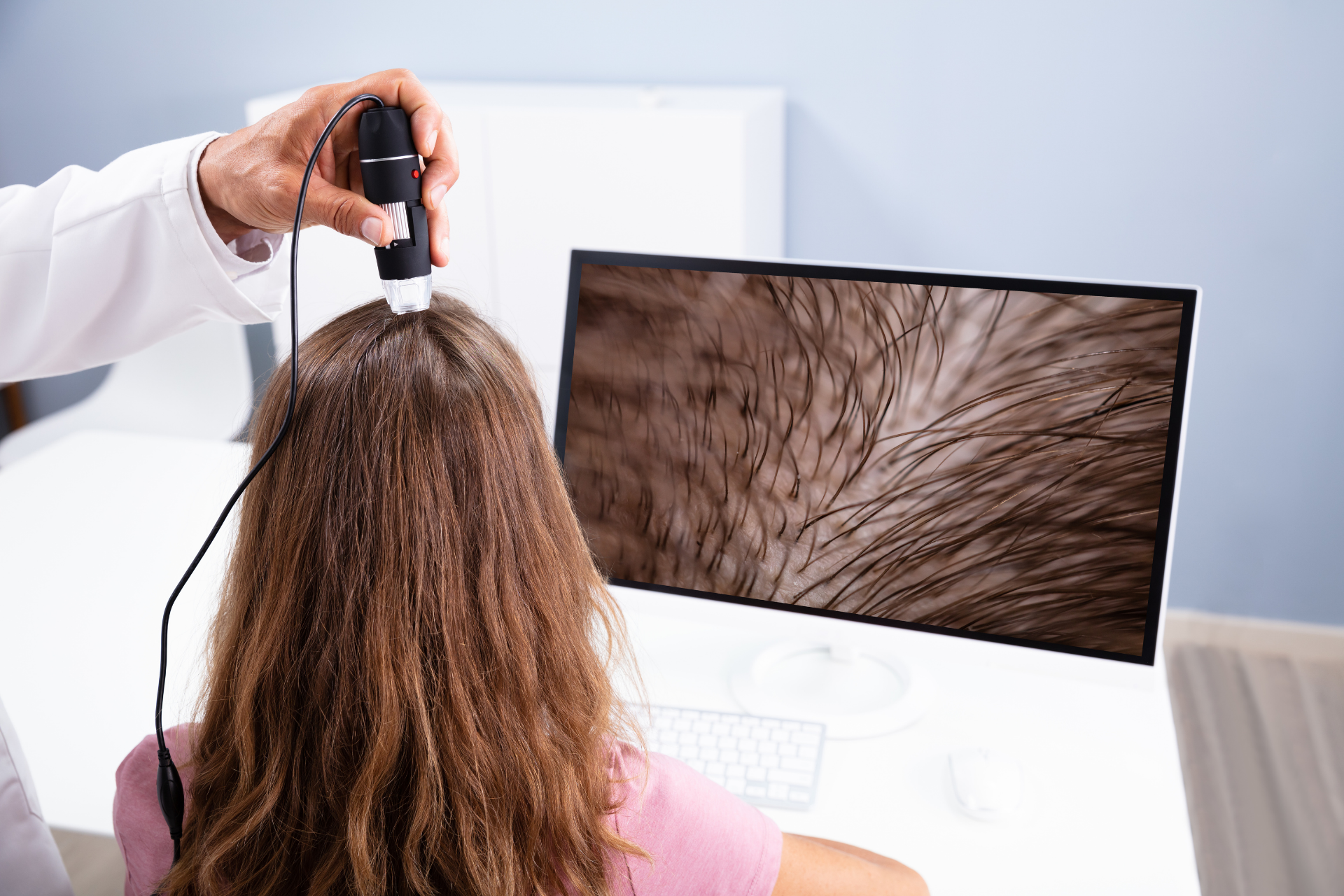
Scalp Examination: Using magnification tools to inspect hair follicles and scalp condition.
Pull Test: Gently pulling hair to see how many strands come out, assessing shedding severity.
Scalp Biopsy: Removing a small skin sample to examine hair follicles under a microscope.
Blood Tests: Checking for nutritional deficiencies, thyroid issues, or autoimmune markers.
These methods help dermatologists pinpoint the cause of hair loss and rule out other conditions that could mimic similar symptoms.
 Treatment Options Offered by Dermatologists
Treatment depends on the diagnosis. Dermatologists tailor solutions based on the type and cause of hair loss, patient preferences, and overall health.
Topical Medications: Minoxidil is a common over-the-counter option that can stimulate hair growth.
Oral Medications: Finasteride is prescribed for male pattern baldness, while other drugs may address autoimmune causes.
Corticosteroid Injections: Used for conditions like alopecia areata to reduce inflammation and promote regrowth.
Antifungal Treatments: For scalp infections causing hair loss.
Platelet-Rich Plasma (PRP): Injections of concentrated platelets to stimulate hair follicles.
Hair Transplant Surgery: Moving hair follicles from one part of the scalp to thinning areas.
Laser Therapy: Low-level laser devices are designed to encourage hair growth.
Visiting a dermatologist in person may not always be convenient, especially for those with busy schedules or limited local specialists. Telehealth services have made expert care more accessible.
Doctronic.ai offers 24/7 telehealth video visits with licensed doctors across all 50 states, including dermatologists who can evaluate hair loss remotely. This service provides quick, affordable access to medical advice without waiting weeks for an appointment.
Convenience: Consult from home or anywhere with internet access.
Speed: Get answers and treatment recommendations within minutes.
Cost-Effective: Telehealth visits with Doctronic are under $40, making care affordable.
Continuity: Doctronic’s AI-powered system remembers your history, providing personalized advice over time.
For many, telehealth is an excellent first step to understand hair loss causes and explore treatment options before considering in-person visits or procedures.
While most hair loss cases are not emergencies, some signs warrant prompt evaluation:
Sudden, widespread hair loss accompanied by scalp pain or redness.
Signs of infection, such as pus, swelling, or fever.
Hair loss following trauma or injury to the scalp.
Hair loss with other systemic symptoms like weight loss or fatigue.
If these occur, visiting a healthcare provider quickly is important. Telehealth platforms like Doctronic can help triage your symptoms and advise on next steps.
Good hair care habits support treatment and overall scalp health. Dermatologists often recommend:
Use gentle shampoos and avoid harsh chemicals.
Minimizing heat styling and tight hairstyles that pull on hair.
Eating a balanced diet rich in vitamins and minerals.
Managing stress through relaxation techniques.
These practices can reduce further hair damage and improve the effectiveness of medical treatments.
Hair loss can be challenging, but help is available. Dermatologists bring specialized knowledge to identify the cause and guide effective treatment. Whether you prefer an in-person visit or the convenience of telehealth, starting with a professional evaluation is key.
Doctronic.ai makes expert care accessible anytime, anywhere. Early action can preserve your hair and boost confidence. Don’t wait to get the answers and support you need.
Yes, many dermatologists can assess hair loss through telehealth consultations by reviewing photos and discussing symptoms. However, some cases may require an in-person exam or tests.
It depends on the cause. Conditions like telogen effluvium often resolve with time and care, while genetic hair loss may require ongoing treatment to slow progression.
Most treatments take several months before noticeable improvement. Patience and adherence to the prescribed plan are essential.
Some, like minoxidil, have proven benefits. However, it is best to consult a dermatologist to choose the right treatment for your specific condition.
Absolutely. Doctronic.ai offers affordable telehealth visits with doctors who can evaluate hair loss, provide diagnoses, and recommend treatments quickly and conveniently.
Understanding Hair Loss and When to See a DermatologistHair loss affects millions of people worldwide and can be distressing. While some hair thinning is natural with age, [...]
Read More
Join 50,000+ readers using Doctronic to understand symptoms, medications,
and next steps.
Add your phone number below to get health updates and exclusive VIP offers.
By providing your phone number, you agree to receive SMS updates from Company. Message and data rates may apply. Reply “STOP” to opt-out anytime. Read our Privacy Policy and Terms of Service for more details.
Save your consults. Talk with licensed doctors and manage your health history.
