Diseases and Conditions
Understanding Eczema: Causes, Symptoms, and Treatment Options
April 21, 2024
6 min read

Medically reviewed by Alan Lucks | MD, Alan Lucks MDPC Private Practice - New York on December 8th, 2025.
Published on December 8th, 2025. Updated on July 23rd, 2026.
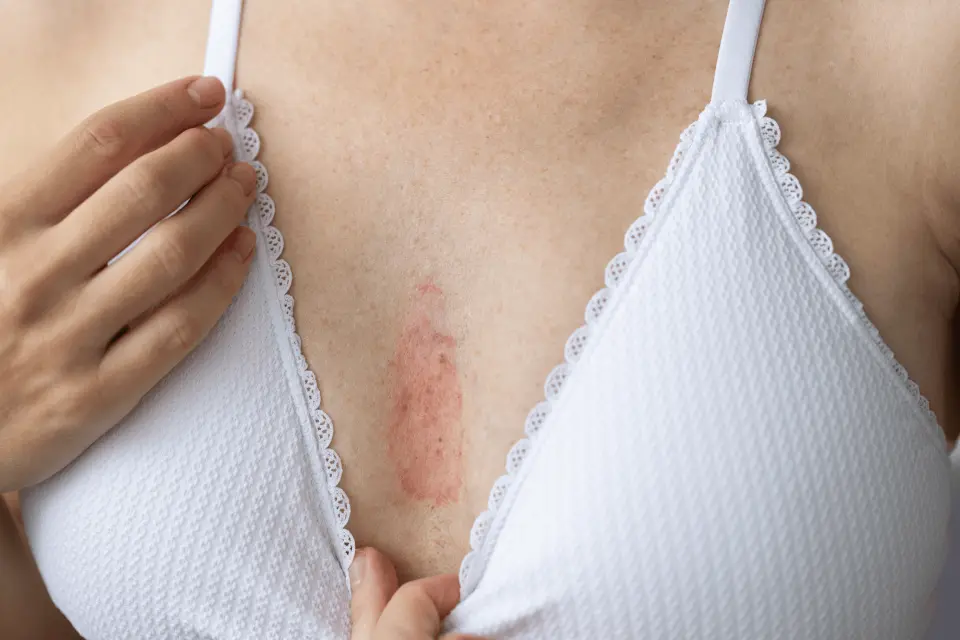
Breast eczema is a common skin condition that can cause itching, redness, and discomfort on and around the breasts.
It can be triggered by allergies, irritants, hormonal changes, or underlying skin conditions like atopic dermatitis.
Proper diagnosis is essential since breast eczema can resemble other skin issues, such as infections or breast cancer symptoms.
Effective management includes moisturizing, avoiding irritants, and sometimes prescription treatments.
Telehealth services like Doctronic.ai offer quick, affordable access to medical advice and treatment options from home.
Breast eczema is a form of eczema that affects the skin on or around the breasts. It presents as red, itchy, and sometimes flaky or cracked patches. This condition can be uncomfortable and may interfere with daily activities, especially when clothing rubs against sensitive skin. The discomfort can lead to scratching, which may exacerbate the condition and increase the risk of infection, making it crucial to address symptoms promptly.
Unlike general eczema, breast eczema has unique triggers and considerations due to the skin's sensitivity in this area. The skin on the breasts is thinner and more delicate than other parts of the body, making it more susceptible to irritation and allergic reactions. It is important to recognize the symptoms early and seek appropriate care to prevent worsening or complications. In many cases, lifestyle adjustments and targeted treatments can significantly alleviate symptoms and improve quality of life.
Breast eczema can develop from several factors, including:
Allergic reactions: Contact with allergens such as certain fabrics, detergents, or skincare products can trigger eczema flare-ups. For instance, synthetic fabrics may trap moisture and heat, creating an ideal environment for irritation.
Irritants: Friction from tight clothing or harsh soaps can irritate the delicate breast skin. It is advisable to opt for breathable fabrics and gentle, fragrance-free cleansers to minimize irritation.
Hormonal changes: Fluctuations during pregnancy, menstruation, or menopause may contribute to eczema symptoms. These hormonal shifts can affect skin hydration and sensitivity, making the breasts more vulnerable to eczema.
Underlying skin conditions: People with atopic dermatitis or other eczema types may experience breast eczema as part of their overall skin sensitivity. This connection underscores the importance of managing existing skin conditions to prevent additional flare-ups.
Anyone can develop breast eczema, but it is more common in individuals with a history of eczema or allergies. Women may be more prone due to hormonal influences and the sensitivity of breast skin. Breastfeeding mothers sometimes experience eczema due to skin irritation or hormonal shifts. The combination of breastfeeding and hormonal changes can create an environment where the skin is more reactive, leading to discomfort and potential flare-ups.
Environmental factors also play a role in the risk of developing breast eczema. For example, living in areas with high humidity or extreme temperatures can exacerbate skin conditions. Stress is known to be a significant trigger for eczema flare-ups, as it can lead to increased inflammation and skin sensitivity. Understanding these risk factors can empower individuals to take proactive measures in managing their skin health and reducing the likelihood of experiencing breast eczema.
Breast eczema symptoms can mimic other conditions, so accurate identification is key. Common signs include:
Redness and inflammation
Itching or burning sensations
Dry, flaky, or cracked skin
Swelling or tenderness
Occasional oozing or crusting in severe cases
If symptoms persist or worsen, it is important to consult a healthcare provider. Sometimes, skin infections or more serious issues like Paget’s disease of the breast can resemble eczema, requiring professional evaluation.
Breast eczema shares symptoms with infections, allergic reactions, and even breast cancer-related skin changes. Key differences include:
Infections: Often accompanied by fever, warmth, and pus.
Allergic contact dermatitis: Usually linked to a known allergen and may improve with avoidance.
Paget’s disease: A rare cancer presenting with persistent eczema-like changes, often with nipple involvement and no improvement over time.
Because of these overlaps, consulting a healthcare professional is recommended for an accurate diagnosis.
 Managing Breast Eczema Effectively
Proper care can reduce discomfort and prevent flare-ups. Treatment focuses on soothing the skin, reducing inflammation, and avoiding triggers.
Use gentle, fragrance-free cleansers and moisturizers designed for sensitive skin.
Wear loose, breathable fabrics like cotton to minimize irritation.
Avoid harsh detergents or fabric softeners that may cause allergic reactions.
Keep the skin hydrated by applying emollients regularly, especially after bathing.
Maintain good hygiene, but avoid over-washing, which can dry out the skin.
For moderate to severe eczema, over-the-counter creams may not be enough. A healthcare provider might recommend:
Topical corticosteroids: To reduce inflammation and itching.
Calcineurin inhibitors: Non-steroidal options for sensitive areas.
Antihistamines: To control itching, especially at night.
Antibiotics: If there is a secondary bacterial infection.
These treatments should be used under medical supervision to avoid side effects.
Accessing care for breast eczema can be quick and convenient through telehealth services like Doctronic.ai. This platform offers affordable video visits with licensed doctors across all 50 states, anytime you need.
Telehealth allows you to get a professional diagnosis, treatment recommendations, and prescriptions without leaving home. This is especially helpful if symptoms arise suddenly or if you want a second opinion on your condition. The AI-powered system at Doctronic also provides free initial assessments, helping you understand your symptoms before speaking with a doctor.
Prevention is key to managing eczema long-term. Simple lifestyle changes can make a big difference.
Keep track of what seems to worsen your symptoms. Common triggers include:
Certain soaps, lotions, or laundry products
Stress and hormonal changes
Heat and sweating
Wearing tight or synthetic clothing
Avoiding these can reduce flare-ups and improve skin health.
Consistent moisturizing and gentle skin care protect the skin’s natural barrier. Using products with ceramides and avoiding irritants helps keep eczema under control.
Women experiencing hormonal shifts should be aware that these can trigger eczema. Discussing symptoms with a healthcare provider can help tailor treatment during pregnancy, menstruation, or menopause.
Breast eczema can be uncomfortable, but understanding the condition and knowing how to manage it makes a big difference. Recognizing symptoms early and seeking the right care helps prevent complications and improve quality of life.
Telehealth services such as Doctronic.ai offer a modern, accessible way to get expert advice and treatment without the usual barriers. Whether you need a quick diagnosis or ongoing support, these services put trusted medical care at your fingertips.
Remember, your skin deserves attention and care. Don’t hesitate to reach out to healthcare providers who can guide you through managing breast eczema effectively.
No, breast eczema is not contagious. It is a skin condition caused by inflammation, allergies, or irritation, and it cannot be spread from person to person.
Yes, breast eczema can cause discomfort during breastfeeding. It is important to manage symptoms carefully and consult a healthcare provider to ensure safe treatment options that do not harm the baby.
The duration varies depending on the severity and management. With proper care, flare-ups can improve within days to weeks. Chronic eczema may require ongoing treatment.
If symptoms persist, worsen, or if you notice unusual changes such as nipple discharge, lumps, or persistent skin changes, seek medical advice promptly.
Yes, telehealth platforms like Doctronic.ai provide convenient access to medical professionals who can diagnose and recommend treatment for breast eczema remotely.
Get skin care advice
Chat Now
Join 50,000+ readers using Doctronic to understand symptoms, medications,
and next steps.
Add your phone number below to get health updates and exclusive VIP offers.
By providing your phone number, you agree to receive SMS updates from Company. Message and data rates may apply. Reply “STOP” to opt-out anytime. Read our Privacy Policy and Terms of Service for more details.
Save your consults. Talk with licensed doctors and manage your health history.