

Baclofen and Urinary Retention: What’s the Link?
Understanding Baclofen and Its UsesBaclofen is a medication primarily used to treat muscle spasticity caused by conditions such as multiple sclerosis, spinal cord injuries, [...]
Read More
Medically reviewed by Alan Lucks | MD, Alan Lucks MDPC Private Practice - New York on January 12th, 2026.
Baclofen is a muscle relaxant commonly prescribed for spasticity, but it can cause urinary retention as a side effect.
Urinary retention involves difficulty emptying the bladder and may lead to discomfort or serious complications if untreated.
The risk of urinary retention with baclofen is linked to its action on the nervous system that controls bladder function.
Patients experiencing urinary problems while on baclofen should seek medical advice promptly, including telehealth options like Doctronic.ai.
Managing urinary retention may require adjusting baclofen dosage or exploring alternative treatments under medical supervision.
Baclofen is a medication primarily used to treat muscle spasticity caused by conditions such as multiple sclerosis, spinal cord injuries, or other neurological disorders. It works by acting on the central nervous system to relax muscles and reduce spasms, making movement easier and less painful for many patients. The drug is often prescribed in conjunction with physical therapy, enabling patients to engage more fully in rehabilitation exercises that can improve their overall mobility and quality of life.
While baclofen is effective for its intended purpose, it affects nerve signals broadly, including those that regulate bladder function. This can sometimes lead to side effects, one of which is urinary retention. Patients may experience difficulty in urination or a feeling of incomplete bladder emptying, which can be uncomfortable and distressing. It is essential for healthcare providers to monitor these side effects closely, as they can significantly impact a patient's daily activities and overall well-being.
In addition to its primary use, baclofen has been explored for other potential applications, such as managing chronic pain and even treating alcohol dependence. Research into its efficacy for these conditions is ongoing, with some studies suggesting that baclofen may help reduce cravings and withdrawal symptoms in individuals struggling with addiction. This expanded use highlights the versatility of baclofen, but it also underscores the importance of careful dosing and monitoring to mitigate potential adverse effects.
Baclofen is available in various forms, including oral tablets and an intrathecal delivery system, which involves administering the drug directly into the spinal fluid. This latter method can provide more effective relief for patients with severe spasticity who do not respond well to oral medications. It also requires careful management and monitoring by healthcare professionals to avoid complications associated with the delivery system, such as infection or catheter malfunction.
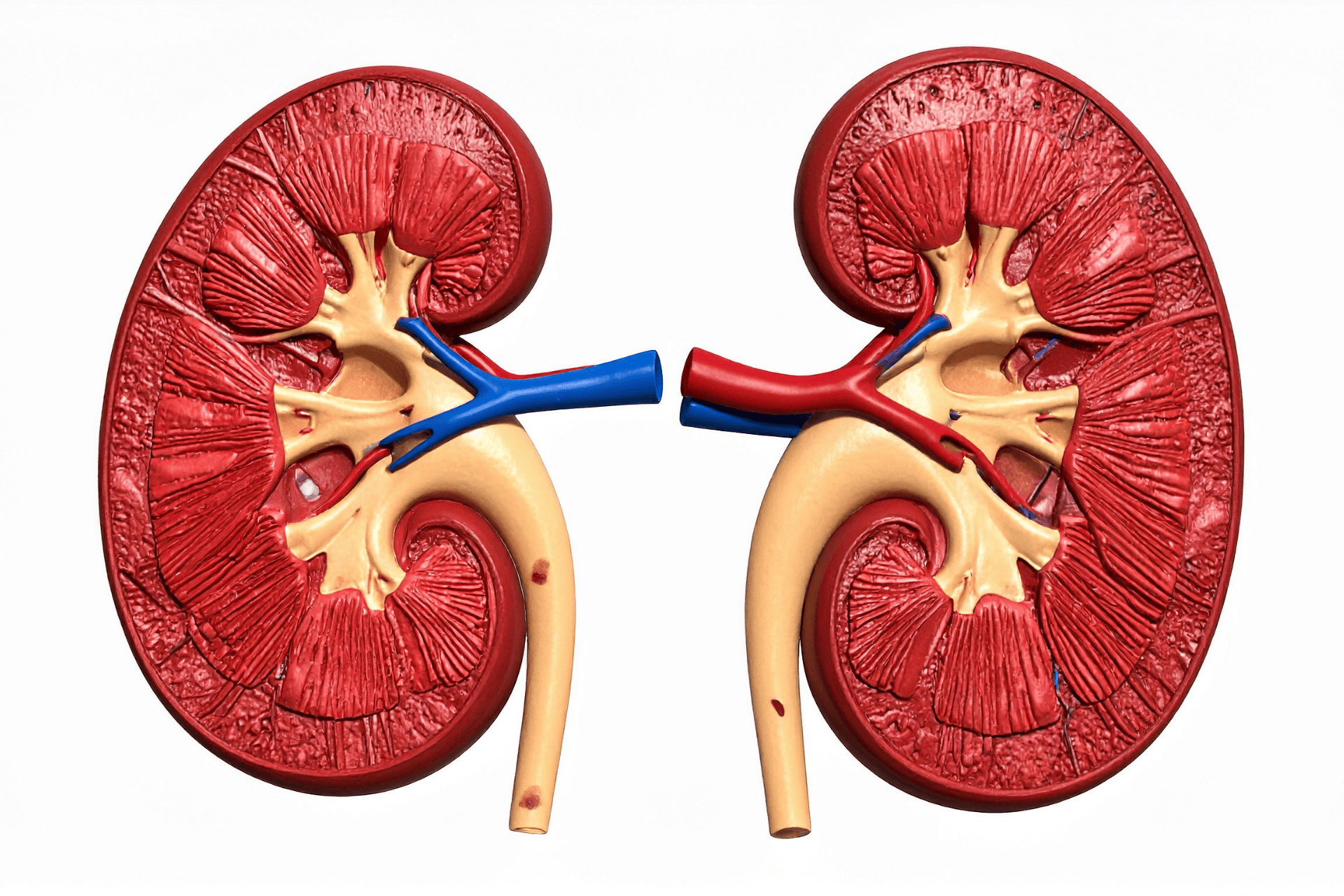 What Is Urinary Retention?
Urinary retention occurs when the bladder does not empty completely or at all, leading to discomfort, increased risk of infection, and potential damage to the urinary tract. It can be acute (sudden and severe) or chronic (developing over time).
Symptoms include difficulty starting urination, weak urine flow, a feeling of incomplete bladder emptying, and lower abdominal pain or pressure. In severe cases, urinary retention can cause bladder distension and require immediate medical attention.
Obstruction in the urinary tract (e.g., enlarged prostate)
Nerve problems affecting bladder control
Medications that interfere with bladder muscle contraction or nerve signals
Infections or inflammation
Baclofen’s mechanism involves enhancing the activity of gamma-aminobutyric acid (GABA), a neurotransmitter that inhibits nerve activity. While this helps reduce muscle spasms, it can also suppress the nerves responsible for bladder contraction.
When the bladder muscles do not contract properly, urine cannot be expelled efficiently, leading to retention. This side effect is more likely in patients taking higher doses or those with pre-existing bladder or neurological issues.
Patients with neurological conditions affecting bladder control
Older adults, who may have reduced bladder function
Those on higher doses of baclofen or those combining it with other medications that affect the urinary system
Early recognition of urinary retention is important to prevent complications. If you are taking baclofen and notice symptoms such as difficulty urinating, a weak stream, or a feeling of fullness after urinating, it is important to contact a healthcare provider promptly.
Telehealth services like Doctronic.ai offer convenient access to medical professionals who can evaluate symptoms, provide guidance, and recommend next steps without the need for in-person visits.
Discussion of symptoms and medical history
Review of current medications, including baclofen dosage
Possible physical examination or referral for bladder ultrasound
Recommendations for managing symptoms or adjusting treatment
Treatment for urinary retention caused by baclofen focuses on relieving symptoms and addressing the underlying cause. This may involve:
Lowering the baclofen dose under medical supervision
Switching to alternative muscle relaxants if appropriate
Monitoring for improvement of urinary symptoms
Timed voiding techniques to encourage regular bladder emptying
Use of catheterization in severe cases to relieve bladder pressure
Hydration management to avoid concentrated urine that can irritate the bladder
If urinary retention persists despite adjustments, referral to a urologist or neurologist may be necessary. They can perform specialized tests and recommend treatments such as bladder training, medications to improve bladder function, or surgical options if needed.
Baclofen can interact with other medications that affect the nervous system or urinary tract, increasing the risk of urinary retention. Some common interactions include:
Other muscle relaxants or sedatives
Anticholinergic drugs, which reduce bladder muscle contractions
Opioids, which can slow bladder emptying
Always inform your healthcare provider about all medications and supplements you are taking to avoid harmful interactions.
Managing side effects like urinary retention requires timely communication with healthcare providers. Telehealth platforms such as Doctronic.ai provide fast, reliable access to medical advice from the comfort of home. This is especially valuable for people with mobility challenges or those living in areas with limited healthcare access.
Doctronic’s AI-powered system offers quick answers and personalized care, helping patients understand symptoms and treatment options before connecting with a licensed doctor for video visits across all 50 states. This approach saves time and reduces stress for patients managing complex conditions.
Baclofen remains a valuable medication for managing muscle spasticity, but awareness of its potential to cause urinary retention is crucial. Recognizing symptoms early and seeking timely medical advice can prevent complications. Telehealth services like Doctronic.ai make it easier than ever to get expert guidance without delay.
If you or a loved one is taking baclofen and experiencing urinary difficulties, do not wait. Reach out to a healthcare professional promptly to discuss your symptoms and explore safe treatment options.
Urinary retention caused by baclofen is usually reversible when the medication is adjusted or stopped. Permanent damage is rare but can occur if retention is severe and untreated for a long time.
Symptoms can appear within days to weeks of starting or increasing the dose of baclofen. Monitoring is important during these periods.
It is an uncommon but recognized side effect. Most patients tolerate baclofen without significant urinary issues, but those with risk factors should be vigilant.
This is a medical emergency. Seek immediate care through emergency services or telehealth platforms like Doctronic.ai to get urgent guidance.
Other muscle relaxants may have different side effect profiles. Discuss alternatives with your healthcare provider to find the safest option for your needs.
Baclofen can cause urinary retention in some people due to its effects on nerve signals that control bladder function. Early recognition and timely dose adjustments usually resolve symptoms. If you notice urinary changes while taking baclofen, a quick consultation through Doctronic.ai can help you get expert guidance and next steps without delay.
Understanding Baclofen and Its UsesBaclofen is a medication primarily used to treat muscle spasticity caused by conditions such as multiple sclerosis, spinal cord injuries, [...]
Read More