

Average Weight Loss on Zepbound
What to Expect: Weight Loss Results on ZepboundWhen it comes to managing obesity and related conditions, finding an effective treatment that fits your lifestyle can feel [...]
Read More
Medically reviewed by Alan Lucks | MD , Alan Lucks MDPC Private Practice - New York on November 24th, 2025. Updated on April 30th, 2026
Clinical trials show patients lose an average of 15-20% of their starting body weight over 68 weeks on tirzepatide (Zepbound), with some participants achieving up to 22.5% weight reduction.
Gastrointestinal side effects occur in 60-80% of users, with nausea being most common in weeks 1-4, typically decreasing as the body adjusts to higher doses.
Weight loss plateaus around month 16-17 of treatment, requiring dose adjustments from the starting 2.5mg weekly up to the maximum 15mg weekly for continued effectiveness.
Patients who discontinue treatment regain approximately 14% of their lost weight within one year, making long-term adherence crucial for maintaining results.
Combining medication with a 500-calorie daily deficit and 150 minutes of weekly exercise can enhance weight loss by an additional 5-10% beyond medication alone.
When it comes to managing obesity and related conditions, finding an effective treatment that fits your lifestyle can feel overwhelming. Zepbound, an FDA-approved medication, has been making waves for its impressive weight-loss results. But what does the average weight loss on Zepbound actually look like, and is it right for you? Let’s break down the facts and explore how this medication works, what you can expect, and how to get the best care as you consider treatment.
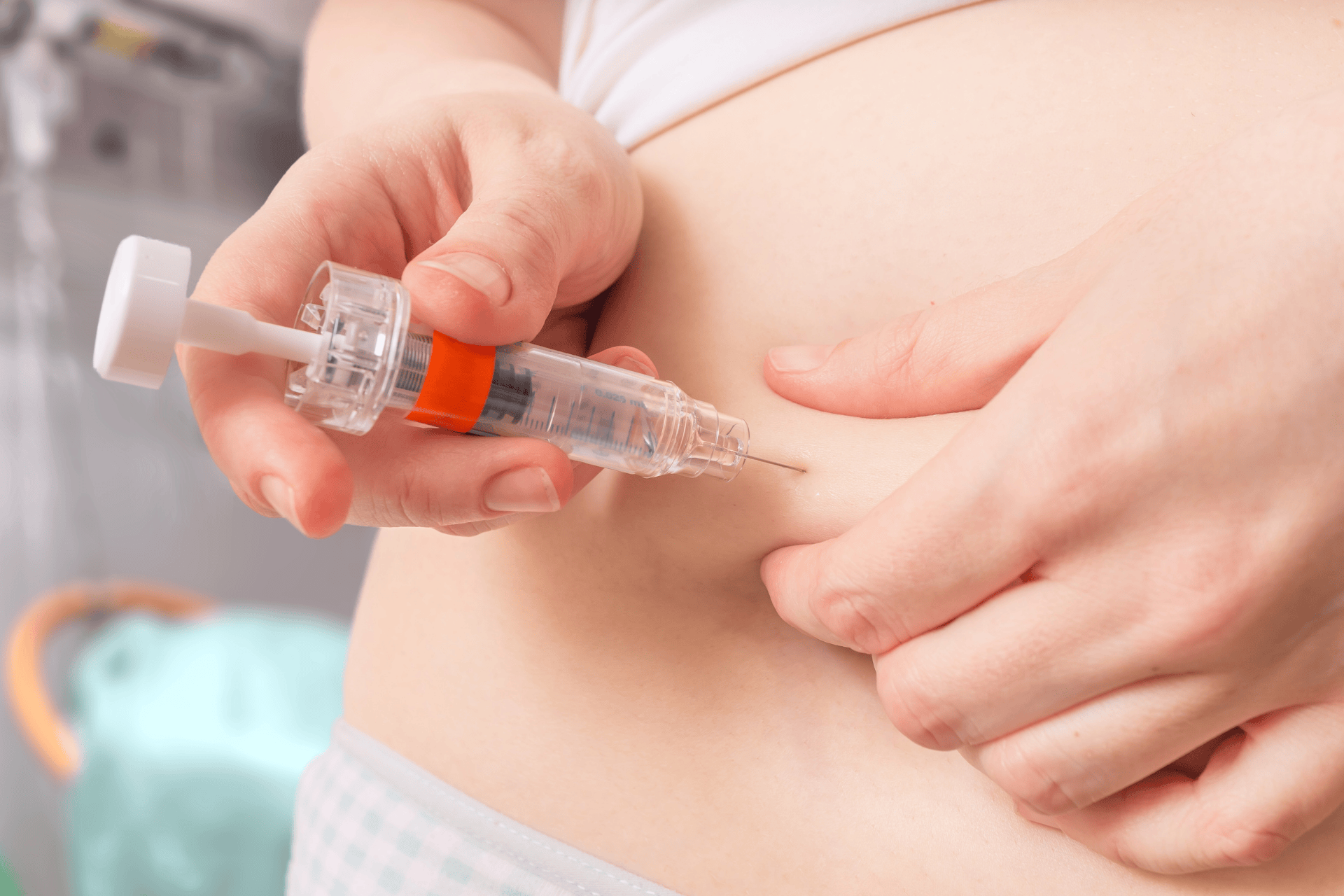 Understanding Zepbound and Its Role in Weight Loss
Zepbound is a prescription medication designed to help adults with obesity or overweight conditions lose weight. It works by activating two hormone pathways-GIP and GLP-1 receptors that regulate appetite and digestion. This dual action helps reduce hunger, slow stomach emptying, all of which contribute to weight loss.
Unlike many weight loss medications that focus on just one pathway, Zepbound’s dual mechanism makes it particularly effective. It’s FDA-approved not only for weight management but also for treating moderate to severe obstructive sleep apnea (OSA) in adults with obesity, when used alongside lifestyle changes like diet and exercise.
Zepbound is prescribed for adults with a body mass index (BMI) of 30 or higher, or those with a BMI of 27 or higher who also have at least one weight-related health condition, such as type 2 diabetes, hypertension, or sleep apnea. It’s important to note that Zepbound is not a quick fix. It’s part of a comprehensive approach to weight management that includes diet, physical activity, and ongoing medical supervision.
Clinical trials for Zepbound have demonstrated impressive weight loss results. On average, patients using Zepbound lost significantly more weight than those taking a placebo. Some studies report average weight loss ranging from 15% to over 20% of body weight after about 68 weeks of treatment. This is a substantial reduction compared to many other weight loss medications.
For context, a 20% weight loss for someone weighing 250 pounds means losing around 50 pounds, which can have a major impact on overall health and quality of life.
One of the challenges with any weight loss treatment is maintaining the results. Research suggests that continuing Zepbound treatment is key to sustaining weight loss. If treatment stops, weight regain is possible. This highlights the importance of combining medication with lifestyle changes and regular medical follow-up.
Obstructive sleep apnea is a condition where the airway collapses or becomes blocked during sleep, causing breathing interruptions. Excess weight, especially around the neck and upper airway, is a major risk factor. By helping patients lose weight, Zepbound can reduce the severity of OSA.
Clinical trials showed that patients with moderate to severe OSA who took Zepbound experienced fewer breathing disturbances during sleep. This benefit was seen in patients both using and not using CPAP therapy, the standard treatment for sleep apnea.
Zepbound is not a replacement for CPAP in severe cases of sleep apnea, but can be a valuable adjunct therapy, especially for those who struggle with CPAP tolerance. Because the improvement in OSA is largely linked to weight loss, ongoing treatment and lifestyle management remain critical.
Like many medications, Zepbound has some side effects. The most common include nausea, allergic reactions, diarrhea, vomiting, constipation, reduced appetite, and abdominal discomfort. These symptoms often occur early in treatment and tend to improve as the body adjusts.
Patients should discuss any side effects with their healthcare provider to manage symptoms effectively and determine whether continuing treatment is appropriate.
Zepbound is not recommended for people with a personal or family history of medullary thyroid carcinoma or multiple endocrine neoplasia type 2. Long-term safety data is still being collected, so regular medical monitoring is essential.
Starting a new medication like Zepbound requires careful medical evaluation and ongoing support. Telehealth services have made it easier than ever to connect with healthcare providers from home. Doctronic.ai offers affordable and convenient video visits with licensed doctors 24/7 across all 50 states.
Doctronic’s AI-powered system provides fast, personalized medical advice and can help you understand whether Zepbound is a good fit for your health needs. After an initial consultation, you can schedule follow-up visits to monitor progress and adjust treatment as needed.
Doctronic stands out because it combines cutting-edge AI technology with real doctors to deliver care that’s fast, smart, and personal. Over 10 million people have used their system, benefiting from instant AI-driven insights and affordable telehealth visits under $40. This approach is especially useful for managing chronic conditions like obesity and sleep apnea, where ongoing care and personalized recommendations matter.
 Tips for Maximizing Weight Loss with Zepbound
Zepbound works best when paired with a reduced-calorie diet and increased physical activity. Weight loss medications are tools, not magic bullets. Adopting healthier eating habits and regular exercise will support your medication’s effectiveness and improve overall health.
Weight loss takes time. Clinical trials typically measure results over more than a year. Be patient with your progress and keep regular appointments with your healthcare provider to adjust your plan as needed.
Keep track of any side effects and report them promptly. Your doctor can help manage symptoms and decide if dose adjustments or alternative treatments are necessary.
Zepbound represents a significant advance in obesity treatment, but research continues. Long-term studies are underway to better understand its effects on cardiovascular health and other obesity-related conditions. New medications and combination therapies may further improve outcomes in the coming years.
The integration of AI-powered platforms like Doctronic.ai into healthcare is transforming how patients manage chronic conditions. Personalized, accessible care helps people stay on track with treatments like Zepbound and make informed decisions every step of the way.
Zepbound offers a promising option for adults struggling with obesity and related health issues. Its ability to produce significant, sustained weight loss and improve obstructive sleep apnea symptoms sets it apart from many other treatments. However, success depends on ongoing use, lifestyle changes, and medical supervision.
For those considering Zepbound, starting with a trusted telehealth provider like Doctronic.ai can make the process easier and more personalized. With the right support, you can take meaningful steps toward better health and improved quality of life.
On average, clinical trials show patients lose between 15% and 20% of their body weight after about 68 weeks of treatment. Individual results vary based on factors like adherence to medication, diet, and exercise.
Zepbound is not recommended for people with certain thyroid cancers or genetic conditions like multiple endocrine neoplasia type 2. It’s important to discuss your full medical history with a healthcare provider before starting.
No, Zepbound is not a replacement for CPAP in severe obstructive sleep apnea cases. It can reduce OSA severity through weight loss, but should be used alongside other treatments as recommended by your doctor.
Common side effects include nausea, diarrhea, vomiting, constipation, reduced appetite, allergic reactions, and abdominal discomfort. These often improve over time, but you should report any persistent or severe symptoms to your healthcare provider.
Consult with a healthcare provider to see if Zepbound is right for you. Telehealth services like Doctronic.ai offer convenient access to doctors who can evaluate your needs, prescribe medication, and provide ongoing support.
Zepbound delivers substantial weight loss averaging 15-20% over 68 weeks, but requires ongoing treatment and lifestyle changes to prevent weight regain. Success depends on managing initial side effects and maintaining consistent dosing with medical supervision. If you're considering weight loss medications or having questions about treatment options, Doctronic can help connect you with appropriate guidance.
What to Expect: Weight Loss Results on ZepboundWhen it comes to managing obesity and related conditions, finding an effective treatment that fits your lifestyle can feel [...]
Read More
Join 50,000+ readers using Doctronic to understand symptoms, medications,
and next steps.
Add your phone number below to get health updates and exclusive VIP offers.
By providing your phone number, you agree to receive SMS updates from Company. Message and data rates may apply. Reply “STOP” to opt-out anytime. Read our Privacy Policy and Terms of Service for more details.
Save your consults. Talk with licensed doctors and manage your health history.
