

Adapalene Dosage Guide: How Much to Take and When (With Chart)
Understanding Adapalene Uses and DosagesAdapalene is a topical medication primarily prescribed for the treatment of acne. It belongs to a class of drugs called retinoids, [...]
Read More
Medically reviewed by Alan Lucks | MD, Alan Lucks MDPC Private Practice - New York on December 21st, 2025.
Adapalene is a topical retinoid commonly used to treat acne and other skin conditions.
Typical dosages vary by formulation and patient age, with common strengths including 0.1% and 0.3% gels or creams.
Application frequency is usually once daily, preferably in the evening, to minimize irritation and maximize effectiveness.
Adapalene requires consistent use over several weeks to see noticeable improvements.
Adjustments may be necessary for sensitive skin or specific medical conditions, and professional guidance is recommended.
For personalized dosage advice and telehealth consultations, Doctronic.ai offers expert AI-driven and doctor-supported care 24/7.
Adapalene is a topical medication primarily prescribed for the treatment of acne. It belongs to a class of drugs called retinoids, which help regulate skin cell turnover, preventing clogged pores and reducing inflammation. Beyond acne, adapalene is sometimes used for other skin conditions under medical supervision.
Unlike some treatments that provide quick fixes, adapalene works gradually. Patience and consistent application are key to achieving the best results. Knowing the right dosage and how to apply it safely can make a big difference in your skin’s health and comfort.
Form |
Strength |
Typical Adult Dose |
Typical Children’s Dose |
Frequency |
Route |
Maximum Daily Dose |
|---|---|---|---|---|---|---|
Gel |
0.1% |
Apply a thin layer to affected areas |
Same as adult (12 years and older) |
Once daily |
Topical |
As directed by physician |
Gel |
0.3% |
Apply a thin layer to affected areas |
Use with caution; consult doctor |
Once daily |
Topical |
As directed by physician |
Cream |
0.1% |
Apply a thin layer to affected areas |
Same as adult (12 years and older) |
Once daily |
Topical |
As directed by physician |
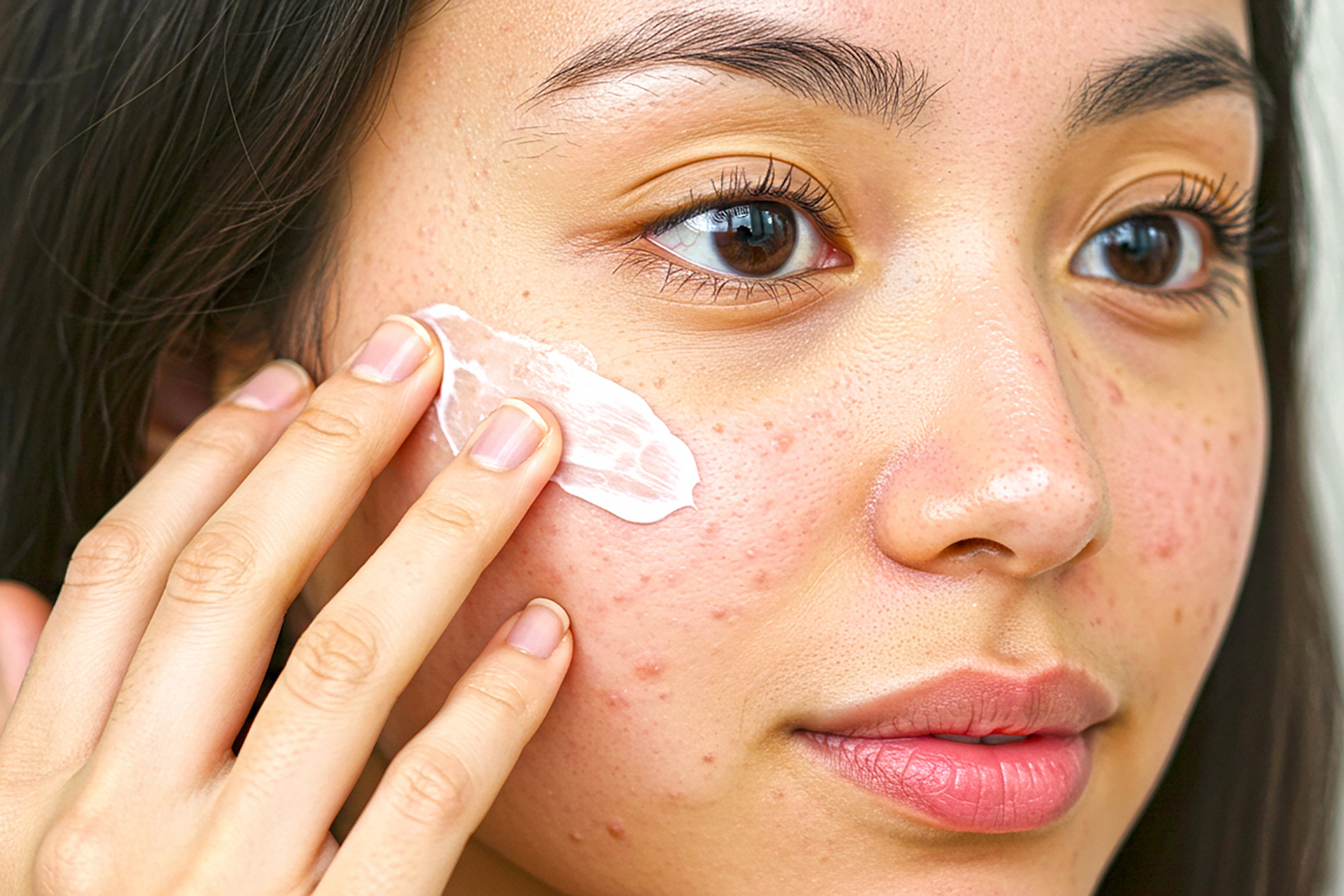
Before applying adapalene, clean your skin gently and pat dry. Use only a small amount-a pea-sized dab is usually enough for the entire face. Spread it evenly over the affected areas, avoiding the eyes, lips, and mucous membranes.
Applying adapalene once daily, preferably at night, helps reduce irritation caused by sun exposure. Using sunscreen during the day is crucial because adapalene can increase skin sensitivity to sunlight.
Initial side effects like redness, burning, dryness, or mild peeling are common during the first few weeks. These symptoms often improve as your skin adjusts. If irritation persists or worsens, consult a healthcare provider for advice on adjusting your regimen.
For mild to moderate acne, the standard approach is applying a thin layer of 0.1% adapalene gel or cream once daily. In more severe cases, a doctor might recommend the 0.3% gel for stronger effects. Treatment duration typically spans several weeks to months.
While less common, adapalene may be prescribed for conditions like keratosis pilaris or certain types of photoaging. Dosage and frequency should always be tailored by a healthcare professional based on individual needs.
Adults usually apply a thin layer of 0.1% or 0.3% adapalene gel or cream once daily. The medication is intended for topical use only, and the amount should be enough to cover affected areas without excess. Overuse can increase irritation without improving results.
Adapalene is generally safe for children aged 12 and older when used as directed. The typical dose mirrors that of adults, but younger patients should be monitored closely for skin irritation. For children under 12, use is not commonly recommended without specialist advice.
If you forget to apply adapalene at your usual time, apply it as soon as you remember. However, if it is almost time for your next dose, skip the missed application. Do not double the dose to catch up, as this can increase the risk of skin irritation.
People with sensitive skin may need to start with less frequent application, such as every other night, to build tolerance. Moisturizers can help reduce dryness and irritation.
If you spend significant time outdoors, protect your skin with broad-spectrum sunscreen and limit adapalene use to evenings. Sunburn or excessive exposure may require temporary discontinuation or dose adjustment.
Topical overdose is rare but can cause severe irritation, redness, and peeling. If excessive amounts are applied or if adapalene gets into the eyes or mouth, rinse thoroughly and seek medical advice. Avoid combining adapalene with other irritating skin products unless directed by a healthcare provider.
Apply only to clean, dry skin.
Use a pea-sized amount for the entire face.
Avoid sensitive areas like the eyes and lips.
Wear sunscreen daily during treatment.
Be patient, results take weeks to appear.
Consult a doctor if irritation is severe or persistent.
Personalizing your adapalene dosage and treatment plan can make all the difference. Doctronic.ai offers a unique AI-powered doctor experience that understands your medical history and skin concerns. Whether you have questions about dosage, side effects, or treatment duration, Doctronic provides fast, reliable answers based on the latest medical research.
For more tailored advice, you can also book affordable telehealth video visits with licensed doctors through Doctronic.ai. Available 24/7 across all 50 states, this service ensures you get expert guidance without the wait or hassle of traditional appointments.
Adapalene is a powerful tool in managing acne and certain skin conditions when used correctly. Understanding the appropriate dosage, application method, and precautions helps maximize benefits while minimizing side effects. Remember that consistency and patience are essential for success.
For personalized dosage recommendations and ongoing support, consider leveraging the innovative care available at Doctronic.ai. With AI-driven insights and access to real doctors, you can navigate your skincare journey with confidence.
Typically, adapalene is applied once daily. Using it more frequently can increase irritation without improving results. Always follow your doctor’s instructions.
Topical retinoids like adapalene are generally not recommended during pregnancy. Consult your healthcare provider for safer alternatives.
Most people notice improvements after 4 to 12 weeks of consistent use. Skin may initially worsen before getting better.
Some acne treatments can increase irritation when combined with adapalene. Talk to a healthcare professional before mixing products.
Stop using the product and contact a healthcare provider. They may recommend adjusting the dose or switching treatments.
Adapalene can be used on most skin types but may require adjustments for sensitive or dry skin. Professional guidance helps tailor treatment.
Understanding Adapalene Uses and DosagesAdapalene is a topical medication primarily prescribed for the treatment of acne. It belongs to a class of drugs called retinoids, [...]
Read More