

Abreva Dosage Guide: How Much to Take and When (With Chart)
Understanding Abreva Uses and DosagesCold sores, often appearing as small blisters on or around the lips, can be both painful and socially distressing. They result from the [...]
Read More
Medically reviewed by Alan Lucks | MD, Alan Lucks MDPC Private Practice - New York on January 1st, 2026.
Abreva is a topical treatment used primarily for cold sores caused by the herpes simplex virus.
Apply Abreva at the first sign of a cold sore, typically five times daily until healed.
Do not exceed the recommended dosage to avoid irritation or adverse effects.
Abreva is for external use only and should not be ingested or applied inside the mouth.
For personalized advice or if symptoms persist, telehealth services like Doctronic.ai can connect you with licensed doctors 24/7.
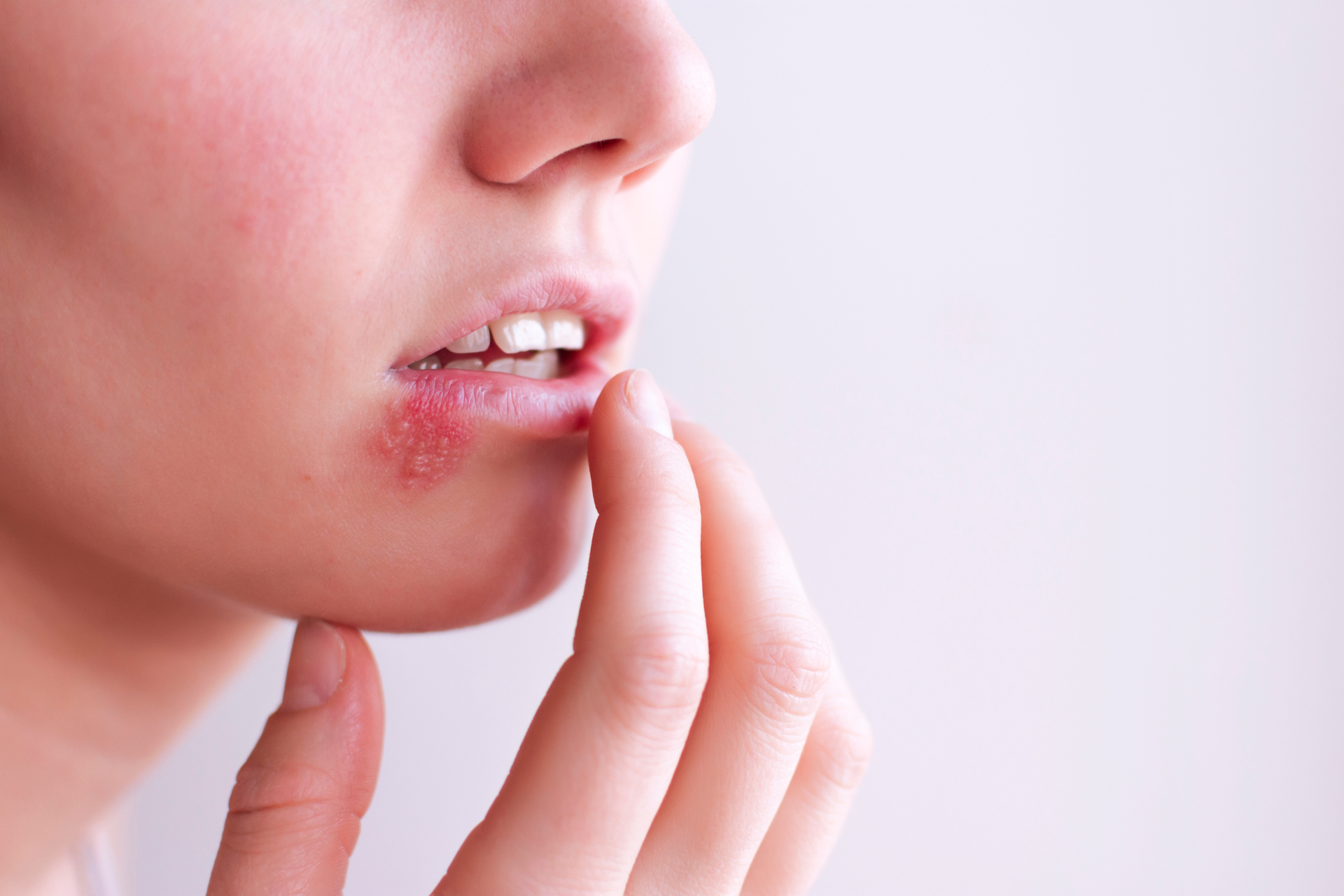
Cold sores, often appearing as small blisters on or around the lips, can be both painful and socially distressing. They result from the herpes simplex virus (HSV), which remains dormant in the body and can reactivate due to various triggers such as stress, illness, or sun exposure. Understanding the lifecycle of this virus can help individuals better manage outbreaks and reduce their frequency. Abreva is one of the few over-the-counter options clinically proven to shorten healing time when used promptly. Understanding the correct dosage and timing is key to getting the best results from this medication.
Abreva contains docosanol 10%, an antiviral agent that works by preventing the herpes simplex virus from entering healthy skin cells. This stops the virus from spreading and helps your body heal faster. However, the effectiveness depends on applying it correctly and consistently.
In addition to topical treatments like Abreva, maintaining a healthy immune system through proper nutrition, hydration, and stress management can also help minimize flare-ups.
It’s important to note that while Abreva can significantly reduce healing time and alleviate discomfort, it is not a cure for the herpes simplex virus. Many people may experience recurrent outbreaks, and managing these effectively often requires a comprehensive approach. This could include lifestyle adjustments, antiviral medications for more severe cases, and ongoing consultations with healthcare professionals. By utilizing telehealth services like Doctronic.ai, individuals can gain access to timely medical advice and support, ensuring they are equipped to handle their symptoms effectively and with confidence.
Form |
Strength |
Typical Adult Dose |
Typical Children’s Dose |
Frequency |
Route |
Maximum Daily Dose |
|---|---|---|---|---|---|---|
Topical Cream |
Docosanol 10% |
Apply a pea-sized amount |
Not recommended for children under 12 |
Up to 5 times daily |
Topical (external) |
5 applications per day |
Begin applying Abreva at the first sign of a cold sore outbreak. This might be tingling, itching, or redness around the lips. Early application is crucial because the medication works best before the sore fully develops.
Wash your hands before and after applying the cream. Use a small, pea-sized amount and gently apply it to the affected area. Avoid applying inside the mouth or on broken skin other than the cold sore itself. Repeat this process up to 5 times daily, approximately every 3 to 4 hours, until the cold sore heals.
Continue using Abreva until the cold sore is completely healed, which usually takes about 10 days. If the sore does not improve after 10 days, consult a healthcare professional.
For cold sores, the standard dosage is to apply Abreva cream five times a day at the first sign of symptoms. This regimen helps reduce healing time and the severity of outbreaks.
Abreva is generally not recommended for children under 12 years old unless directed by a healthcare provider. If a child experiences frequent cold sores, a doctor can provide personalized treatment advice, which can be accessed conveniently through telehealth platforms like Doctronic.ai.
If you forget to apply Abreva at the scheduled time, apply it as soon as you remember. Do not double the dose to make up for a missed application. Maintaining consistent application throughout the day is more important than catching up.
If you have sensitive skin or a history of allergic reactions to topical creams, test a small amount of Abreva on an unaffected area before complete application. Discontinue use if irritation, redness, or swelling occurs and consult a healthcare provider.
People with weakened immune systems may experience more frequent or severe cold sores. While Abreva can still be used, it’s important to seek personalized advice from a healthcare professional. Telehealth services like Doctronic.ai offer quick access to doctors who can tailor treatment plans to your needs.
While Abreva is generally safe when used as directed, applying more than the recommended amount will not speed healing and may cause skin irritation or rash. Avoid contact with eyes, mouth, and mucous membranes. If accidental ingestion or excessive application occurs, seek medical advice immediately.
Always wash your hands before and after application to prevent the virus from spreading.
Do not share your Abreva cream with others to avoid cross-contamination.
Store the cream at room temperature, away from moisture and heat.
Use only on external skin affected by cold sores; avoid applying to other skin conditions unless advised by a doctor.
If you experience severe irritation or allergic reactions, stop use and consult a healthcare provider promptly.
When it comes to medication like Abreva, personalized guidance can make all the difference. If you have questions about dosage, potential interactions, or managing cold sores effectively, Doctronic.ai offers free AI-powered doctor visits that provide instant, evidence-based answers. For more complex concerns, you can also schedule affordable telehealth video visits with licensed physicians available 24/7 across all 50 states.
Doctronic’s AI doctor remembers your medical history and tailors advice to your unique situation, helping you use medications safely and effectively. This level of personalized care is especially valuable for managing recurrent cold sores or for those with underlying health conditions.
No, applying Abreva more than five times daily is not recommended and may cause skin irritation without improving effectiveness.
Abreva is generally not recommended for children under 12 years old unless specifically advised by a healthcare provider.
For best results, start applying Abreva at the first sign of a cold sore, such as tingling or itching.
Abreva is intended only for cold sores caused by the herpes simplex virus. Do not use it on other skin conditions without consulting a doctor.
If your cold sore persists for more than 10 days or worsens, seek medical advice. Telehealth services like Doctronic.ai can provide quick access to doctors for further evaluation.
Abreva is a trusted, effective option for treating cold sores when used correctly. Applying a pea-sized amount, up to 5 times daily at the first sign of symptoms, can speed healing and reduce discomfort. Avoid overuse and follow safety guidelines to minimize side effects. For any uncertainties or persistent symptoms, connecting with a healthcare professional through telehealth services like Doctronic.ai ensures you get the best care without delay. Personalized advice can help you navigate treatment options and improve your overall skin health.
Understanding Abreva Uses and DosagesCold sores, often appearing as small blisters on or around the lips, can be both painful and socially distressing. They result from the [...]
Read More