

9 Common and Serious Side Effects of Norethindrone
Understanding Norethindrone Side EffectsNorethindrone is a synthetic progestin commonly used in birth control pills, progestin-only “mini” pills, and hormone therapy. By [...]
Read More
Medically reviewed by Alan Lucks | MD, Alan Lucks MDPC Private Practice - New York on December 13th, 2025.
Norethindrone is a synthetic hormone commonly used in birth control and hormone therapy.
Side effects range from mild symptoms like spotting and nausea to more serious issues such as blood clots and severe allergic reactions.
Understanding these side effects helps users manage them effectively and know when to seek medical attention.
Personalized advice on managing side effects is available through AI-powered Doctronic.ai telehealth services.
Regular communication with healthcare providers ensures safe and effective use of Norethindrone.
Norethindrone is a synthetic progestin commonly used in birth control pills, progestin-only “mini” pills, and hormone therapy. By mimicking progesterone, it prevents ovulation, thickens cervical mucus, and alters the uterine lining, making it an effective option for contraception and for managing conditions such as endometriosis and irregular periods.
Most people tolerate Norethindrone well, but side effects can occur. Common, usually mild reactions include spotting or breakthrough bleeding (especially during the first months), breast tenderness, nausea, headaches, mood changes, and slight weight fluctuation. Less commonly, nausea, acne, or changes in libido may be reported. Rare but serious risks, especially with higher doses or certain risk factors, include blood clots, stroke, and elevated blood pressure. Smokers over 35 and people with a history of thrombosis or uncontrolled cardiovascular disease should avoid progestin therapies unless advised by a clinician.
Hormonal medications affect everyone differently, and some side effects deserve a closer look. Our AI doctor can help you understand what you're experiencing and connect you with a licensed physician when you need one.
To reduce side effects and maximize effectiveness, take Norethindrone at the same time each day and follow your prescriber’s instructions. Always tell your healthcare provider about other medicines, supplements, or medical conditions that could interact. Seek immediate care for sudden chest pain, severe leg swelling, sudden shortness of breath, or severe headaches. Doctronic.ai telehealth services can help you review side effects, adjust treatment, and answer questions quickly. Regular follow-up ensures the safest, most effective use.
One of the most common side effects of Norethindrone is spotting or breakthrough bleeding. This occurs because the hormone alters the uterine lining, sometimes causing irregular shedding.
Spotting can happen at any time during the cycle, especially during the first few months of use. While it can be inconvenient, it usually decreases as the body adjusts.
If bleeding becomes heavy or persists beyond a few months, it’s important to consult a healthcare provider to rule out other causes.
Nausea is another frequent complaint, particularly when starting Norethindrone. The hormone can affect the digestive system, leading to queasiness, bloating, or mild stomach cramps.
Taking the medication with food or before bedtime can help reduce nausea. Staying hydrated and eating smaller, more frequent meals may also ease discomfort.
Hormonal shifts caused by Norethindrone can influence mood and emotional well-being. Some users report mood swings, irritability, anxiety, or mild depression.
These effects vary widely between individuals. If mood changes are severe or interfere with daily life, professional support is advisable.
Headaches, including migraines, are reported by some people taking Norethindrone. Hormonal fluctuations can trigger these symptoms, especially in those with a history of migraines.
Keeping a headache diary and noting any patterns related to medication can help healthcare providers adjust treatment if needed.
Some users notice slight weight gain or swelling due to fluid retention. Norethindrone can cause the body to hold onto water, which may result in puffiness or bloating.
Maintaining a balanced diet and regular exercise routine can help manage these symptoms.
Breast tenderness or enlargement is a common side effect. Hormonal changes cause breast tissue to become more sensitive or swollen.
This usually subsides after a few weeks, but should be monitored for any lumps or persistent pain, which require medical evaluation.
One of the more serious risks associated with Norethindrone is an increased chance of developing blood clots. This risk is higher in smokers, women over 35, or those with certain medical conditions.
Symptoms of blood clots include sudden leg pain, swelling, chest pain, or difficulty breathing. Immediate medical attention is crucial if these signs appear.
Though rare, some individuals may experience allergic reactions such as rash, itching, swelling, or difficulty breathing. Skin changes like acne or discoloration can also occur.
Seek urgent care if you notice severe allergic symptoms. For milder skin issues, a healthcare provider can recommend appropriate treatments.
Norethindrone can affect sexual desire, causing either an increase or a decrease in libido. These changes are normal but can impact relationships and quality of life.
Discussing these effects with a healthcare professional can help find solutions or alternative therapies.
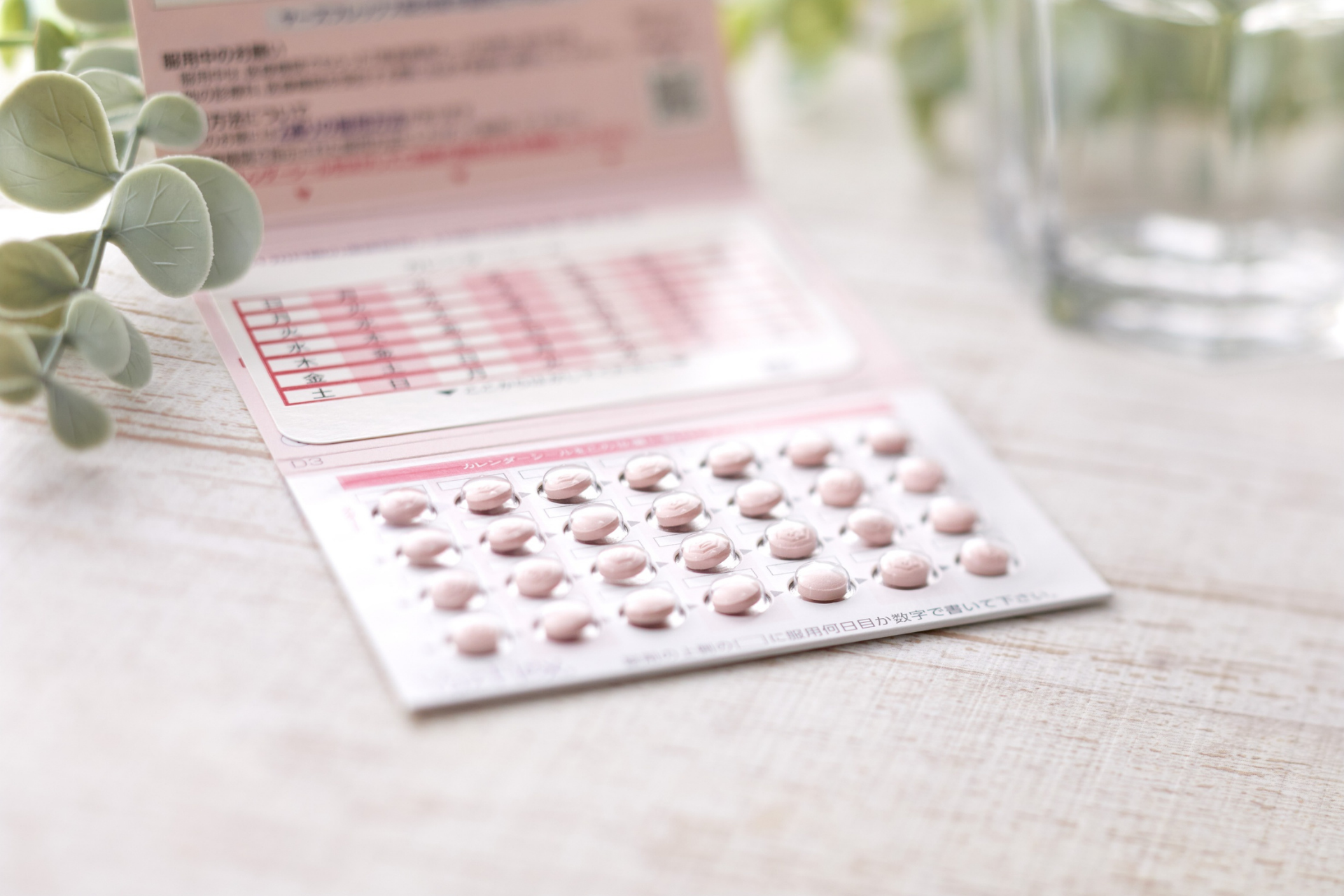 How to Manage and Reduce Side Effects of Norethindrone
Sometimes, side effects can be minimized by adjusting when or how you take the medication. Taking Norethindrone with food or at bedtime often reduces nausea and headaches.
Maintaining a healthy diet, staying hydrated, and exercising regularly can help manage weight changes, mood swings, and fluid retention. Avoiding smoking is especially important to reduce blood clot risks.
Keeping track of symptoms and side effects allows you and your healthcare provider to make informed decisions. Doctronic.ai provides convenient access to personalized advice and follow-up care without leaving home.
Allergic reactions to Norethindrone, while uncommon, require immediate attention. Signs include swelling of the face, lips, tongue, or throat, severe rash, and difficulty breathing.
If you have a history of blood clots, liver disease, or hormone-sensitive cancers, discuss these conditions with your doctor before starting Norethindrone.
Contact your healthcare provider if you experience:
Heavy or prolonged vaginal bleeding
Severe headaches or migraines
Signs of blood clots, such as leg pain, swelling, chest pain, or shortness of breath
Severe mood changes or depression
Allergic reactions such as rash, swelling, or difficulty breathing
Using Doctronic.ai telehealth services can help you get prompt medical advice and determine if urgent care is needed.
Doctronic is an AI-powered telehealth platform that offers personalized medical guidance based on the latest peer-reviewed research. It can help you understand the side effects of Norethindrone in the context of your unique health profile.
With Doctronic, you get fast, comprehensive answers and treatment recommendations tailored to your needs. This service is available 24/7 across all 50 states, making it easier than ever to manage your health from home.
Norethindrone is a valuable medication for many, but like all drugs, it comes with potential side effects. Most are mild and temporary, but some require attention. Being informed helps you use this medication safely and effectively.
Regular communication with healthcare providers and using Doctronic.ai ensures you receive the best possible care tailored to your situation.
Some users experience mild weight gain due to fluid retention, but significant weight changes are uncommon. Maintaining a healthy lifestyle can help manage this.
Hormonal changes can affect mood. If mood swings are severe or persistent, seek medical advice.
Side effects can start within the first few days to weeks of starting Norethindrone and often improve over time.
It’s important to discuss this with your doctor, as Norethindrone may increase clotting risk. Alternative treatments might be recommended.
Follow your prescribing information or consult your healthcare provider. Generally, take the missed dose as soon as you remember, unless it’s close to the next scheduled dose.
Doctronic.ai provides fast, personalized medical guidance based on your health history and current symptoms.
Understanding Norethindrone Side EffectsNorethindrone is a synthetic progestin commonly used in birth control pills, progestin-only “mini” pills, and hormone therapy. By [...]
Read More
Join 50,000+ readers using Doctronic to understand symptoms, medications,
and next steps.
Add your phone number below to get health updates and exclusive VIP offers.
By providing your phone number, you agree to receive SMS updates from Company. Message and data rates may apply. Reply “STOP” to opt-out anytime. Read our Privacy Policy and Terms of Service for more details.
Save your consults. Talk with licensed doctors and manage your health history.