

7 Common and Serious Side Effects of Claravis
Understanding Claravis Side EffectsClaravis, a form of isotretinoin, is known for its effectiveness in treating stubborn acne that doesn’t respond to other treatments. While [...]
Read More
Medically reviewed by Alan Lucks | MD, Alan Lucks MDPC Private Practice - New York on November 24th, 2025.
Isotretinoin (Claravis) causes severe skin dryness in nearly 100% of patients, requiring daily moisturizer use and complete avoidance of waxing, dermabrasion, and laser treatments during therapy and for 6 months after.
The medication increases sun sensitivity by 3-5 times normal levels, making SPF 30+ sunscreen mandatory even for brief outdoor exposure to prevent severe burns.
Monthly blood tests are required to monitor liver enzymes and lipid levels, as 25% of patients develop elevated cholesterol and triglycerides that may need dietary changes or additional medications.
Psychiatric side effects including depression and suicidal thoughts occur in 1-11% of users, with higher risk in patients with previous mental health history—immediate medical attention is needed for any mood changes.
Female patients must use two forms of contraception and undergo monthly pregnancy tests, as isotretinoin causes severe birth defects in 20-35% of exposed pregnancies, even with short-term use.
Claravis, a form of isotretinoin, is known for its effectiveness in treating stubborn acne that doesn’t respond to other treatments. While it can transform skin health, it’s important to be aware of the side effects it may cause. This guide covers seven common and serious side effects of Claravis, helping you know what to watch for and when to seek help.
One of the most frequently reported side effects of Claravis is dry skin, which can manifest as chapped lips, dry eyes, and even dry nasal passages. This occurs because isotretinoin reduces the size and activity of sebaceous glands, thereby decreasing oil production. While this side effect is generally manageable with moisturizers and lip balms, it can be uncomfortable for some users. Staying hydrated and using gentle, non-irritating skincare products can help alleviate these symptoms and improve overall comfort during treatment.
Another important aspect to consider is the potential for mood changes while on Claravis. Some patients have reported experiencing feelings of depression or anxiety, which can be concerning. It’s crucial to monitor your mental health closely and communicate any significant changes in mood to your healthcare provider. They can provide support and guidance, ensuring that your treatment plan is both effective for your skin and considerate of your emotional well-being. Engaging in regular physical activity and maintaining a supportive social network can also be beneficial during this time.
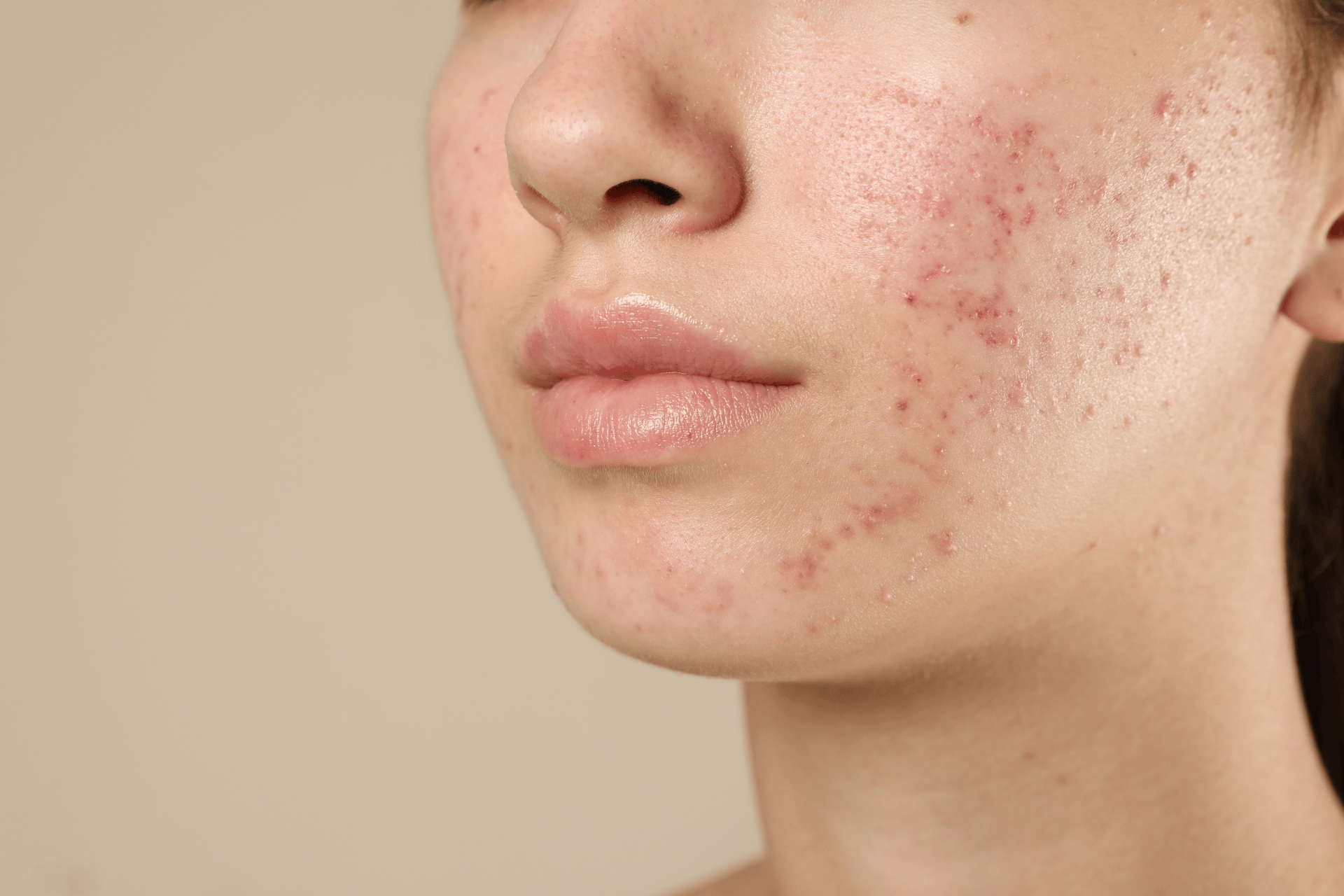 1. Dry Skin and Lips
One of the most frequent side effects of Claravis is dryness, especially on the skin and lips. This happens because the medication reduces oil production, which is essential for keeping skin hydrated. The reduction in sebum can leave the skin feeling tight and uncomfortable, leading to a noticeable change in texture and appearance.
Dryness can cause cracking, peeling, and discomfort, but it’s usually manageable with regular use of moisturizers and lip balms. Drinking plenty of water also helps. It's advisable to opt for products specifically formulated for sensitive skin, as they can provide soothing effects and help restore the skin's natural barrier. Incorporating a humidifier into your living space can add moisture to the air, which may alleviate some of the dryness experienced during treatment.
It's important to be mindful of the types of cleansers and exfoliants used during this period. Harsh soaps or scrubs can exacerbate dryness and irritation, so gentle, hydrating cleansers are recommended. Look for ingredients like hyaluronic acid or glycerin, which are known for their ability to attract and retain moisture. Also, applying a thick layer of moisturizer immediately after bathing can lock in hydration and provide a protective barrier against environmental factors that contribute to dryness.
Claravis makes your skin more sensitive to sunlight, increasing the risk of sunburn even with short sun exposure. This happens because the medication thins the outer skin layer, reducing its natural protection.
To protect yourself, use a broad-spectrum sunscreen with at least SPF 30, wear hats, and avoid prolonged sun exposure during peak hours.
Many people taking Claravis experience nosebleeds. The medication dries out the mucous membranes inside the nose, making them fragile and prone to bleeding.
Using a saline nasal spray can keep the nasal passages moist and reduce the frequency of nosebleeds. If nosebleeds become severe or frequent, contact your healthcare provider.
Some users report joint and muscle pain while on Claravis. This side effect can range from mild discomfort to more intense pain, especially after physical activity.
If pain persists or worsens, it’s important to discuss this with your doctor. Adjusting the dose or exploring pain relief options may be necessary.
Claravis has been linked to mood changes, including feelings of depression or anxiety. While not everyone experiences this, it’s crucial to monitor your emotional health during treatment.
If you notice mood swings, persistent sadness, or thoughts of self-harm, seek medical advice immediately. Telehealth services like Doctronic.ai can provide quick access to mental health support and guidance.
Claravis can cause an increase in blood cholesterol and triglyceride levels. These changes are usually temporary but can affect heart health if not monitored.
Your doctor will likely order blood tests during treatment to check these levels. Maintaining a healthy diet and lifestyle supports better outcomes.
One of the most serious risks of Claravis is its potential to cause severe birth defects. Women who are pregnant or may become pregnant must avoid taking this medication.
Strict pregnancy prevention programs are in place for Claravis users, including regular pregnancy tests and the use of effective contraception.
Using gentle moisturizers and lip balms helps manage dryness. Choose fragrance-free products to avoid irritation.
Apply sunscreen daily and wear protective clothing. Avoid tanning beds and direct sun exposure when possible.
Drinking water supports skin hydration and overall health while on Claravis.
Keep track of your mood and seek help if you notice changes. Telehealth platforms like Doctronic.ai offer convenient access to mental health professionals.
Though rare, some people may have allergic reactions to Claravis. Symptoms include rash, itching, swelling, severe dizziness, or trouble breathing. If any of these occur, seek emergency medical care immediately.
Claravis should not be taken with vitamin A supplements or certain other medications without a doctor's approval, as this can increase side effects.
Contact your healthcare provider if you experience:
Severe skin peeling or blistering
Persistent nosebleeds or heavy bleeding
Severe joint, back or muscle pain
Signs of depression or suicidal thoughts
Any signs of allergic reaction
Unusual headaches or vision changes
Early communication with your doctor can prevent complications and help adjust your treatment safely.
Doctronic is an AI-powered doctor that offers personalized medical advice based on the latest research. With over 10 million users, it provides quick, reliable answers about Claravis side effects and how to manage them.
You can visit Doctronic.ai anytime for free AI doctor visits or affordable telehealth video visits with licensed doctors across all 50 states. This makes managing your health easier and more convenient than ever.
Claravis is a powerful tool against severe acne, but it comes with side effects that require attention. Knowing what to expect and when to seek help ensures you get the best results safely.
For personalized advice, symptom checks, and telehealth visits, Doctronic.ai is a trusted resource. It combines the latest medical knowledge with AI technology to provide care that fits your life.
No, dryness usually improves after stopping the medication. Using moisturizers during treatment helps reduce discomfort.
No, Claravis is highly teratogenic and must be avoided during pregnancy. Effective contraception and regular pregnancy tests are required.
Mood changes vary by person. If you experience them, seek medical advice promptly. They often improve after stopping the medication.
Most nosebleeds are mild and manageable. If they become frequent or heavy, contact your healthcare provider.
Always consult your doctor before combining treatments to avoid harmful interactions.
Claravis requires strict monitoring protocols including monthly blood work and pregnancy testing, with immediate discontinuation needed for psychiatric symptoms or pregnancy. Most side effects are manageable with proper precautions, but the medication's teratogenic effects make contraception absolutely critical for women of childbearing age. If you're experiencing concerning symptoms while taking isotretinoin, Doctronic can help you determine whether immediate medical evaluation is needed.
Understanding Claravis Side EffectsClaravis, a form of isotretinoin, is known for its effectiveness in treating stubborn acne that doesn’t respond to other treatments. While [...]
Read More