

6 Common and Serious Side Effects of Kyleena
Key TakeawaysKyleena is a hormonal intrauterine device (IUD) used for long-term birth control.Common side effects include irregular bleeding, pain, dizziness, cramping, and [...]
Read More
Medically reviewed by Alan Lucks | MD, Alan Lucks MDPC Private Practice - New York on December 18th, 2025.
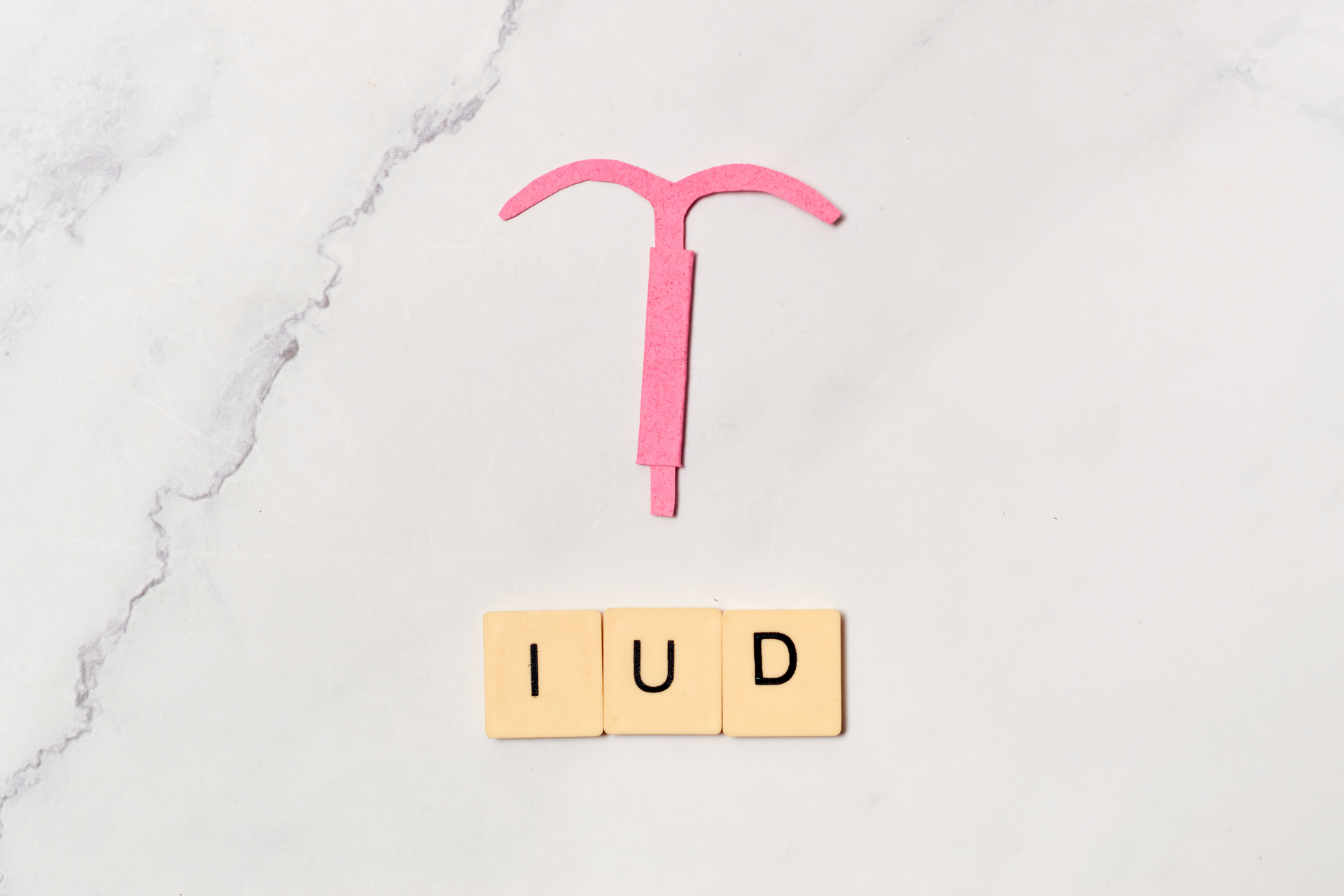
Kyleena is a hormonal intrauterine device (IUD) used for long-term birth control.
Common side effects include irregular bleeding, pain, dizziness, cramping, and hormonal changes.
Serious side effects, though rare, may involve pelvic infections, device expulsion, or hormonal complications.
Understanding side effects helps in managing them effectively and knowing when to seek medical care.
Doctronic.ai offers personalized telehealth consultations to discuss Kyleena side effects and treatment options.
Kyleena is a popular hormonal intrauterine device designed to provide effective birth control for up to five years. It releases a small amount of levonorgestrel, a synthetic form of the hormone progesterone, directly into the uterus. This targeted hormone release helps prevent pregnancy by thickening cervical mucus and thinning the uterine lining.
Like any medical device or medication, Kyleena comes with potential side effects. These vary from mild and temporary to more serious conditions requiring medical attention. Knowing what to expect can help users feel more confident and prepared. Side effects often relate to the hormonal changes Kyleena causes, as well as the physical presence of the device in the uterus.
One of the most common side effects after Kyleena insertion is irregular bleeding. This can include spotting between periods, heavier or longer menstrual bleeding, or sometimes lighter periods. Many users notice these changes during the first few months after insertion.
This irregular bleeding happens because the hormone levonorgestrel affects the uterine lining, causing it to thin and sometimes break down unpredictably. While it can be inconvenient, this side effect often lessens over time as the body adjusts to the device.
Cramping is another frequent complaint, especially shortly after Kyleena is placed. The uterus may react to the foreign object by contracting, which can cause mild to moderate pain similar to menstrual cramps.
For most users, cramping decreases within a few weeks. If the pain is severe or persists, it could indicate an issue such as device displacement or infection. In such cases, consulting a healthcare professional is important.
Since Kyleena releases hormones, some users experience symptoms related to hormonal fluctuations. These may include mood swings, headaches, acne, breast tenderness, or changes in libido.
These side effects vary widely between individuals. Some may notice them only briefly, while others might experience them throughout their use of Kyleena. If hormonal symptoms become disruptive, discussing alternatives or management strategies with a doctor is advisable.
In rare cases, Kyleena can be partially or completely expelled from the uterus. This usually happens within the first few months after insertion. Expulsion can cause discomfort, irregular bleeding, or a feeling that the device is missing.
If expulsion occurs, the device will no longer provide effective contraception. Users should seek medical evaluation promptly to confirm the device’s position and discuss replacement options.
Pelvic inflammatory disease (PID) is a serious but uncommon side effect associated with IUDs like Kyleena. It occurs when bacteria enter the uterus during or after insertion, leading to infection.
Symptoms of PID include severe pelvic pain, fever, unusual vaginal discharge, and pain during intercourse. Prompt medical attention is crucial to treat the infection and prevent complications such as infertility.
Kyleena users may develop ovarian cysts, which are fluid-filled sacs on the ovaries. These cysts are usually benign and often resolve on their own without treatment.
Large cysts can cause pain or discomfort. Regular check-ups can help monitor cysts and ensure they do not cause complications.
 How to Manage and Reduce Side Effects of Kyleena
Tracking bleeding patterns can help users anticipate changes. Over-the-counter pain relievers like Ibuprofen may reduce discomfort. If bleeding is heavy or prolonged, a healthcare provider can evaluate for other causes and offer solutions.
Applying heat to the lower abdomen and resting can ease cramps. Mild exercise and relaxation techniques may also help. Persistent or severe pain should be discussed with a doctor to rule out complications.
Lifestyle changes such as regular sleep, a balanced diet, and stress management can mitigate mood swings and headaches. For more severe symptoms, medical advice is important to consider alternative birth control methods or supportive treatments.
Users should check for the IUD strings regularly as instructed by their healthcare provider. If the strings feel shorter, longer, or missing, or if unusual symptoms arise, prompt medical consultation is necessary.
Though rare, some individuals may have an allergic reaction to Kyleena’s materials or hormones. Signs include rash, itching, swelling, or difficulty breathing. Immediate medical care is necessary if an allergic reaction is suspected.
Kyleena is not recommended for women with certain health conditions, such as active pelvic infections, unexplained vaginal bleeding, or known allergies to levonorgestrel or device components.
After Kyleena is placed, it’s normal to experience some spotting, cramping, or mild discomfort. Most side effects improve within a few months as your body adjusts. Regular follow-up appointments with your healthcare provider ensure the device remains properly positioned and functioning.
If side effects persist or worsen, Doctronic’s telehealth services can provide timely advice and help determine if further medical evaluation is needed.
While many side effects are mild and temporary, certain symptoms require immediate medical attention. Contact a healthcare professional if you experience:
Severe pelvic or abdominal pain
Heavy or prolonged vaginal bleeding
Fever or chills indicate a possible infection
Signs of allergic reaction, such as swelling or difficulty breathing
Missing IUD strings or feeling the device in the cervix or vagina
Early intervention can prevent complications and ensure safe, effective use of Kyleena.
Understanding side effects is easier with personalized support. Doctronic.ai offers free AI doctor visits that provide tailored information based on the latest medical research. Whether you have questions about Kyleena’s side effects or want advice on managing symptoms, Doctronic’s AI doctor delivers fast, reliable answers.
For more in-depth consultations, Doctronic also provides affordable telehealth video visits with licensed doctors available 24/7 across all 50 states. This convenient access to expert care can help you navigate concerns about Kyleena or any other health issues without leaving home.
Visit Doctronic.ai to explore how AI-powered healthcare can support your reproductive health journey.
Kyleena offers effective, long-term birth control with a generally favorable side effect profile. Most users experience mild, manageable symptoms that improve over time. Serious side effects are uncommon but require prompt medical attention.
Being informed about potential side effects empowers users to make confident decisions and seek care when needed. Doctronic.ai provides accessible, personalized support to help you navigate your health with the latest medical knowledge at your fingertips.
Some users report minor weight changes, but scientific evidence does not strongly link Kyleena to significant weight gain. Hormonal fluctuations might cause temporary fluid retention or appetite changes.
Yes, many users experience lighter periods or no periods at all after several months. This is due to the thinning of the uterine lining and is generally not harmful.
Side effects often start within the first few days to weeks after insertion. Most improve over time, but any severe or unusual symptoms should be checked promptly.
Absolutely. Kyleena can be removed at any time by a healthcare professional if side effects are bothersome or if you wish to discontinue use.
Doctronic.ai offers personalized AI-driven consultations and telehealth visits with licensed doctors to answer questions about Kyleena and other health concerns.
Key TakeawaysKyleena is a hormonal intrauterine device (IUD) used for long-term birth control.Common side effects include irregular bleeding, pain, dizziness, cramping, and [...]
Read More