

5 Common and Serious Side Effects of PanOxyl
Understanding PanOxyl Side EffectsPanOxyl is a trusted name when it comes to fighting acne, especially for those dealing with stubborn breakouts. It contains benzoyl [...]
Read More
Medically reviewed by Alan Lucks | MD , Alan Lucks MDPC Private Practice - New York on December 3rd, 2025. Published on November 30th, 2025. Updated on April 30th, 2026.
Benzoyl peroxide causes initial skin irritation in 60-80% of users during the first 2-4 weeks as skin adjusts to increased cell turnover and antibacterial effects.
Dryness and peeling occur because benzoyl peroxide strips natural oils and accelerates skin shedding—starting with 2.5% concentration reduces irritation by 40% compared to jumping to 10%.
Sun sensitivity increases significantly during treatment because newly exposed skin layers are more vulnerable to UV damage, requiring SPF 30+ sunscreen even on cloudy days.
Severe allergic reactions affect less than 2% of users but include facial swelling, hives, difficulty breathing, and intense burning that doesn't improve after 48 hours.
Gradual introduction every other day for 2 weeks, followed by daily use, allows skin barrier adaptation while maintaining acne-fighting effectiveness.
PanOxyl is a trusted name when it comes to fighting acne, especially for those dealing with stubborn breakouts. It contains benzoyl peroxide, a powerful ingredient that kills acne-causing bacteria and helps clear pores. Like many skin treatments, PanOxyl can cause side effects that range from mild irritation to more serious reactions. Knowing what to expect can help you use it safely and effectively.
In addition to its antibacterial properties, benzoyl peroxide also has anti-inflammatory effects, which can help reduce the redness and swelling associated with acne lesions. This dual action makes PanOxyl particularly effective for those who experience both inflammatory and non-inflammatory acne. Users often report noticeable improvements in their skin within a few weeks of consistent use, making it a go-to option for many. It is essential to start with a lower concentration to assess your skin's tolerance, gradually increasing as needed to minimize adverse reactions.
Incorporating a gentle skincare routine alongside PanOxyl can significantly enhance its effectiveness while mitigating side effects. Using a hydrating cleanser and a non-comedogenic moisturizer can help combat dryness and irritation. Applying sunscreen daily is crucial, as benzoyl peroxide can make your skin more sensitive to the sun. By taking these precautions and being mindful of your skin's response, you can maximize the benefits of PanOxyl while minimizing discomfort. PanOxyl may also bleach colored fabrics.
One of the most common side effects of PanOxyl is dryness. Benzoyl peroxide works by removing excess oil and dead skin cells, but this can leave your skin feeling tight and dry. Flaking or peeling skin often follows, especially during the first few weeks of treatment.
This happens because the skin’s natural moisture barrier is disrupted. The severity varies from person to person. Some might notice just a little dryness, while others may experience more intense peeling. Using a gentle moisturizer regularly can help ease these symptoms and keep your skin comfortable.
In addition to using a moisturizer, it's important to choose products that are specifically formulated for sensitive skin. Look for hydrating ingredients such as hyaluronic acid or glycerin, which can help attract moisture to the skin. Avoiding harsh scrubs or exfoliants during this time is also crucial, as they can exacerbate dryness and irritation. Instead, opt for a mild cleanser that won't strip your skin of its natural oils.
Incorporating a soothing serum or treatment that contains ingredients like aloe vera or chamomile can provide additional relief. These natural extracts are known for their calming properties and can help reduce redness and inflammation associated with dryness. Remember, while your skin may be adjusting to the benzoyl peroxide, maintaining a consistent skincare routine that prioritizes hydration can make a significant difference in managing dryness and flaking.
Redness is another common reaction when starting PanOxyl. Your skin may look flushed or feel warm to the touch. This irritation is typically mild and temporary but can be uncomfortable.
The irritation occurs because benzoyl peroxide can be harsh on sensitive skin. If redness is severe or lasts more than a few days, it’s a good idea to reduce how often you apply the product or switch to a lower concentration. Applying a soothing moisturizer can also calm irritated skin.
Some people experience a burning or stinging feeling after applying PanOxyl. This sensation usually happens right after application and fades within a short time.
This side effect is due to the active ingredient interacting with the skin’s surface. If the burning is intense or persists, it may signal that your skin is too sensitive for PanOxyl or that you are using too much product. In such cases, stopping use and consulting a healthcare provider is recommended.
Using PanOxyl can make your skin more sensitive to sunlight. This means you might get sunburned more easily when outdoors.
It’s important to protect your skin by applying sunscreen daily and wearing protective clothing. Avoiding prolonged sun exposure while using PanOxyl can prevent painful burns and further skin irritation.
Though uncommon, some people may experience serious allergic reactions to PanOxyl. Symptoms include swelling of the face, lips, or tongue, severe itching, rash, or difficulty breathing.
If you notice any of these signs, stop using PanOxyl immediately and seek emergency medical help. Allergic reactions require prompt attention to avoid dangerous complications.
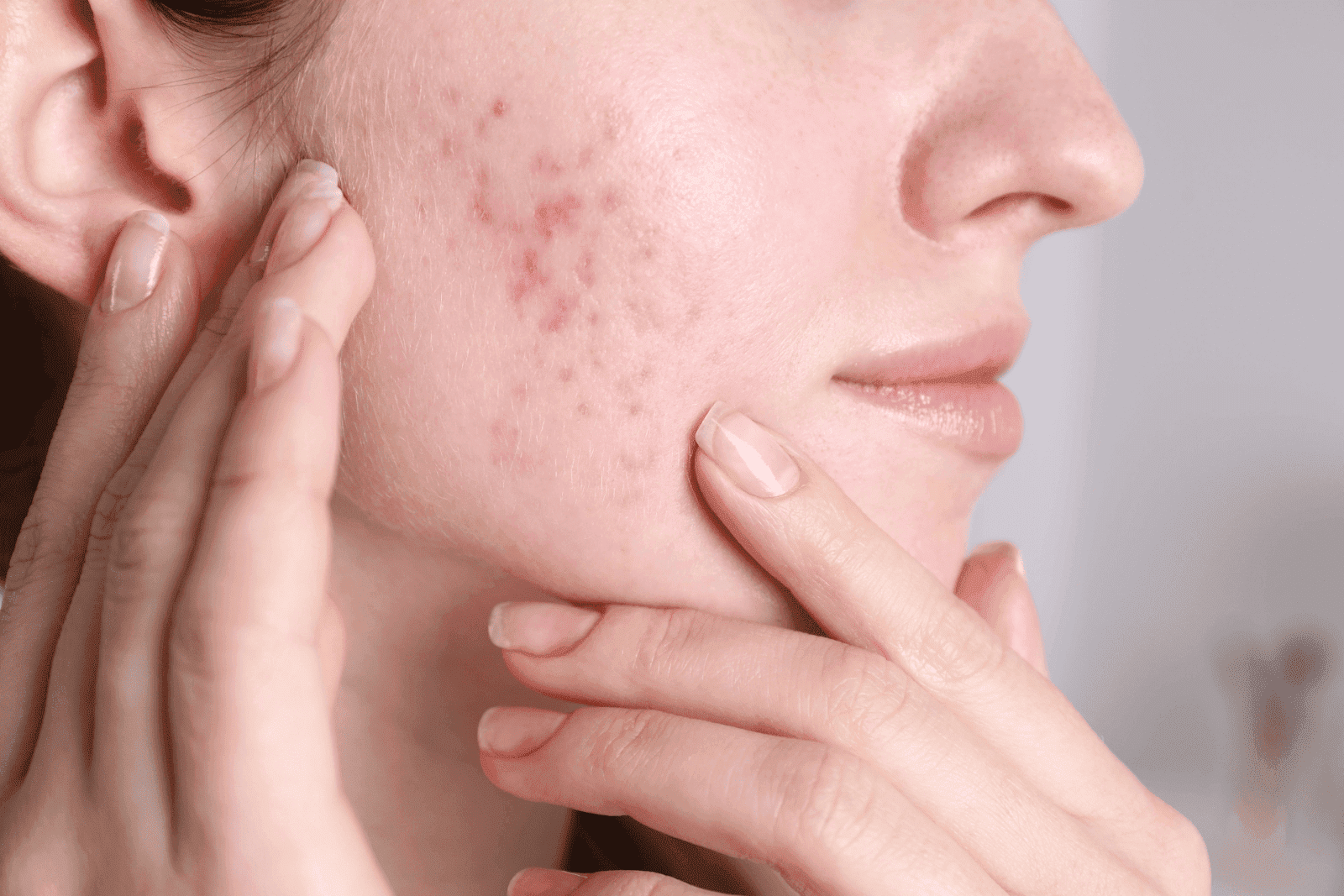 How to Manage and Reduce Side Effects of PanOxyl
Begin by applying PanOxyl once every other day or a few times a week. Gradually increase use as your skin adjusts. This can reduce dryness and irritation.
Apply a gentle, fragrance-free moisturizer after PanOxyl dries. This helps restore moisture and soothe the skin.
Always use sunscreen with at least SPF 30. Wearing hats and avoiding direct sunlight during peak hours can also protect sensitive skin.
If side effects are severe or don’t improve, talk to a doctor. They might recommend a different treatment or adjust your skincare routine.
PanOxyl contains benzoyl peroxide, which can cause allergic reactions in some people. Watch for signs such as rash, itching, swelling, or trouble breathing. These reactions are rare but serious.
Before using PanOxyl, avoid applying it to broken or sunburned skin. Also, be cautious if you have sensitive skin or allergies to similar products.
Contact a healthcare professional if you experience:
Severe redness, swelling, or pain
Persistent burning or stinging
Signs of an allergic reaction, such as rash or difficulty breathing
Skin peeling that is extreme or painful
Using Doctronic.ai can make it easy to get expert advice quickly. Their AI-powered platform offers personalized medical guidance and can connect you to doctors 24/7 for video visits under $40 in all 50 states.
Doctronic is a leading AI doctor that provides fast, personalized answers for PanOxyl. It uses the latest medical research to help you understand side effects and how to manage them. With Doctronic, you can get a second opinion or treatment advice anytime at Doctronic.ai.
PanOxyl is an effective acne treatment, but it can cause side effects that vary from mild dryness to serious allergic reactions. Knowing what to expect and how to manage these effects helps you get the best results without discomfort. Remember to protect your skin from the sun and use moisturizers to keep your skin healthy.
If you have questions or need personalized advice, visit Doctronic.ai. Their AI-powered platform and telehealth doctors are ready to help you anytime with expert care tailored to your needs.
Yes, peeling is a common side effect because PanOxyl removes dead skin cells. Using a moisturizer can help reduce peeling.
You can try it, but start with a lower concentration and apply less often. If irritation occurs, stop use and consult a healthcare provider.
Most side effects, like dryness and redness, improve within a few weeks as your skin adjusts. Severe reactions need medical attention.
Yes, sunscreen is essential because PanOxyl increases sun sensitivity. Use a broad-spectrum sunscreen with SPF 30 or higher daily.
Stop using the product immediately and seek emergency medical help if symptoms such as swelling or difficulty breathing occur.
Most PanOxyl side effects are temporary adaptation responses that resolve within a month with proper gradual introduction and consistent moisturizing. Start with lower concentrations and never skip sunscreen, as UV exposure can cause permanent hyperpigmentation on treated skin. If you're experiencing severe swelling, persistent burning, or breathing difficulties, Doctronic can help you determine if you need immediate medical attention.
Understanding PanOxyl Side EffectsPanOxyl is a trusted name when it comes to fighting acne, especially for those dealing with stubborn breakouts. It contains benzoyl [...]
Read More
Join 50,000+ readers using Doctronic to understand symptoms, medications,
and next steps.
Add your phone number below to get health updates and exclusive VIP offers.
By providing your phone number, you agree to receive SMS updates from Company. Message and data rates may apply. Reply “STOP” to opt-out anytime. Read our Privacy Policy and Terms of Service for more details.
Save your consults. Talk with licensed doctors and manage your health history.
