
5 Common and Serious Side Effects of Benzoyl Peroxide

Medically reviewed by Alan Lucks | MD, Alan Lucks MDPC Private Practice - New York on December 2nd, 2025.
Published on November 30th, 2025. Updated on July 23rd, 2026.
Key takeaways
Contact dermatitis affects 15-20% of first-time users within the first week, presenting as red, swollen skin that may blister or burn rather than just mild irritation.
Starting concentrations should begin at 2.5% applied every other day for two weeks—jumping to 5-10% formulations causes irritation in 60% more users than gradual introduction.
The medication increases photosensitivity by 30-50%, making skin burn faster even with brief sun exposure, requiring SPF 30+ sunscreen reapplication every 2 hours.
Fabric bleaching occurs within 10-15 minutes of contact with damp product, permanently damaging colored clothing, towels, and pillowcases—complete drying takes 20-30 minutes.
Severe allergic reactions, though rare (affecting less than 1% of users), include facial swelling, difficulty breathing, and widespread hives requiring immediate emergency care.
Understanding Benzoyl Peroxide Side Effects
Benzoyl Peroxide works by killing the bacteria that contribute to acne and by helping to unclog pores, making it a powerful ally in the fight against breakouts. Its potency can also lead to varying degrees of skin sensitivity. Users often report experiencing dryness, peeling, or redness, particularly when they first start using the product. To mitigate these effects, dermatologists often recommend starting with a lower concentration and gradually increasing it as the skin builds tolerance. Incorporating a gentle cleanser and a non-comedogenic moisturizer into your skincare routine can help maintain skin hydration and balance.
It's also crucial to be aware of the signs of an allergic reaction, which may include severe itching, swelling, or hives. If any of these symptoms occur, it is essential to discontinue use and consult a healthcare professional immediately. For those who find benzoyl Peroxide too harsh for their skin, there are alternative treatments available, such as salicylic acid or retinoids, which may provide similar benefits with fewer side effects. Exploring these options with a dermatologist can lead to a more tailored and effective acne treatment plan, ensuring that individuals find the right balance for their unique skin type.
1. Skin Dryness and Peeling
Benzoyl Peroxide works by killing acne-causing bacteria and helping to clear pores. It often dries out the skin. This dryness can cause flaking and peeling, especially when you first start using the product. Up to 30% of users experience this side effect.
Dry skin happens because benzoyl Peroxide strips away oils that normally keep your skin moist. The severity varies depending on your skin type and how often you apply it. Using a gentle moisturizer alongside benzoyl Peroxide can help reduce dryness. Applying the treatment less frequently at first also allows your skin to adjust.
2. Redness and Irritation
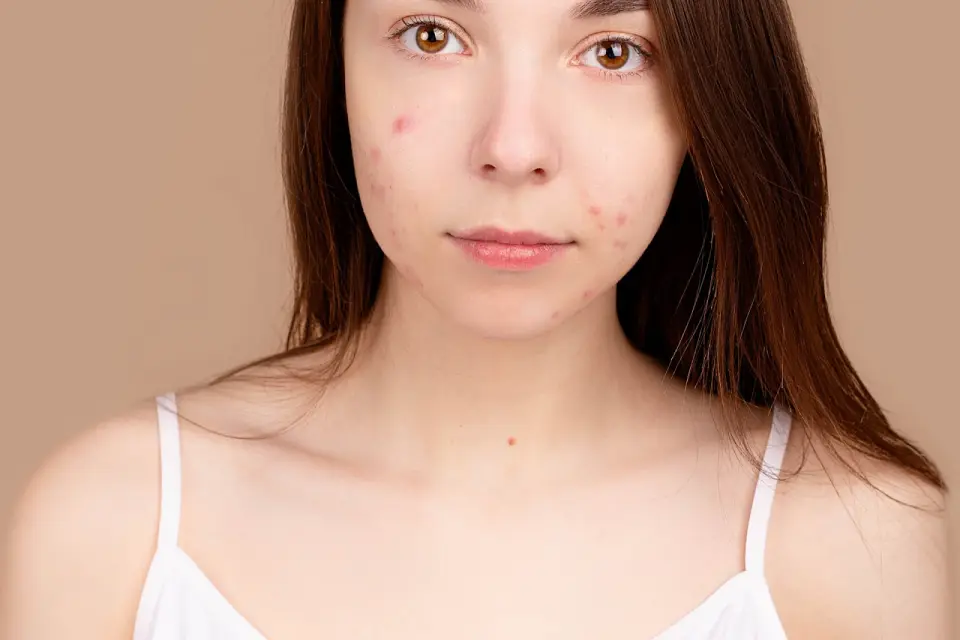
Many people notice redness or irritation where benzoyl Peroxide is applied. This can feel like mild burning or itching. The irritation is usually temporary but can be uncomfortable. It happens because benzoyl Peroxide causes mild inflammation as it attacks bacteria and exfoliates skin.
To ease irritation, try using a lower concentration of benzoyl Peroxide or applying it every other day. Avoid using other harsh skincare products at the same time. If irritation persists or worsens, it’s a good idea to get advice from a healthcare professional. Doctronic.ai offers quick and affordable video visits with doctors who can help.
3. Increased Sensitivity to Sunlight
Benzoyl Peroxide can make your skin more sensitive to the sun. This means you might burn more easily when outside. Sun sensitivity occurs because the skin’s protective barrier is weakened by the treatment.
It’s important to use sunscreen daily while using benzoyl Peroxide. Wearing hats and protective clothing can also reduce sun exposure. If you notice any severe sunburn or rash, stop using the product and consult a doctor.
4. Staining of Clothes and Hair
One less talked about side effect is that benzoyl Peroxide can bleach fabrics and hair. It can leave white or yellow stains on towels, pillowcases, and clothing. This happens because benzoyl Peroxide is a strong oxidizing agent.
To avoid staining, let the product dry completely before dressing or lying down. Use old towels and pillowcases while treating your skin. If you notice bleaching in your hair, try to keep the product away from your hairline.
5. Rare but Serious Side Effects: Allergic Reactions
Though uncommon, some people may have an allergic reaction to benzoyl Peroxide. Symptoms include severe redness, swelling, blistering, or itching that worsens quickly. If you experience these signs, stop using the product immediately and seek medical care.
Allergic reactions require prompt attention because they can escalate. If you’re unsure whether your symptoms are an allergy or normal irritation, a telehealth visit with a doctor at Doctronic.ai can provide personalized guidance quickly.
 How to Manage and Reduce Side Effects of Benzoyl Peroxide
Start Slowly
Begin with a lower concentration or apply benzoyl Peroxide every other day. This helps your skin build tolerance and reduces the chance of irritation.
Use Moisturizers
Applying a gentle, fragrance-free moisturizer after benzoyl Peroxide can soothe dryness and peeling. Look for products with ingredients such as ceramides or hyaluronic acid.
Protect Your Skin from the Sun
Daily sunscreen use is essential. Choose a broad-spectrum sunscreen with at least SPF 30. Reapply often if you are outdoors.
Avoid Harsh Skincare Products
Don’t combine benzoyl Peroxide with other strong acne treatments like retinoids or exfoliating acids unless advised by a doctor. This can increase irritation.
Benzoyl Peroxide Allergic Reactions and Warnings
Allergic reactions to benzoyl Peroxide are rare but serious. Watch for symptoms such as:
Severe redness or swelling
Blistering or hives
Intense itching or burning
Difficulty breathing (seek emergency help immediately)
If any of these occur, discontinue use and contact a healthcare provider. Early treatment can prevent complications.
When to Contact Your Doctor About Benzoyl Peroxide Side Effects
Most side effects, such as dryness or mild irritation, improve with time or simple care. See a doctor if you experience:
Severe or worsening redness and swelling
Signs of infection, such as pus or increased pain
Allergic reaction symptoms
Side effects that interfere with daily life
Doctronic.ai provides fast, affordable access to doctors who can evaluate your symptoms and recommend next steps without leaving home.
Learn More About Benzoyl Peroxide Side Effects With Doctronic
Every person’s skin reacts differently to benzoyl Peroxide. That’s why personalized advice matters. Doctronic’s AI-powered doctor uses the latest medical research combined with your health history to offer tailored answers about side effects and how to manage them.
Whether you want a quick answer or a full telehealth visit, Doctronic.ai is available 24/7 in all 50 states. Millions have trusted Doctronic for fast, smart, and personal care that remembers your needs every time.
The Bottom Line About Benzoyl Peroxide Side Effects
Benzoyl Peroxide remains one of the most effective over-the-counter treatments for acne. It kills bacteria, unclogs pores, and reduces inflammation. Its benefits come with some risks of side effects, especially when first starting treatment.
Knowing what to expect and how to manage these side effects helps you stick with the treatment and achieve clearer skin safely. If you ever feel overwhelmed or unsure, a quick chat with a doctor through a Doctronic telehealth service can make all the difference.
Frequently Asked Questions
Yes, peeling is a common side effect as your skin adjusts. Using a moisturizer and starting slowly can help reduce peeling.
Permanent damage is rare. Most side effects are temporary and improve after stopping use or adjusting how you apply it.
Side effects like dryness and irritation often improve within 1 to 2 weeks as your skin builds tolerance.
It’s best to avoid combining it with other strong treatments unless your doctor approves, to prevent irritation.
Stop using benzoyl Peroxide immediately and seek medical care. If symptoms are severe, go to the emergency room.
Doctronic offers personalized medical advice based on the latest research and your health history. You can get answers or schedule a telehealth visit anytime at Doctronic.ai.
References
The Bottom Line
Most side effects resolve within 2-4 weeks by starting with low concentrations and proper sun protection, but severe reactions require immediate discontinuation. Always allow the product to fully dry before touching fabrics and use white towels and pillowcases during treatment. If you're experiencing persistent burning, swelling, or breathing difficulties, Doctronic can help you determine if your symptoms require urgent attention.
Related articles

How to Calm an Anxiety Attack: Techniques That Work in the Moment

Melasma vs. Hyperpigmentation: Key Differences and Treatment Approaches

Sun Allergy: Why Your Skin Reacts to UV and How to Manage It
Poison Ivy Rash Stages: What to Expect from Day 1 to Full Healing

Can Allergies Make You Feel Sick? Spring Allergy Symptoms That Mimic Illness

Supplements for Depression: What the Evidence Says About Natural Options

Plantar Fasciitis Treatment: A Runner's Guide to Getting Back on Your Feet

Poison Ivy Rash Treatment: Home Remedies vs. Medical Care
Ask about Benzoyl Peroxide side effects
Chat Now