Advair Diskus can interact with other medications, supplements, and alcohol, potentially altering its effectiveness or causing harmful side effects.
Common interactions include beta-blockers, diuretics, and certain antifungal or antibiotic drugs.
Alcohol can worsen respiratory side effects or increase the risk of adverse reactions when combined with Advair Diskus.
Always consult a healthcare provider before starting or stopping any medication while using Advair Diskus.
Doctronic.ai offers personalized telehealth consultations to help manage medication interactions safely.
Optimizing Respiratory Treatment With Advair Through Safe Medication Practices
Understanding the potential interactions with Advair Diskus is crucial for anyone using this medication. For instance, beta-blockers, often prescribed for heart conditions, can counteract the bronchodilatory effects of Advair, making it less effective for asthma or COPD management. Similarly, diuretics can lead to electrolyte imbalances, which may exacerbate the side effects of Advair, particularly in patients with pre-existing conditions. It is essential for patients to maintain open communication with their healthcare providers about all medications they are taking, including over-the-counter drugs and herbal supplements, to ensure a comprehensive approach to their treatment.
The role of lifestyle choices, such as alcohol consumption, cannot be overlooked. Alcohol not only has the potential to amplify respiratory side effects but can also impair the body's overall ability to manage chronic respiratory conditions. Patients are encouraged to monitor their alcohol intake and discuss any concerns with their healthcare provider. By utilizing telehealth services like Doctronic.ai, patients can receive tailored advice on managing their medications and lifestyle factors, ensuring a safer and more effective treatment plan. This modern approach to healthcare allows for greater accessibility and convenience, making it easier for patients to stay informed and proactive about their health.
Understanding Advair Diskus Interactions for Safe Usage
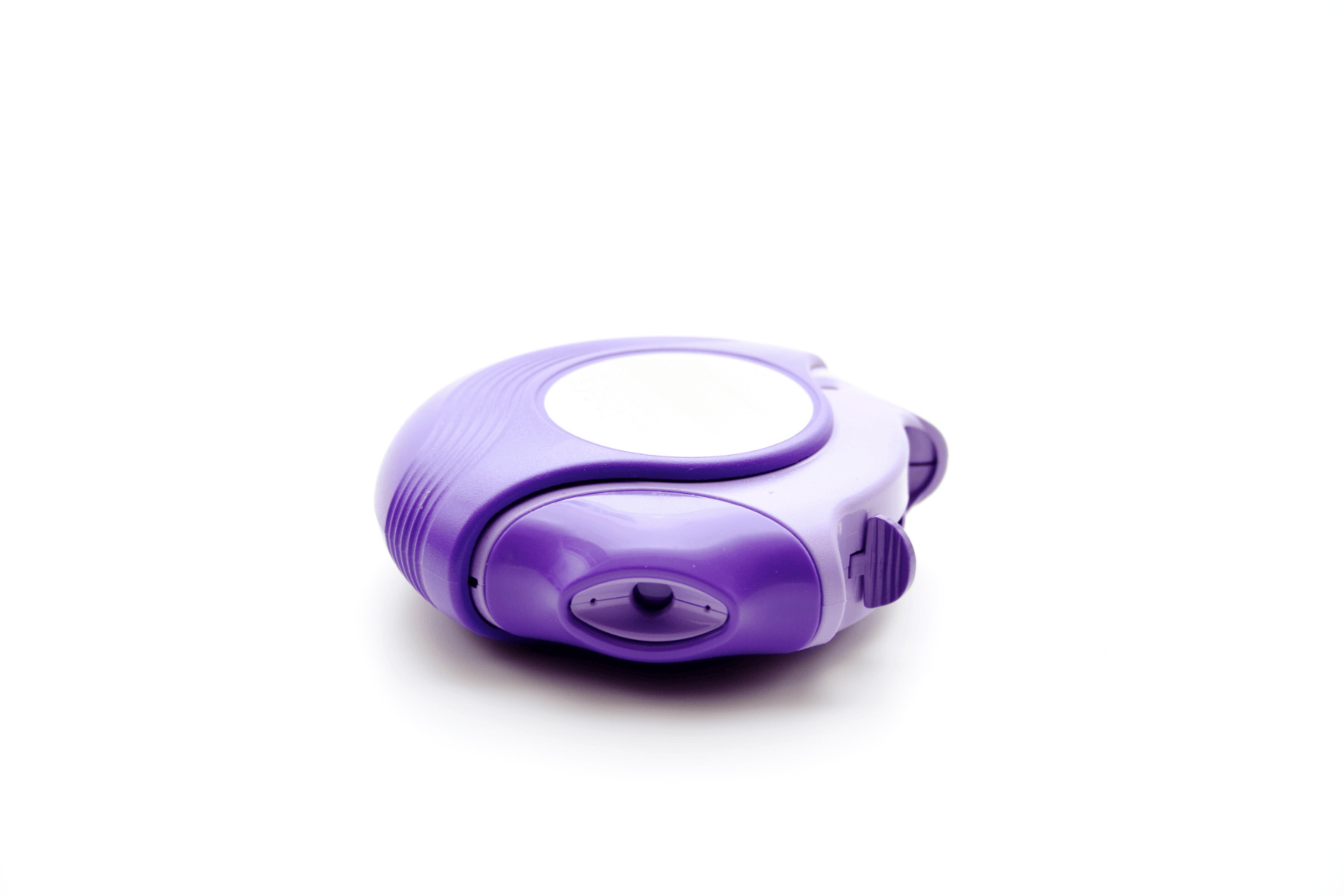
Advair Diskus is a commonly prescribed inhaler combining fluticasone, a corticosteroid, and salmeterol, a long-acting beta2-agonist. It’s widely used to manage asthma and chronic obstructive pulmonary disease (COPD). While effective, Advair Diskus can interact with other drugs and substances, sometimes reducing its benefits or increasing risks.
Knowing what to avoid when taking Advair Diskus is crucial to preventing complications. Interactions may affect how the medication works or cause serious side effects like heart rhythm problems, increased blood pressure, or weakened immune response. This article highlights the most important interactions to watch for and how to manage them.
One of the significant drug interactions to be aware of is with certain antifungal medications, such as ketoconazole and itraconazole. These drugs can increase the levels of fluticasone in the blood, potentially leading to heightened side effects associated with corticosteroids, such as adrenal suppression or increased risk of infections. It’s essential for patients to inform their healthcare providers about all medications they are taking, including over-the-counter drugs and supplements, to ensure safe and effective treatment plans. Patients should be cautious with other respiratory medications, particularly those containing sympathomimetics, as these can exacerbate the side effects of salmeterol, leading to increased heart rate or palpitations.
Lifestyle factors can also play a role in the effectiveness of Advair Diskus. For instance, the use of tobacco can significantly diminish the benefits of the medication, as smoking can exacerbate respiratory conditions and counteract the anti-inflammatory effects of fluticasone. Patients are encouraged to quit smoking and avoid exposure to secondhand smoke to maximize the therapeutic effects of their inhaler. Dietary considerations, such as high-salt diets, can contribute to fluid retention and elevated blood pressure, which may compound the cardiovascular risks associated with salmeterol. Therefore, maintaining a balanced diet and adhering to a healthy lifestyle are vital components of managing asthma and COPD effectively while using Advair Diskus.
1. Beta-Blockers and Advair Diskus
Why This Interaction Matters
Beta-blockers, often prescribed for heart conditions and high blood pressure, can interfere with the effectiveness of salmeterol, the bronchodilator in Advair Diskus. These drugs work by blocking beta receptors, which can counteract the bronchodilation effect, leading to worsened breathing symptoms.
Risks and Symptoms
Using beta-blockers alongside Advair Diskus may cause increased wheezing, shortness of breath, or even asthma attacks. Non-selective beta-blockers, such as propranolol, pose a higher risk, but even cardioselective ones should be used cautiously.
Managing This Interaction
If you require beta-blockers, your healthcare provider may adjust your Advair dosage or recommend alternative treatments. Never stop or start beta-blockers without medical advice. For personalized guidance, telehealth services like Doctronic.ai can provide quick, expert consultations tailored to your medical history.
2. Diuretics and Electrolyte Imbalance
What Happens When Diuretics Are Combined With Advair Diskus
Diuretics, or water pills, help reduce fluid retention but can cause low potassium levels in the blood. When combined with Advair Diskus, especially the salmeterol component, this can increase the risk of abnormal heart rhythms.
Signs to Watch For
Symptoms of low potassium include muscle weakness, cramps, irregular heartbeat, and fatigue. These can be dangerous, especially for people with heart conditions.
How to Stay Safe
Regular monitoring of potassium levels is essential if you use both medications. Your doctor may recommend potassium supplements or dietary changes. Always inform your healthcare provider about all medications and supplements you take to avoid hidden risks.
3. Antifungal and Antibiotic Medications
Interaction With CYP3A4 Inhibitors
Advair Diskus’s fluticasone is metabolized by the liver enzyme CYP3A4. Certain antifungal drugs (like ketoconazole) and antibiotics (such as erythromycin) inhibit this enzyme, causing fluticasone to build up in the body.
Potential Side Effects
Higher levels of fluticasone can increase the risk of corticosteroid-related side effects, including weakened immune function, increased blood pressure, bone thinning, pneumonia, oral thrush, and adrenal suppression.
Recommendations
If you need antifungal or antibiotic treatment, your doctor may adjust your Advair dosage or monitor you more closely. Never self-medicate or change your treatment plan without professional advice.
Advair Diskus Interactions With Supplements and OTC Medications
Some over-the-counter (OTC) medications and supplements can also interact with Advair Diskus. For example, stimulant-containing cold remedies may increase heart rate and blood pressure, compounding salmeterol’s effects.
Supplements like St. John’s Wort can induce liver enzymes and reduce fluticasone levels, potentially decreasing Advair’s effectiveness. Always check with your healthcare provider before adding any new supplement or OTC drug.
Advair Diskus and Alcohol
Alcohol consumption while using Advair Diskus can exacerbate side effects such as dizziness, increased heart rate, and respiratory problems. Alcohol may also impair your immune system, making it harder for your body to fight infections, which is particularly concerning for those with asthma or COPD.
Limiting or avoiding alcohol is advisable to maintain optimal control of your respiratory condition and reduce the risk of adverse reactions.
Avoiding Advair Diskus Interactions
Tips for Safe Medication Use
Keep an updated list of all medications, supplements, and OTC products you use.
Inform every healthcare provider about your Advair Diskus treatment.
Never start or stop medications without consulting your doctor.
Use telehealth services like Doctronic.ai for quick, personalized advice on managing interactions and side effects.
Attend regular follow-ups and lab tests as recommended.
When to Contact Your Doctor About Advair Diskus Interactions
Seek medical advice immediately if you experience:
Severe shortness of breath or wheezing
Irregular or rapid heartbeat
Muscle weakness or cramps
Signs of infection, like fever, sore throat, or mouth sores
Unusual fatigue or dizziness
Prompt evaluation can prevent serious complications and ensure your treatment remains safe and effective.
Staying Safe With Advair Diskus
Advair Diskus is a powerful tool for managing respiratory conditions, but like any medication, it requires careful use to avoid interactions. Understanding the risks associated with beta-blockers, diuretics, antifungals, antibiotics, supplements, and alcohol can help you stay healthy and breathe easier.
For personalized advice tailored to your unique health profile, consider using Doctronic.ai. This AI-powered telehealth service offers quick, expert guidance, helping you navigate medication interactions safely and conveniently from home.
Frequently Asked Questions
Yes, but it depends on the medication. Some combinations are safe and commonly used, while others may increase side effects. Always check with your healthcare provider before combining treatments.
Alcohol can worsen side effects and respiratory symptoms. It’s best to limit or avoid alcohol while on Advair Diskus.
Telehealth platforms like Doctronic.ai provide fast, personalized consultations. They can review your medications, medical history, and symptoms to help you avoid harmful interactions without needing an in-person visit.
Take the missed dose as soon as you remember, unless it’s close to the next scheduled dose. Do not double up doses. Contact your healthcare provider if you’re unsure.
Certain supplements, especially those affecting liver enzymes or heart rate, can interact with Advair Diskus. Always discuss supplements with your doctor.
Key TakeawaysAdvair Diskus can interact with other medications, supplements, and alcohol, potentially altering its effectiveness or causing harmful side effects.Common [...]



 Advair Diskus and Alcohol