Symptoms and Diagnosis
Understanding Skin Rashes: Causes, Symptoms, and Treatments
April 13, 2024
4 min read

Medically reviewed by Alan Lucks | MD, Alan Lucks MDPC Private Practice - New York on October 29th, 2025.
Published on October 28th, 2025. Updated on September 11th, 2026.
A Mounjaro rash most often appears at the injection site as redness, swelling, or a small bump.
Rotating your injection site each week is one of the best ways to reduce skin irritation from Mounjaro.
Hives or a spreading rash may signal an allergic reaction and should be reported to a doctor promptly.
Mounjaro sun sensitivity means your skin may burn faster, so daily SPF 30 or higher sunscreen is important.
Facial swelling, throat tightness, or difficulty breathing after a Mounjaro dose requires emergency care immediately.
A Mounjaro rash or skin reaction can catch you off guard, but it's one of the more commonly reported side effects of this diabetes medication. Knowing what to expect, what's normal, and what needs prompt attention can help you stay on track with your treatment and catch any real problems early.
Skin sensitivity can manifest in various ways, from mild irritation to more noticeable allergic reactions. For patients, distinguishing between common side effects and symptoms requiring urgent medical attention can be challenging. This article explores the typical skin-related issues associated with Mounjaro, their causes, and practical advice on how to address them effectively.
For those experiencing skin sensitivity or other side effects while on Mounjaro, telehealth services like Doctronic.ai offer convenient access to medical advice from anywhere in the United States. With 24/7 availability and affordable video visits, Doctronic.ai provides expert guidance to help patients navigate their treatment safely and comfortably.
Let’s delve deeper into the common skin sensitivity issues linked to Mounjaro and how patients can best manage them with the support of modern telehealth options.
Mounjaro is a prescription medication primarily used to treat type 2 diabetes. It belongs to a class of drugs that help regulate blood sugar levels by enhancing insulin secretion and reducing glucagon production. This dual action helps maintain glucose balance, which is essential for managing diabetes effectively. By mimicking the effects of incretin hormones, Mounjaro not only aids in lowering blood sugar levels after meals but also promotes a feeling of fullness, which can be beneficial for weight management, an important aspect of diabetes care.
While Mounjaro offers significant benefits for blood sugar control, it can also impact the skin in some users. These effects are often linked to the body’s immune response or allergic reactions to the medication or its components. Some patients may experience mild skin irritations, rashes, or other dermatological symptoms. It is crucial for users to monitor their skin condition and report any unusual changes to their healthcare provider, as early intervention can prevent more serious complications. Additionally, understanding the potential side effects can help patients make informed decisions about their treatment options.
Moreover, Mounjaro is often prescribed as part of a comprehensive diabetes management plan that includes lifestyle modifications such as diet and exercise. The medication's ability to assist in weight loss can be particularly advantageous, as many individuals with type 2 diabetes struggle with obesity. Studies have shown that patients who incorporate Mounjaro into their treatment regimen may experience not only improved glycemic control but also enhanced overall well-being. As healthcare providers continue to explore the multifaceted benefits of Mounjaro, ongoing research aims to uncover more about its long-term effects and potential applications in other metabolic disorders.
Injection Site Reactions
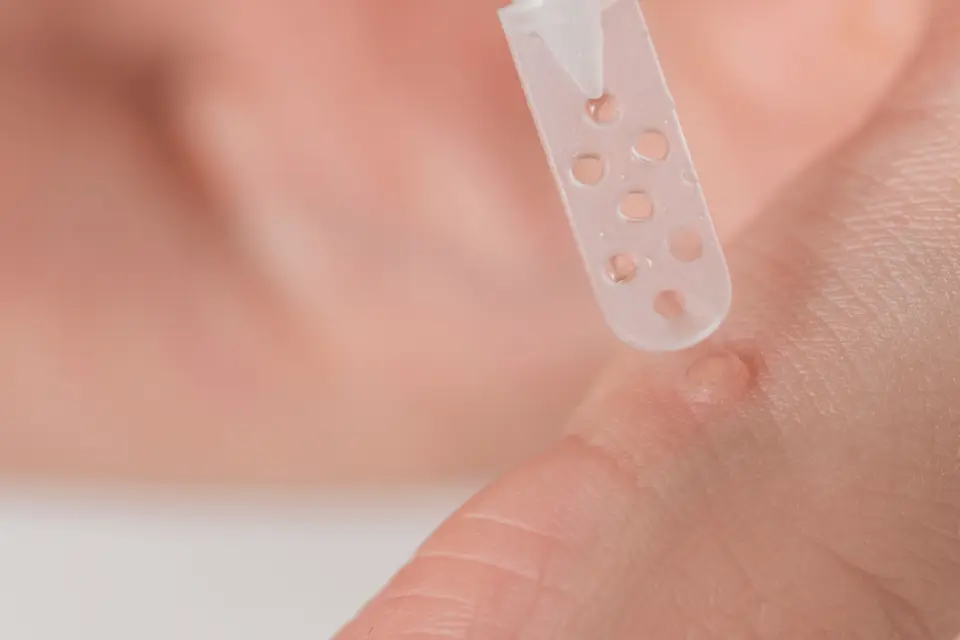
Since Mounjaro is administered via injection, one of the most frequent skin-related side effects occurs at the injection site. Patients may notice redness, swelling, itching, or mild pain where the medication is injected. These symptoms are usually temporary and tend to resolve within a few days.
Proper injection technique and rotating injection sites can minimize these reactions. If the irritation worsens or persists beyond a week, it is advisable to consult a healthcare provider to rule out infection or other complications.
Some patients may experience allergic reactions to Mounjaro, which can manifest as hives, rash, or generalized itching. These symptoms indicate that the immune system is reacting adversely to the medication. While mild allergic reactions can be managed with antihistamines or topical treatments, severe reactions require immediate medical attention.
Recognizing the signs of a serious allergic reaction, such as swelling of the face or difficulty breathing, is critical. In such cases, emergency care should be sought without delay.
Photosensitivity, or increased sensitivity to sunlight, is another potential issue for some patients on Mounjaro. This can lead to exaggerated sunburns or skin irritation when exposed to UV rays. Patients are advised to use sunscreen and protective clothing to reduce the risk of sun-related skin damage.
Skin reactions to Mounjaro can look different depending on what's causing them, so it helps to know the main types. Most reactions fall into one of three categories: injection site reactions, generalized allergic rashes, and sun-related skin changes.
Injection site reactions are by far the most common. The skin around the injection area may turn red, feel warm to the touch, or develop a small raised bump. These usually appear within hours of your injection and fade on their own within a few days. Rotating your injection site each week, using the abdomen, thigh, or upper arm in turns, can reduce how often this happens.
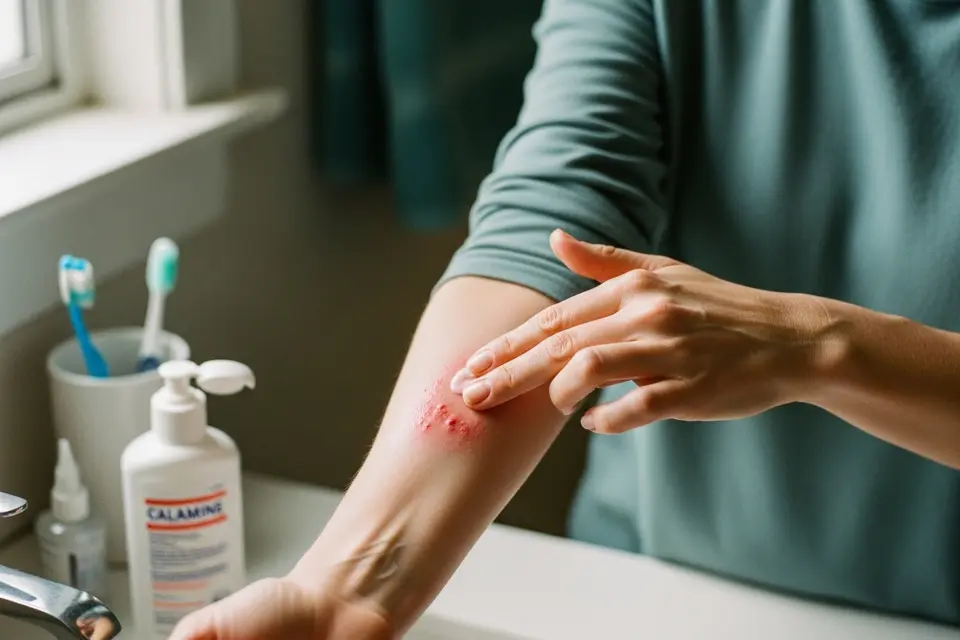
Generalized rashes that spread beyond the injection site are less common but worth watching. These may look like:
Mild cases often settle with an over-the-counter antihistamine like cetirizine (Zyrtec) or loratadine (Claritin). However, a rash accompanied by facial swelling, throat tightness, or difficulty breathing is a medical emergency. Stop the medication and call 911 or go to the nearest emergency room immediately.
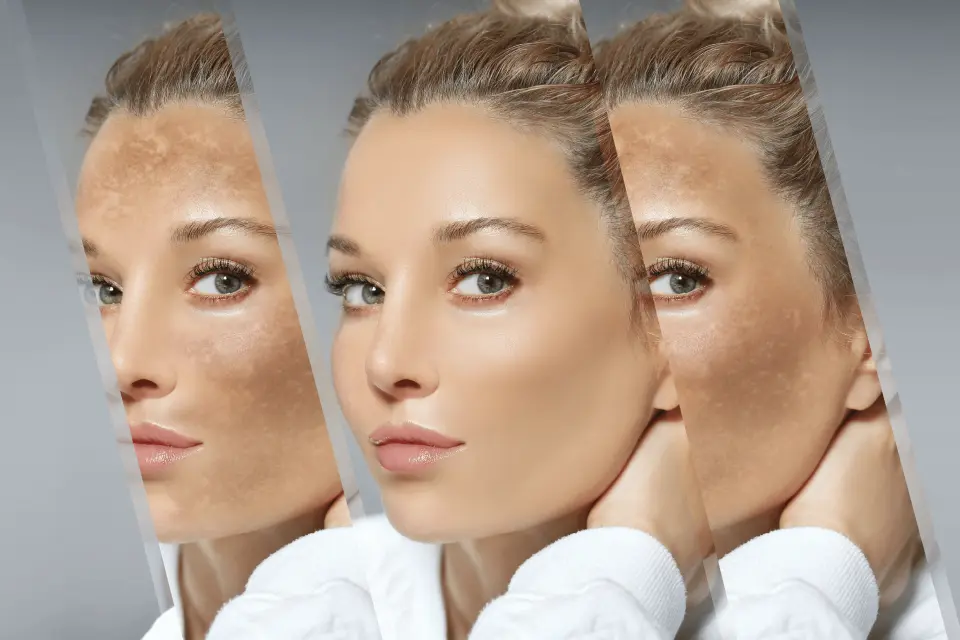
Sun-related skin changes are subtler. Some people on Mounjaro notice that their skin burns faster or more intensely than it used to. This is photosensitivity, and it means your skin is more reactive to UV light while you are taking the medication. It does not mean you need to avoid the sun entirely, but it does mean sun protection becomes non-negotiable.
Most injection site reactions do not need medical care. But reach out to a doctor if:
Our AI doctor can help you describe your symptoms, figure out whether what you are seeing sounds like a typical Mounjaro skin reaction or something that needs in-person evaluation, and walk you through next steps without a trip to the clinic.
Monitoring and Early Detection
Regular monitoring of skin changes during Mounjaro treatment is essential. Patients should keep an eye on any new or worsening skin symptoms and report them promptly to their healthcare provider. Early detection of skin sensitivity can prevent complications and improve treatment outcomes.
If skin irritation becomes severe, persistent, or is accompanied by other symptoms like fever or swelling, professional medical advice is necessary. Doctronic.ai offers an accessible and affordable way to get expert consultation without leaving home. Their AI-powered system provides quick, personalized responses and can connect patients with licensed doctors for video visits anytime, anywhere in the U.S.
To minimize skin sensitivity, patients should maintain good skin hygiene, avoid harsh soaps or chemicals, and moisturize regularly. Using gentle, fragrance-free products can help soothe irritated skin. Additionally, following the medication guidelines and injection instructions carefully reduces the chance of adverse skin reactions.
Access to timely medical advice is vital when dealing with medication side effects like skin sensitivity. Traditional healthcare visits can be time-consuming and costly, which may delay necessary care. Telehealth services, such as those offered by Doctronic.ai, revolutionize this experience by providing fast, reliable, and affordable care directly to patients.
Doctronic.ai combines advanced AI technology with human medical expertise to deliver comprehensive health answers and treatment recommendations. Their platform supports patients in understanding side effects, managing symptoms, and deciding when to seek in-person care. With over 10 million users and growing rapidly, it is becoming a trusted resource for primary care powered by AI.
Mounjaro users benefit from personalized care that considers their unique medical history and skin sensitivities. Unlike generic online health information, Doctronic.ai’s AI doctor remembers each patient’s previous visits and health details, ensuring tailored advice every time. This personalized approach helps patients feel supported and confident in managing their treatment journey.
By integrating the latest peer-reviewed medical research, Doctronic.ai ensures that users receive the most up-to-date and accurate information available. This is particularly important for medications like Mounjaro, where ongoing monitoring and adjustment may be necessary to optimize outcomes and minimize side effects.
Skin sensitivity issues can be distressing, but with the right knowledge and resources, patients can manage them effectively. Understanding the potential side effects of Mounjaro and knowing when to seek help empowers patients to take control of their health.
Doctronic.ai provides a valuable lifeline, offering expert medical advice at any time. This accessibility reduces anxiety, improves adherence to treatment, and ultimately leads to better health outcomes.
For anyone experiencing skin sensitivity or other side effects while using Mounjaro, consulting a healthcare professional is essential. Doctronic.ai offers a convenient, affordable, and reliable option for obtaining medical advice without the need for in-person visits. Whether you have questions about your symptoms, need treatment recommendations, or want a second opinion, their AI-powered platform and licensed doctors are ready to assist.
Visit Doctronic.ai today to experience primary care that is faster, smarter, and more personal. Your skin health and overall well-being are important, and expert support is just a click away.
Don't let skin sensitivity issues or other side effects from Mounjaro disrupt your life. With Doctronic, you get immediate, personalized medical advice from the #1 AI Doctor. Our platform offers free AI doctor visits, providing you with accurate diagnoses and treatment recommendations based on the latest medical research. And if you need more, our telehealth video visits connect you with real doctors 24/7, in all 50 states, for less than $40. Join over 10 million people who have experienced the smarter, faster, and more personal care that Doctronic provides. Skip the line. Talk to an AI Doctor Now, for free.
Injection site reactions like redness and swelling are among the most frequently reported Mounjaro side effects. Generalized rashes affecting areas beyond the injection site are less common. Most skin reactions are mild and resolve on their own within a few days without stopping the medication.
An allergic reaction to Mounjaro may appear as hives (raised, itchy welts), a blotchy red rash, or generalized itching across the body. Serious allergic reactions can also cause facial swelling, throat tightness, or breathing difficulty. These severe symptoms require emergency medical attention right away.
Some people on Mounjaro notice their skin burns more easily or reacts more strongly to sunlight than usual. This photosensitivity does not affect everyone, but it is a recognized side effect. Wearing broad-spectrum SPF 30 sunscreen daily and covering up during peak sun hours can protect your skin while you are on Mounjaro.
For mild injection site reactions, applying a cool compress and keeping the area clean is usually enough. For wider rashes or itching, an over-the-counter antihistamine like cetirizine or loratadine may help. Avoid harsh soaps and fragranced products on irritated skin, and let your doctor know if symptoms do not improve within a week.
Do not stop Mounjaro on your own without talking to a doctor first, unless you are experiencing a severe reaction like facial swelling or difficulty breathing, which requires emergency care. Mild rashes or injection site irritation usually do not require stopping the medication, but your doctor can help you decide the safest course of action.
Skin reactions on Mounjaro are usually mild and manageable. Injection site redness is the most common issue and often fades within days with good technique and site rotation. A wider rash, intense itching, or signs of sun sensitivity deserve attention but rarely mean you need to stop the medication. Pay close attention to red-flag symptoms like facial swelling or breathing trouble, which need emergency care. Our AI doctor can help you sort through what you are seeing and decide on your next step. This article is informational and is not a medical diagnosis. Confirm with a licensed clinician, especially for new, worsening, or high-risk symptoms.
Get skin care advice
Chat Now
Join 50,000+ readers using Doctronic to understand symptoms, medications,
and next steps.
Add your phone number below to get health updates and exclusive VIP offers.
By providing your phone number, you agree to receive SMS updates from Company. Message and data rates may apply. Reply “STOP” to opt-out anytime. Read our Privacy Policy and Terms of Service for more details.
Save your consults. Talk with licensed doctors and manage your health history.