Prozac (Generic Fluoxetine): Complete Medication Guide
Key Takeaways
Fluoxetine is an SSRI antidepressant that helps treat depression, anxiety, OCD, and other conditions by balancing brain chemicals called serotonin.
Common side effects may include nausea, sleep changes, and headaches, which often improve over time.
It takes 4–6 weeks to notice full benefits, so patience is important during early treatment.
Never stop taking fluoxetine without talking to your doctor, as stopping suddenly can cause withdrawal symptoms.
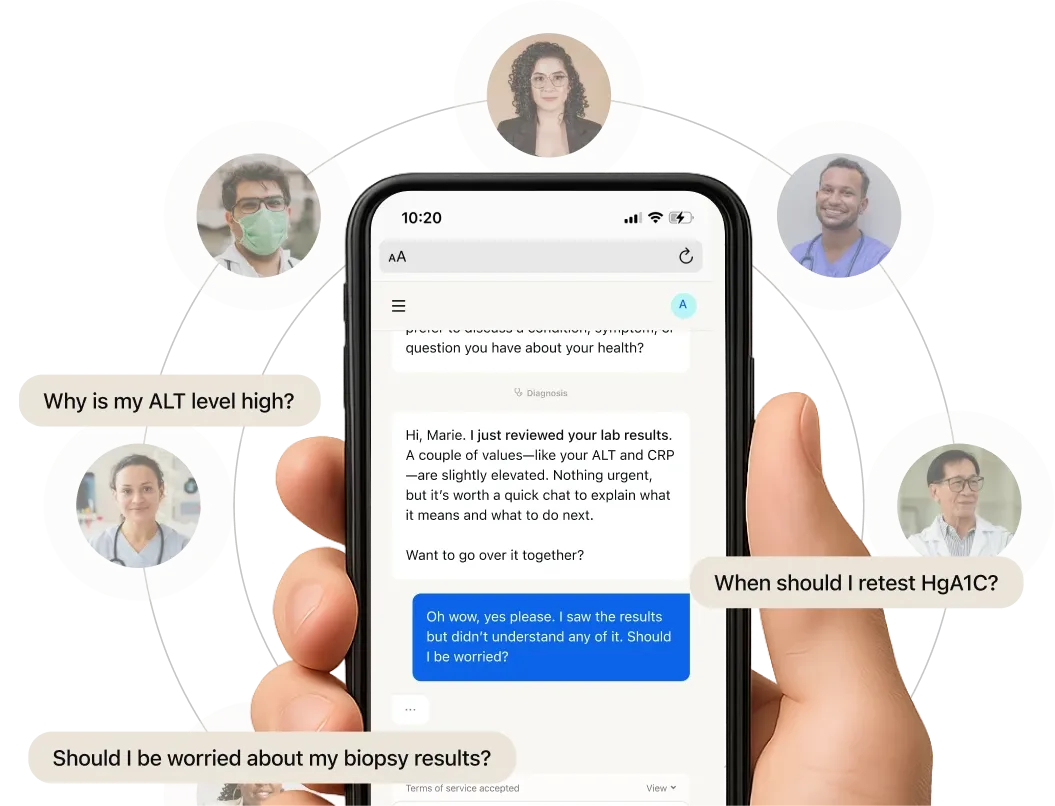
Doctronic offers 24/7 access to AI-guided medical advice and licensed doctors via video or text, with most consultations answered in 4 minutes.
Prozac (Generic Fluoxetine) Overview
Fluoxetine, commonly known by the brand name Prozac, is an antidepressant medication belonging to a class of drugs called selective serotonin reuptake inhibitors (SSRIs). It works by increasing levels of serotonin—a chemical messenger in the brain that affects mood, emotions, and behavior. When serotonin is imbalanced, it can contribute to depression, anxiety, and other mood disorders.
Doctors prescribe fluoxetine to treat major depressive disorder, generalized anxiety disorder, obsessive-compulsive disorder (OCD), panic disorder, and bulimia nervosa. Some patients also use it for other off-label purposes as recommended by their clinician. The medication doesn't cure these conditions but helps manage symptoms by restoring chemical balance in the brain, allowing people to feel more like themselves and function better in daily life.
Unlike some older antidepressants, fluoxetine generally has fewer side effects and is safer in overdose. As the first SSRI approved by the FDA, it has decades of safe use and extensive research supporting its effectiveness. Many people find that combining fluoxetine with therapy or counseling produces the best results. This information is educational and does not replace advice from your healthcare provider.
Side Effects
Fluoxetine is generally well-tolerated, but like all medications, it can cause side effects. Most side effects are mild and tend to decrease as your body adjusts over the first few weeks of treatment. It's important to report persistent or bothersome side effects to your doctor—they may adjust your dose or suggest ways to manage symptoms.
Common Side Effects
Nausea – Often mild and temporary; can be reduced by taking the medication with food.
Sleep disturbances – May include insomnia or drowsiness; usually resolves within 2–3 weeks.
Headache – Typically mild and manageable with over-the-counter pain relievers if needed.
Dry mouth – Can be managed by staying hydrated and using sugar-free lozenges.
Decreased sexual interest or difficulty – Occurs in some patients; discuss with your doctor if concerning.
Appetite changes – Some people eat more, others less; weight changes are usually small.
Serious Side Effects
Serotonin syndrome – Rare but serious; occurs when too much serotonin builds up, causing confusion, rapid heartbeat, high blood pressure, and muscle rigidity.
Severe allergic reactions – Rash, hives, difficulty breathing, or swelling of face or throat require immediate medical attention.
Abnormal bleeding or bruising – Fluoxetine may increase bleeding risk, especially when combined with blood thinners.
Manic episodes – In people with bipolar disorder, fluoxetine may trigger periods of extreme high mood or irritability.
Suicidal thoughts – Particularly in young adults under age 25 during the first weeks of treatment; requires close monitoring.
When to Seek Medical Attention
Contact your doctor immediately if you experience severe headaches, chest pain, rapid or irregular heartbeat, difficulty breathing, or signs of an allergic reaction. Also seek help if you notice increased thoughts of suicide or self-harm, especially in the first few weeks of treatment or after a dose change.
If you develop confusion, agitation, high fever, muscle stiffness, or severe tremors, go to an emergency room—these may be signs of serotonin syndrome. For other concerns, schedule a call with your healthcare provider or use Doctronic's 24/7 AI consultation service to get answers quickly.
Dosage
Dose Level |
Standard Dose |
Range |
Key Details |
Starting dose (depression, anxiety) |
20 mg once daily |
10–20 mg |
Taken every morning; may increase after 4–6 weeks |
Maintenance dose |
20–40 mg daily |
20–60 mg |
Most people benefit from doses in this range |
Higher doses |
40–80 mg daily |
Up to 80 mg |
Used for OCD or when lower doses don't help |
Elderly or sensitive patients |
10 mg once daily |
10–20 mg |
Lower starting dose with slower increases |
Delayed-release capsule |
90 mg once weekly |
— |
Taken once per week; same total weekly dose as daily |
Important: If you miss a dose, take it as soon as you remember. However, if it's almost time for your next dose, skip the missed dose and continue with your regular schedule. Never double up on doses to make up for a missed one. Do not stop taking fluoxetine suddenly without consulting your doctor, as abrupt discontinuation can cause withdrawal symptoms like dizziness, tingling, or mood changes. Your doctor will help you gradually reduce the dose if it's time to stop.
Drug Interactions
Fluoxetine can interact with other medications and supplements, potentially increasing side effects or reducing effectiveness. Always tell your doctor and pharmacist about all medications, vitamins, and herbal products you take. Some interactions may require dose adjustments or careful monitoring.
Monoamine Oxidase Inhibitors (MAOIs)
This combination is dangerous and can cause serotonin syndrome, a serious condition marked by confusion, rapid heartbeat, and muscle rigidity. Allow at least 14 days between stopping fluoxetine and starting an MAOI, and vice versa.
Blood Thinners and NSAIDs
Fluoxetine may increase the risk of bleeding when combined with warfarin, aspirin, or ibuprofen. Your doctor may recommend monitoring or dose adjustments if you need these medications together.
Tramadol and Other Opioids
These pain medications combined with fluoxetine raise the risk of serotonin syndrome. Lower doses or alternative pain management may be needed.
St. John's Wort
This herbal supplement also increases serotonin levels and can cause serotonin syndrome when mixed with fluoxetine. Avoid this combination unless your doctor approves.
Certain Heart and Blood Pressure Medications
Some drugs in this category may have increased side effects when combined with fluoxetine. Your doctor will monitor you if you take both.
Continue Learning
Related articles you might find helpful


Pros and Cons
Pros
Proven effectiveness – Decades of research confirm fluoxetine's ability to reduce depression, anxiety, and OCD symptoms in most patients.
Better side effect profile – Compared to older antidepressants, SSRIs like fluoxetine cause fewer problematic side effects and are safer in overdose.
Once-daily dosing – Simple to remember and take; improves medication adherence.
Long half-life – Fluoxetine stays in the body longer, so missing one dose is less likely to cause problems.
Affordable generic option – Generic fluoxetine costs much less than brand-name Prozac, making it accessible to more people.
Cons
Delayed benefits – It takes 4–6 weeks (sometimes longer) to feel full effects, requiring patience early on.
Sexual side effects – Some patients experience decreased libido or difficulty with sexual function.
Weight changes – Some people gain or lose weight, though changes are usually modest.
Sleep disturbances – Insomnia or drowsiness may occur, especially at the start of treatment.
Withdrawal symptoms – Stopping suddenly or tapering too quickly can cause dizziness, tingling, or mood changes.
Frequently Asked Questions
Get answers to common questions about Prozac (generic fluoxetine).
Most people begin noticing improvements in 2–4 weeks, but full benefits often take 6–8 weeks or longer. This is normal and doesn't mean the medication isn't working. Patience is key during early treatment. Your doctor may adjust your dose if you don't feel improvement after 4–6 weeks.
It's best to avoid alcohol or limit it to one or two drinks per occasion. Alcohol can increase drowsiness, dizziness, and impaired judgment when combined with fluoxetine. It may also worsen depression and anxiety. Talk to your doctor about what's safe for you.
Take the missed dose as soon as you remember, unless it's almost time for your next dose—then skip it and resume your regular schedule. Never double up to make up for a missed dose. If you frequently forget, consider using a pill organizer or phone reminder.
Weight changes are possible but usually modest. Some people lose weight, while others gain a few pounds. Regular exercise and a balanced diet can help manage weight. If weight gain concerns you, discuss it with your doctor—they may suggest dose adjustments or complementary strategies.
No. Never stop fluoxetine suddenly without talking to your doctor first. Abrupt discontinuation can cause withdrawal symptoms like dizziness, tingling sensations, mood swings, and brain "zaps." Your doctor will create a gradual tapering plan if it's time to stop, typically reducing your dose over weeks or months.
The Bottom Line
Fluoxetine (Prozac) is a well-established, safe, and effective antidepressant that helps millions of people manage depression, anxiety, OCD, and other mood disorders. While it takes patience to see full benefits and may cause some initial side effects, most people find these improvements manageable and well worth the outcome. Generic fluoxetine is affordable and accessible, making quality mental health treatment possible for more people. If you're considering starting this medication or have questions about your current dose, a healthcare provider can help you determine if it's right for you and monitor your progress.
Ready to take control of your health? Get started with Doctronic today. As the first AI legally authorized to practice medicine and with over 22 million consultations completed, Doctronic offers 24/7 access to personalized medical guidance. Whether you need a quick AI consultation or want to speak with a licensed doctor via video or text, you'll get answers in about 4 minutes—all HIPAA compliant and anonymous by default. Free AI consults, or affordable visits at $39 for video and $19 for text. Your mental health care is just a click away.