Plavix (Generic Clopidogrel): Complete Medication Guide
Key Takeaways
Clopidogrel is a blood thinner that prevents blood clots after heart attacks, strokes, or stent placement
It works by blocking platelets from sticking together, reducing the risk of serious cardiovascular events
Common side effects include bruising and bleeding; serious risks require immediate medical attention
Generic vs Brand Name Drugs are equally effective, and clopidogrel offers significant cost savings
Never stop taking clopidogrel without talking to your doctor, as this can increase clot risk
Plavix (Generic Clopidogrel) Overview
Clopidogrel is a medication belonging to a class of drugs called antiplatelet agents, commonly known as blood thinners. It's the generic version of the brand-name drug Plavix and works by preventing blood platelets from clumping together to form dangerous clots. This mechanism makes it particularly valuable for people at high risk of heart attack or stroke.
Clopidogrel is prescribed after acute coronary syndrome (heart attack), stroke, or following coronary stent placement—a procedure that opens blocked arteries in the heart. By keeping blood flowing smoothly, clopidogrel significantly reduces the risk of another cardiovascular event. The generic form is just as effective as the brand-name version, making it an excellent cost-effective alternative to brand-name drugs that can help you manage your condition while saving money on prescription costs.
Many patients benefit from understanding that generic vs brand-name drugs contain the same active ingredient and undergo rigorous FDA testing to ensure quality and safety. If cost is a concern, you can also explore save money on generic drugs for high blood pressure and cholesterol at walmart to find affordable options in your area.
This information is educational and does not replace advice from your healthcare provider.
Side Effects
Clopidogrel is generally well tolerated, but like all medications, it can cause side effects. Most people experience only minor symptoms, while serious side effects are less common but require immediate attention.
Common Side Effects
Bruising: Easy bruising or bruising with minor bumps is common due to the blood-thinning effect
Minor bleeding: Small cuts may bleed slightly longer than usual; apply gentle pressure to stop bleeding
Headache: Mild to moderate headaches may occur in some patients taking clopidogrel
Diarrhea: Gastrointestinal discomfort and loose stools can happen, usually mild and temporary
Rash: A mild skin rash may develop; it's typically not serious but should be monitored
Indigestion: Stomach upset or acid reflux may occur, especially if taken on an empty stomach
Serious Side Effects
Severe bleeding: Uncontrolled bleeding, blood in urine, or bloody stools require immediate medical attention
Thrombotic thrombocytopenic purpura (TTP): A rare but life-threatening condition causing blood clots and low platelet counts
Neutropenia: Dangerously low white blood cell counts, increasing infection risk and requiring urgent care
Allergic reactions: Swelling of the face, lips, or tongue, or difficulty breathing demands emergency intervention
Jaundice: Yellowing of the skin or eyes may indicate liver problems and requires prompt evaluation
When to Seek Medical Attention
Contact your healthcare provider immediately if you experience severe bleeding, such as vomiting blood, black or bloody stools, severe headaches, or signs of an allergic reaction like swelling or difficulty breathing. Additionally, if you develop signs of infection like fever and sore throat, or notice yellowing of your skin or eyes, seek medical help right away.
Don't wait to call your doctor if you have questions about your symptoms or side effects. Your healthcare team can determine whether your symptoms are manageable or require dose adjustment or medication change. Early communication prevents complications and keeps you safe on your treatment plan.
Dosage
Dose Level or Form |
Typical Dose |
Key Detail |
Loading Dose |
300–600 mg (single dose) |
Given immediately after acute coronary syndrome or stent placement to rapidly prevent clots |
Maintenance Dose |
75 mg once daily |
Standard long-term dose taken every day, with or without food |
Alternative Loading Dose |
600 mg (single dose) |
May be used for faster platelet inhibition in urgent situations |
Typical Duration |
12 months |
Treatment length varies; some patients take it longer depending on cardiovascular risk |
Important: Never miss a dose without consulting your doctor, as gaps in treatment increase clot risk. If you forget a dose, take it as soon as you remember unless it's almost time for your next dose—then skip the missed dose. Do not stop taking clopidogrel abruptly without discussing it with your healthcare provider, as stopping suddenly can cause serious blood clots.
Drug Interactions
Clopidogrel can interact with several medications and substances. These interactions may reduce clopidogrel's effectiveness or increase bleeding risk. Always inform your doctor about all medications, supplements, and over-the-counter drugs you're taking.
Proton Pump Inhibitors (PPIs)
Medications like omeprazole used to reduce stomach acid can significantly decrease clopidogrel's effectiveness by interfering with how your body metabolizes the drug. Your doctor may recommend an alternative acid-reducing medication or adjust your dosing schedule to maintain clopidogrel's protective benefits.
Nonsteroidal Anti-Inflammatory Drugs (NSAIDs)
Taking NSAIDs like ibuprofen or naproxen alongside clopidogrel increases bleeding risk, particularly in the stomach and intestines. If you need pain relief, discuss safer alternatives like acetaminophen with your healthcare provider rather than self-treating with over-the-counter NSAIDs.
Warfarin and Other Anticoagulants
Combining clopidogrel with other blood thinners like warfarin significantly increases bleeding risk without additional clot prevention benefits. This combination is generally avoided unless specifically recommended by your cardiologist for particular high-risk situations requiring careful monitoring.
Aspirin
Low-dose aspirin is often safely combined with clopidogrel for enhanced clot prevention after certain heart events, but higher-dose aspirin increases bleeding risk. Your doctor will determine the appropriate aspirin dose, if any, to take with clopidogrel based on your specific cardiovascular condition.
Selective Serotonin Reuptake Inhibitors (SSRIs)
Antidepressant medications like sertraline or paroxetine can increase bleeding risk when taken with clopidogrel, though the risk is generally mild. Inform your doctor if you need both medications; they may monitor you more closely or suggest dose adjustments.
Herbal Supplements
Garlic, ginkgo biloba, and other herbal supplements with blood-thinning properties can increase clopidogrel's effects and bleeding risk. Always discuss herbal and natural products with your healthcare provider before starting them while on clopidogrel.
Continue Learning
Related articles you might find helpful


Pros and Cons
Pros
Proven clot prevention: Effectively reduces risk of heart attack and stroke after cardiac events and stent placement
Generic availability: Generic vs. Brand-Name Drugs are equally effective, making clopidogrel more affordable than brand-name Plavix
Once-daily dosing: Simple medication schedule improves adherence and fits easily into daily routines
Long safety record: Decades of use in millions of patients provide extensive data on safety and effectiveness
No need for monitoring blood tests: Unlike some anticoagulants, clopidogrel doesn't require regular lab work to track efficacy
Cons
Increased bleeding risk: Higher risk of bruising, nosebleeds, and serious internal bleeding requires careful monitoring
Food and drug interactions: Certain medications and supplements reduce effectiveness or increase side effects, limiting flexibility
Requires consistent adherence: Missing doses significantly increases clot risk; it must be taken every single day
Permanent platelet effects: Takes 5–7 days after stopping for platelet function to fully normalize, complicating emergency surgery
Individual variability: Some people don't respond adequately to standard doses, requiring dose adjustments or medication changes
Frequently Asked Questions
Get answers to common questions about Plavix (generic clopidogrel).
Duration depends on why you're taking it. After a heart attack, most patients take it for at least 12 months combined with aspirin. After stent placement, duration varies from one month to indefinitely, depending on stent type and bleeding risk. Your cardiologist will determine your specific timeline. Never stop early without their approval, as premature discontinuation significantly increases clot risk.
Moderate alcohol consumption is generally safe with clopidogrel, but heavy drinking increases bleeding risk substantially. Alcohol can thin your blood and interfere with platelet function, compounding clopidogrel's effects. Discuss your alcohol use with your doctor, especially if you have liver disease or take other medications affecting bleeding risk.
Take the missed dose as soon as you remember unless it's nearly time for your next scheduled dose. Never double up on doses to make up for a missed one, as this increases overdose and bleeding risk. Consistent daily dosing is important for maintaining clot prevention, so set reminders or use a pill organizer to stay on track.
Clopidogrel increases surgical bleeding risk, so inform all healthcare providers including surgeons and dentists. Some procedures may proceed with clopidogrel on board with additional precautions, while others require temporarily stopping it. Your doctor will coordinate timing—typically stopping 5 days before elective surgery but restarting as soon as safely possible afterward.
Dual antiplatelet therapy using both clopidogrel and low-dose aspirin provides superior clot prevention after certain heart attacks and stent placements compared to either drug alone. This combination is especially important in the first year after acute coronary syndrome. Your doctor prescribes this combination based on your specific cardiovascular condition and risk factors.
The Bottom Line
Clopidogrel (Plavix) is a proven, cost-effective antiplatelet medication that significantly reduces heart attack and stroke risk after cardiac events or stent placement. Understanding its side effects, proper dosing, and interaction risks helps you take it safely and effectively. While increased bleeding is a concern, proper monitoring and open communication with your healthcare team manage this risk well. The generic form delivers identical results to brand-name Plavix at a fraction of the cost, making cardiac protection more affordable. If you've been prescribed clopidogrel, take it exactly as directed, never stop without doctor approval, and report any concerning symptoms immediately.
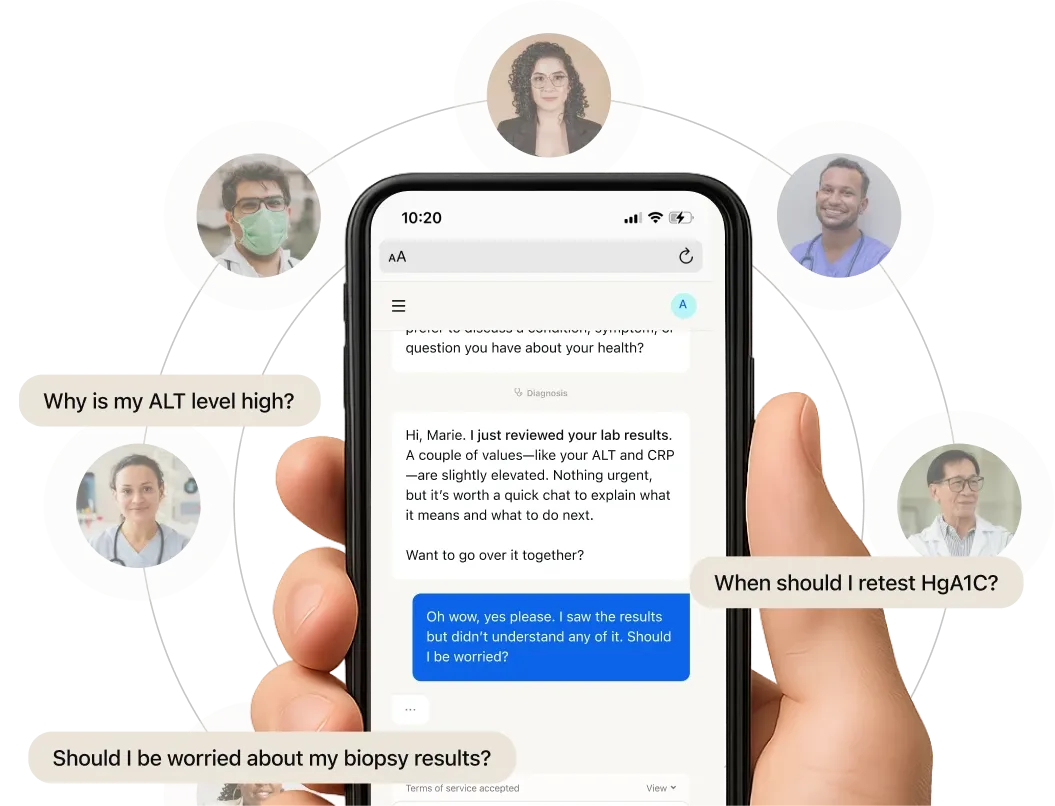
Ready to take control of your cardiovascular health? Doctronic, the first AI legally authorized to practice medicine, can help you understand your medications and get expert guidance 24/7. With 22 million consultations and 99.2% treatment alignment with physicians, Doctronic offers free AI consultations plus $19 text visits and $39 video visits with a 4-minute average wait time—HIPAA compliant and anonymous by default.